


Learn How to Take the First Step Towards Becoming a Landlord

Becoming a landlord can be a rewarding experience, but it is essential to understand the responsibilities that come with this role before taking the plunge. Taking the first step towards becoming a landlord requires careful planning and research, and the process can seem daunting at times. However, armed with the right knowledge and resources, you can begin your journey as a landlord in no time! This article provides an overview of what steps you should take when starting out as a landlord.
1) Research Your Local Market
The first step towards becoming a landlord is understanding your local real estate market. Knowing your market will help you determine which property types are popular, how much rent to charge for each type of property, average prices for property repairs and maintenance services, and much more.
Researching the local real estate market will also help you understand what tenants are looking for in rental properties so that you can ensure your property is attractive to potential tenants.
2) Create a Business Plan
Creating a business plan is essential when launching your landlord venture. A business plan should include information such as the type of properties you plan to acquire, your marketing strategy, the initial investment required to get started, projected costs of maintenance and repairs, expected monthly income from rents, etc. Having a comprehensive business plan in place will help guide your decisions as you move forward with becoming a landlord.
3) Find Financing Options
Financing is an important part of becoming a landlord. For example, you may need financing to purchase a property or to cover costs associated with renovations and repairs. There are several financing options available, including bank loans, government grants, and private investors. Research the various options available and choose the one that best fits your needs.
4) Grow Your Property Portfolio
Once you have established yourself as a landlord and acquired your first property, the next step is to grow your portfolio of rental properties. If you are interested in hmo investment (house of multiple occupancies), consider buying multi-unit buildings so that you can rent out individual units separately.
Investing in hmo properties allows you to maximize income potential while minimizing risk by diversifying your investments into different types of properties.
5) Find Reliable Property Managers
Finally, it is essential to find reliable property managers who can handle day-to-day operations. Property managers are responsible for finding and screening tenants, collecting rent payments, dealing with maintenance and repair issues, and more. Having a good team of property managers will enable you to have peace of mind knowing that your investments are being handled properly.
By following these steps, you can take the first step towards becoming a landlord. Researching the local market, creating a business plan, obtaining financing, growing your portfolio of properties, and finding reliable property managers should all be part of your journey towards becoming a successful landlord. With the right knowledge in hand and some dedication to your new venture, you can be on your way to a prosperous real estate career!

You May Also Enjoy
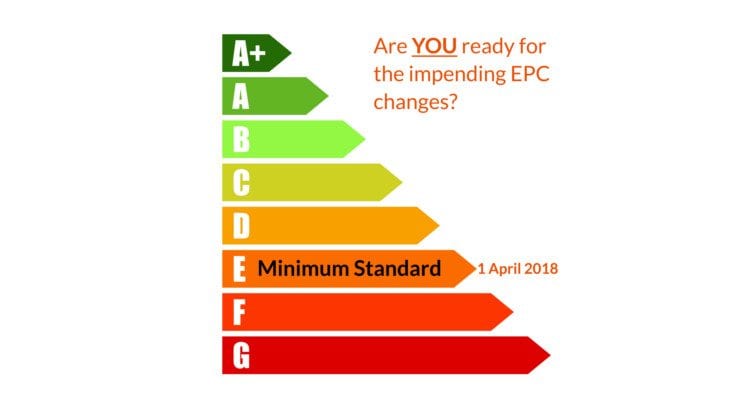
Landlords shouldn’t wait until the deadline to tackle EPC improvements

Christmas rental voids jumps by almost 40%

UK property transactions forecast to fall 4.4% in 2026

London renters paying £1,000 more a year in rent

UK Inflation Hits 3.6%: What Rising Prices Mean for House Prices