


How to Protect Your Property from Flooding and Water Damage
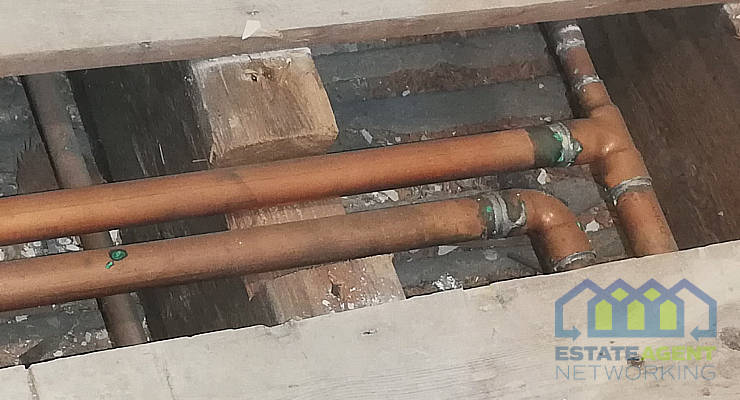
Flooding and water leaks can cause significant damage to your home or office. However, many issues can be prevented by taking proactive measures to protect your property. In this article, we’ll explain how to minimize risks and prepare for potential water-related threats.
1. Inspect and Maintain Your Plumbing System
One of the most common causes of water leaks is plumbing system malfunctions. Regular maintenance helps identify and fix problems before they escalate, and when you see an element is at risk of failing, it’s best to air on the side of caution and visit a plumbing supply store or look online to buy the needed parts.
Routine Inspections Are Key
Start by visually inspecting the pipes that are accessible in your home. You don’t need to be an expert to spot potential problems: rust stains, water droplets on pipes, or condensation around joints are clear signs that something might be wrong. Even a minor issue can turn into a major problem if left unaddressed.
If you’ve lived in your home for years, think about when your pipes were last replaced. Old metal pipes are ticking time bombs. Over time, they are prone to corrosion and cracking. If your pipes are decades old, consider replacing them with modern materials such as plastic or polypropylene. This not only reduces the risk of leaks but also eliminates the element of surprise in the future.
Pay Attention to Faucets and Appliances
A dripping faucet isn’t just an annoying sound—it’s a potential red flag that something in the system isn’t working as it should. Regularly check all connections, including those for dishwashers, washing machines, and water heaters. Leaks often start in these areas and go unnoticed until it’s too late.
Protect Drains from Clogs
Leaks are often caused not by pipes but by blockages. Hair, grease, and food scraps slowly but surely clog drains, turning them into hazards. Use strainers for sinks and bathtubs to keep debris out of your plumbing. And if a drain starts to work more slowly, don’t delay cleaning it.
Prevention Beats Repairs
If something seems suspicious, don’t wait for it to become a problem. Calling a professional to inspect your system isn’t an expense—it’s an investment in peace of mind. Water is a tricky adversary, easily finding its way through even the smallest cracks, and its consequences can be severe. Regular maintenance, like visiting the dentist, might feel routine, but it will ultimately save you from pain and unnecessary costs.
2. Install Protective Devices: Technology to the Rescue
Modern technology isn’t just about “smart gadgets” for convenience—it’s becoming a reliable ally in protecting your home from water damage. Even a small leak can turn into a big problem if it goes unnoticed.
Water Leak Detectors: Your “Eyes and Ears”
Imagine having a device in your home that immediately alerts you to even the smallest leak. That’s exactly how water leak detectors work. These devices activate when they come into contact with moisture and send out an alarm—whether it’s a sound, a light, or even a notification to your smartphone.
They’re particularly useful in places where leaks are hard to spot right away, like under sinks or behind washing machines and water heaters. Installing them in strategic locations can significantly reduce the risk of serious damage.
Automatic Water Shut-Off Valves: Your “Insurance”
While detectors are great for alerts, what if you’re not at home or don’t hear the signal? Automatic water shut-off valves can save the day. These devices connect to your plumbing system and automatically cut off the water supply as soon as a leak is detected.
This solution is ideal for those who travel frequently or simply want peace of mind knowing their home is protected, even in their absence.
Sump Pumps: Protection for Basements and Ground Floors
If you live in a house or an area prone to flooding, a sump pump is an essential device. Its job is to quickly pump out excess water from basements or other areas in case of flooding.
Modern pumps operate almost silently and activate automatically when water reaches a certain level. This is especially important if you want to prevent foundation damage or persistent dampness in your home.
Invest in Smart Home Systems
Smart home systems allow you to integrate all your protective devices into one ecosystem. You can manage them through a smartphone app, monitor problems in real-time, and respond even faster.
Why Take Action Now?
Purchasing and installing protective devices isn’t an expense—it’s a wise investment. A small leak can lead to major repair costs for floors, walls, and furniture, not to mention the potential loss of valuable possessions.
Technology exists to make our lives easier and safer. Don’t delay their installation—these tools not only prevent damage but also provide peace of mind knowing your home is under reliable protection.
3. Ensure Insurance Coverage: Be Prepared for the Unexpected
No matter how well you prepare your home for water damage, the risk of flooding or leaks can never be completely eliminated. Water is unpredictable: a sudden downpour, a burst pipe, or an overflowing sewer can cause damage that’s hard to foresee. This is why property insurance isn’t a luxury—it’s a necessity.
Review Your Current Insurance Policy
If you already have home insurance, carefully review the terms of your policy. Standard policies often cover only specific types of damage and may not include flooding, especially if it’s caused by natural disasters.
Ask your insurance company:
• Does the policy cover flood damage or only internal leaks?
• Does coverage extend to your basement or ground floor?
• Are restoration costs for furniture, appliances, and personal items included?
Additional Flood Insurance
If you live in an area prone to flooding, be sure to purchase additional flood insurance. This policy protects your home in case water enters due to natural disasters, such as heavy rains, rising rivers, or melting snow.
Pay attention to the details: it’s important to understand what types of damage are covered and what exclusions may apply. For example, some policies don’t include hurricanes or long-term water damage like mold.
Document Your Property
To expedite compensation in the event of a claim, prepare everything in advance:
• Create photo and video records of your property. This is especially important for valuable items like electronics, furniture, or artwork.
• Make an inventory of your belongings with estimated values. Include receipts or other proof of purchase if available.
• Update this information regularly, especially after major purchases or renovations.
Understand Limits and Deductibles
Every insurance policy has coverage limits and a deductible—the amount you pay out-of-pocket. Make sure the coverage limits are sufficient to cover potential damage, and that the deductible fits your budget. Sometimes it’s worth paying slightly more for a policy to avoid larger expenses later.
Why Insurance Is a Necessity, Not an Option
The cost of repairing flood damage can be enormous, especially if the foundation, walls, or expensive furniture are affected. An insurance policy gives you the confidence that even in an unexpected event, you won’t be left to face financial challenges alone.
Home insurance acts as your financial safety net, allowing you to restore your home quickly and avoid debt. It won’t prevent a flood but will help you deal with its consequences without unnecessary losses. Your home is your fortress, and insurance is another brick in its protection.
Conclusion
Protecting your property from floods and leaks requires some effort, but it’s a small price to pay for the peace of mind it brings. With regular maintenance, smart technology, and a bit of preparation, you can minimize the risks and make recovery much smoother if something does go wrong. And if you ever experience water damage, don’t hesitate — restoration professionals are ready to help get your home back to normal quickly and efficiently.

You May Also Enjoy

Rightmove Sends the Enquiry. The Branch That Rings First Books the Viewing
Residential projects remain under pressure

Homebuyers hold tight ahead of Autumn Budget

House price growth accelerates in Q2

House prices hold steady despite impact of higher interest rates
