Why Real Estate Pros Should Care About the RoHS Directive in Smart Home Tech
Some of the tasks that real estate pros perform nowadays include negotiating and posting, and checking houses on property listings. You also have to deal with buyers who expect “smart-everything,” landlords who want long-term reliability, and tenants who care about safety and sustainability. In the middle of these expectations, there’s rohs directive. Why should you care about this regulation? Read on to find out.
Smart Home Devices Are on the Rise
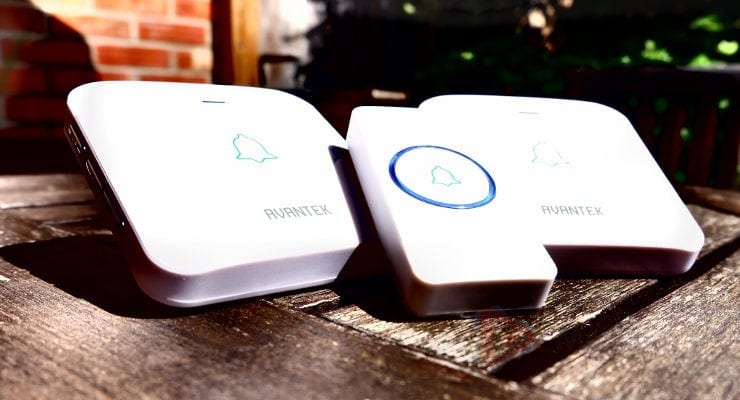
These days, you don’t need a luxury listing to see smart home gadgets everywhere. You know how it is: buyers walk into a viewing and immediately ask about smart thermostats, automated lights, integrated cameras, or security systems that they can check on their phones. The bar keeps rising, and you’re expected to keep up. The quality of these components can directly affect your deals, credibility, and client satisfaction.
So where does the RoHS guideline fit into all of this? It ensures that smart home devices limit harmful substances like lead, cadmium, and mercury. These materials pose environmental concerns and may also contribute to product failures over time. When you’re recommending or showcasing homes with smart tech, knowing the devices adhere to RoHS can help you ensure clients are getting something durable and safe.
RoHS Compliance Can Help Reduce Liability Risks
The real estate world has enough legal worries. You’re probably already dealing with disclosure forms, safety concerns, and inspections that seem to get stricter every year. The last thing you need is another layer of liability sneaking up on you through the tech products inside a property.
But here’s an uncomfortable reality: non-compliant electronics can pose hazards. If a device contains substances known to cause long-term health issues or environmental damage, and something goes wrong, questions could come your way, especially if you highlighted the property’s tech features as a selling point.
When you know the smart devices in a property meet these safety standards, you can speak confidently about them. You can answer questions without tiptoeing around possible concerns about toxic components. And you can reduce the chances that a buyer circles back months later with a story about a faulty device that had unsafe materials.
Sustainability Sells, And RoHS Helps You Tell That Story
You’ve probably noticed how often sustainability pops up during conversations with buyers and renters. People care, sometimes a lot, about the footprint their home leaves behind. They look at energy efficiency, material sourcing, and long-term environmental impact. Smart home tech plays a big role in that narrative.
The RoHS Directive supports eco-friendliness by pushing manufacturers to reduce hazardous substances that harm the environment when electronics are produced and disposed of. It might not be the flashiest selling point, but it’s one more layer of sustainability you can highlight when clients are comparing homes. And with more people paying attention to green living, it’s something that can make your pitch sound more complete.
The Bottom Line
The RoHS Directive might not be the trendiest topic in real estate conversations, but it’s becoming increasingly relevant as smart home tech spreads into every corner of the industry. When you understand how these standards impact safety, sustainability, reliability, and overall value, you’ll position yourself as a forward-thinking professional who sees the whole picture. And in a world where buyers, renters, and investors are more informed than ever, such kind of insight can be powerful.
You May Also Enjoy

Seven things to do if a tree damages your property
Leasing demand rises across all sectors
Don’t Put The Property Market On Pause
Before You Sign: 10 Things Home Movers Wish They Knew

Property expert warns homeowners to lock in amid mortgage rates uncertainty