Landlords still reluctant to go pet-friendly
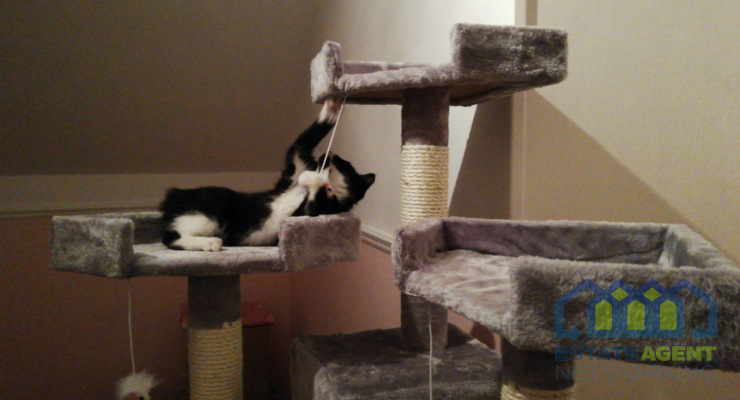
New analysis from Inventory Base, a leading provider of inspection and compliance technology, reveals that despite the incoming Renters’ Rights Act introducing significant changes around the rights tenants have to keep a pet in their home, there has still only been a marginal increase in the number of pet-friendly rental listings.
Inventory Base’s analysis of current rental listings data* shows that an estimated 8.2% of properties in England are advertised as being pet-friendly. This marks an annual increase of just 0.6% compared to January 2025.
The North East is home to the most pet-friendly listings in the current market with the proportion standing at 11.5%. The region has also seen the biggest annual increase of 2.6%.
In the South West, pets are explicitly welcome in 9.1% of all listings, while the other regions that have an above-average proportion of pet-friendly listings are London (8.8%), the South East (8.6%), and North West (8.5%).
Meanwhile, the least pet-friendly region of England is the East Midlands, where landlords are welcoming furry friends in just 5.6% of listings. This marks an annual decrease of -0.5%, making the East Midlands the only region where pet-friendly listings are on the decline.
What does the RRA mean for pet ownership?
From 1st May, private rented tenants will have a legal right to ask their landlord’s permission to keep a pet. This will be an implied term in all private tenancy agreements, meaning it applies even if the contract doesn’t currently mention pets.
Landlords won’t be able to refuse every request automatically or simply because they don’t like animals, so any refusal must be reasonable and justified with a proper written response. This may include situations where the property is too small to accommodate a large pet, or if another tenant is allergic to the proposed animal.
The tenant’s request must also be made in writing, including a description of the animal in question, and landlords will have 28 days to formally respond.
And due to a ban on Section 21 evictions, it is also going to be harder for landlords to evict tenants even when they are found to be keeping a pet without the required permission. This is because landlords will have to provide solid proof that a pet has been kept in the home, which could be easier said than done.
If a pet has caused damage to a property, the landlord might be able to use grounds 13 or 15 to force an eviction (these grounds cover where there has been deterioration in the property and/or its furniture).
Vitally, landlords will not be allowed to charge extra rent or fees specifically for having a pet.
Sián Hemming-Metcalfe, Operations Director at Inventory Base says:
“Despite the Renters’ Rights Act significantly strengthening tenants’ ability to keep pets, this data shows that landlords are yet to meaningfully adapt, with pet-friendly listings increasing only marginally. This suggests many are either taking a wait-and-see approach or haven’t fully prepared for the changes ahead.
As The Act makes it harder to refuse pet requests or regain possession where pets are kept, landlords now need to prepare for the fact that more and more tenants are going to be pet owners. As such, landlords must start focusing on protecting themselves against any financial costs this could possibly create.
The best way to do this, given that landlords will not be allowed to take any additional deposit money to cover pet damage specifically, is by ensuring they complete comprehensive, accurate inventories with regular inspections. This is now essential to evidence property condition, manage risk, and safeguard against the potential costs associated with pet-related damage in the new rental landscape.”

You May Also Enjoy

Residential projects remain under pressure

Homebuyers hold tight ahead of Autumn Budget

House price growth accelerates in Q2

House prices hold steady despite impact of higher interest rates

Breaking Property News 5/10/26