New Phase for London’s Super-Prime Market
By Daniel Austin, CEO and co-founder at ASK Partners
London’s super-prime residential market is entering a new phase, defined not by retrenchment, but by renewed global interest, improved value and a subtle shift in buyer dynamics. After several years of price adjustment, the capital is attracting a fresh wave of internationally mobile purchasers who see current conditions as a rare opportunity to secure exceptional assets at more compelling levels.
Recent tax reforms, combined with softer pricing, have helped rebalance the market and narrow the gap between buyer and seller expectations. Rather than diminishing London’s appeal, these changes have reinforced its status as a safe, globally liquid market with enduring cultural, financial and educational pull factors. A growing cohort of younger buyers from the Middle East, South Asia, China and North America is now active in the £15 million-plus segment. Many are tech entrepreneurs, global investors or members of prominent families, and their behaviour reflects a broader truth: London continues to attract capital seeking stability, prestige and long-term wealth preservation.
At the very top end of the market, the quality of stock coming to sale has improved markedly. Larger, newly refurbished homes and architecturally significant period properties are changing hands, with more than £1 billion of super-prime property transacted in 2025. Even in a recalibrating market, best-in-class assets continue to command attention and achieve liquidity.
This activity is underpinned by a growing perception that London now represents relative value. Following three years of pricing correction, set against all-time highs in global equities and other financial assets, ultra-prime London homes are increasingly viewed as attractively priced on a long-term basis. Many buyers anticipate that the gap between real estate values and public market valuations will narrow over the next 12–24 months, driving renewed interest in prime and super-prime opportunities.
A changing ownership landscape
The abolition of non-dom status has prompted some long-standing residents to rebalance their tax exposure, resulting in a number of high-value sales. However, any resulting supply has been met by robust international demand. Many incoming buyers are acquiring London homes as part-time residences or investment holdings, underlining the city’s enduring global magnetism despite shifts in fiscal policy.
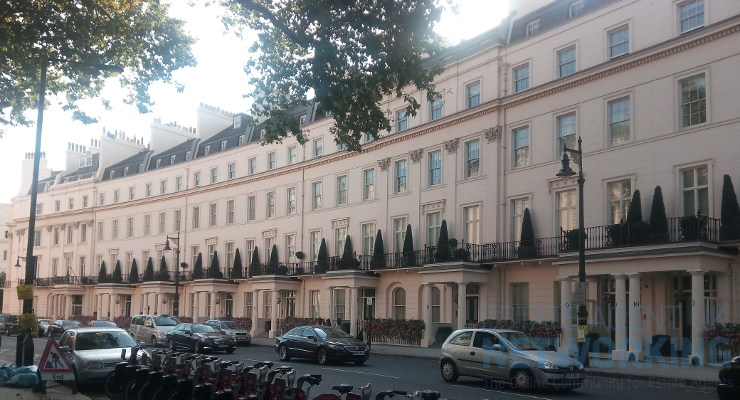
Belgravia, Knightsbridge, Mayfair, Kensington and northwest London remain among the most active sub-markets. Significant discounts on certain assets, alongside upgraded stock and major redevelopment projects, have attracted younger and more globally diverse buyers. Recent transactions include trophy assets such as The Holme in Regent’s Park at £139 million, a £40 million acquisition in St John’s Wood by George Lucas, and a £25 million Mayfair apartment purchased by a member of the Thomson Reuters family.
Implications for developers and lenders
For developers and lenders, this stage of the cycle presents both challenges and meaningful opportunities. Transaction volumes remain below historic norms, but London’s fundamental strengths, scarcity, stability and global liquidity, remain firmly intact. With pricing reset and vendors increasingly realistic, well-capitalised buyers and flexible lenders are now able to secure transactions that would have been difficult to achieve at the previous peak.
At ASK, our recent facility for a prime residential development on Lansdowne Walk in Notting Hill reflects this outlook. Notting Hill continues to attract international families and globally mobile buyers, drawn by its architecture, schools and lifestyle appeal. In a market where pricing has corrected but demand for the very best locations remains resilient, well-structured lending into projects of this calibre offers both downside protection and exposure to long-term value creation.
A market entering its next cycle
London’s super-prime market is not retreating; it is repositioning. Price corrections, demographic shifts and fiscal changes have reset expectations, but the core drivers of demand remain strong. For UHNW buyers, developers and investors, this transition is already creating opportunities not seen for more than a decade.
If the next 12–24 months see a continued narrowing of the gap between public market valuations and real estate, a trend that is already beginning to emerge, London’s most exclusive postcodes may once again enter a period of renewed activity and value creation, albeit with a new generation of owners at the helm.

You May Also Enjoy

Residential projects remain under pressure

Homebuyers hold tight ahead of Autumn Budget

House price growth accelerates in Q2

House prices hold steady despite impact of higher interest rates

Breaking Property News 5/10/26