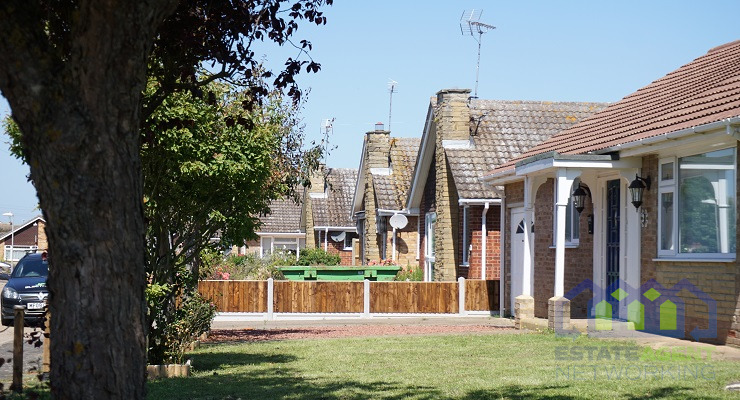
Average UK house price rises at the start of 2026

• House prices increased by +0.7% in January, following a -0.5% fall in December
• Average property price is now £300,077, rising above £300k for the first time
• Annual growth at +1.0%, up from +0.4% in December
• Regional differences in house price performance have become more pronounced
Amanda Bryden, Head of Mortgages, Halifax, said:
“The housing market entered 2026 on a steady footing, with average prices rising by +0.7% in
January, more than reversing the -0.5% fall seen December. Annual growth also edged higher to
+1.0%, pushing the cost of the typical UK home above £300,000 for the first time.
“While that’s undoubtedly a milestone figure, and activity levels show a resilient market, affordability
remains a challenge for many would-be buyers.
“Broader economic conditions continue to provide some support. Wage growth has been outpacing
property price inflation since late 2022, steadily improving underlying affordability. That’s a positive
trend for buyers, and the long-term health of the market.
“And we’re now seeing more mortgage deals below 4%. If inflation continues to ease, there should be
further gradual reductions as the year goes on.
“All in all, we still think house prices are likely to edge up between 1% and 3% this year.”
“For first-time buyers the headline numbers can seem daunting, but it’s important to remember that
most are looking at smaller properties in areas that reflect their budget. Many locations offer far more
accessible price points, especially in northern regions where homes can often be found for under
“Affordability is still a challenge, but stronger wage growth and falling mortgage rates have helped
relieve some of the pressure in recent years. We expect that improvement to continue in 2026,
meaning that with the right support and advice, home ownership should become a realistic prospect
for more would-be buyers.”
How did we reach a £300k average property price?
Although the UK’s average property price is now above £300,000, growth in recent years has been
relatively modest, following the sharp increases seen during the pandemic.
Over the past three years, property prices have risen by +5.7%, or around £16,000, as higher interest
rates and stretched affordability have kept growth muted.
By contrast, the three years from 2020 to 2023 saw prices climb nearly +19% (over £44,000), driven
by ultra-low borrowing costs and the ‘race for space’.
Nations and regions house prices
Regional differences in house price performance have become more pronounced, with a clear divide
between the northern and southern parts of the UK.
In the north, positive momentum has carried over from last year, with demand and inflation remaining
robust.
Northern Ireland continues to lead the UK, with average prices rising +5.9% annually to £217,206.
Scotland follows closely, recording annual growth of +5.4%, taking the average property price to
£221,711.
Elsewhere, Wales saw a modest rise of +0.5% over the year, with the average home now costing
£228,415.
Within England, the strongest growth remains concentrated in the north. The North West saw prices
increase +2.1% to £244,328, while the North East recorded +1.2% annual growth, bringing the typical
price to £181,198.
In contrast, southern regions have seen prices soften. The South East, South West, London and
Eastern England all saw annual declines of more than 1%.
As the four most expensive areas of the country, these markets tend to be more sensitive to higher
borrowing costs and taxes, which can weigh on affordability and confidence.

You May Also Enjoy

Renting an Apartment for Streaming and Gaming: What to Check Before Paying the Security Deposit

London rents outperform property values
Rental property availability falls
Average advertised rents surpass £1,400 for the first time

Barclays unlocks wider mortgage access for company directors