England’s non-decent homes could fall by 20%, but it will cost £1.43bn
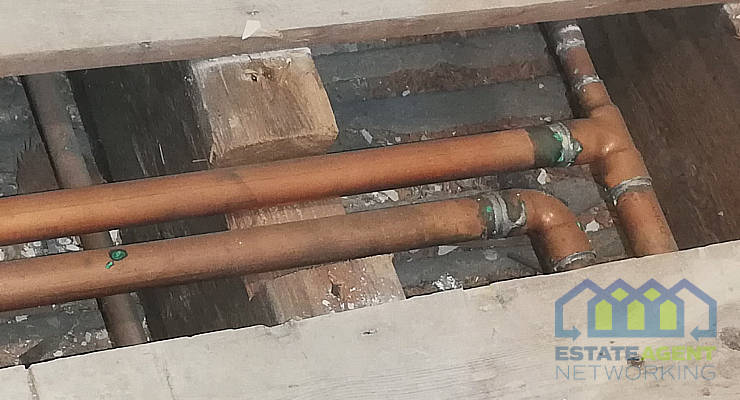
The latest insight from Inventory Base indicates that the number of non-decent homes in England could be reduced by 20% over the next ten years. However, the sector must recognise that even this modest and achievable reduction would come at a substantial cost of £1.43 billion.
Inventory Base’s analysis of government data shows that, across the most recent decade of available figures from 2015 to 2024, an average of 1.1 million private rented homes in England have fallen below the Decent Homes Standard (DHS) each year.
Over this period, the sector has made no meaningful progress in improving non-decency rates. The total number of non-decent homes has fallen by just 16.5% across the decade, while the 2024 figure of 1.1 million remains broadly unchanged from the pre-pandemic total recorded in 2019.
Drivers of non-decency
The primary reason properties fall below the DHS is failure to meet minimum requirements under the Housing Health and Safety Rating System (HHSRS), which accounts for 46.1% of all non-decent private rented homes. A further 40.3% fail thermal comfort standards, Disrepair accounts for 25.8%, highlighting persistent maintenance backlogs, while 9.3% fall short on modern facilities.
The fact that homes are identified and recorded as non-decent reflects a degree of intent within the sector to address a long-standing issue. However, the data makes clear that remediation efforts to date have had only a limited impact.
A regulatory shift with economic consequences
From 2026, a combination of regulatory developments is beginning to reshape the landscape. The introduction of the Renters’ Rights Act, ongoing reform of the HHSRS, and the strengthening of local authority enforcement is expected to increase pressure on landlords to address non-compliance. However, the economics of improvement remain challenging.
Projected impact over the next decade
Inventory Base’s modelling suggests that a 20% reduction in non-decent homes over the next ten years represents a conservative and achievable target. Based on current data, this equates to removing 220,000 non-decent homes from the sector, or approximately 22,000 each year.
This projection assumes gradual improvement rather than systemic transformation. It reflects incremental behavioural change, with landlords either investing to meet compliance thresholds or exiting a market where the financial consequences of non-compliance are increasing. It also accounts for continued inconsistency in enforcement, given the ongoing resource constraints faced by local authorities, and aligns with the historically slow pace of housing improvement in England.
The cost of progress
Even this measured level of improvement carries a significant financial burden.
With an average remediation cost of £6,500 per property, a conservative midpoint based on English Housing Survey data and government impact assessments, bringing 22,000 homes up to standard each year would require approximately £143 million. Over a decade, this equates to a total cost of £1.43 billion. In many cases, particularly where Category 1 hazards are present, costs are likely to be higher.
This is not a figure the market is likely to absorb without consequence. The private rented sector is still dominated by individual landlords with one or two properties, many of whom are already managing the combined pressures of elevated mortgage rates and the phased removal of mortgage interest relief.
For these landlords, a remediation cost ranging from £6,500 to £10,000 may make exiting the sector a more financially rational decision than investing to achieve compliance.
Risk of reduced supply
As a result, a notable proportion of the projected 20% reduction may be driven by landlord attrition rather than genuine improvement in housing quality. In such cases, properties do not improve but instead leave the private rented sector, often transitioning into owner-occupation or short-term letting.
This shift does little to address the underlying supply imbalance that forces many tenants to rely on substandard private rented accommodation.
Sián Hemming-Metcalfe, Operations Director at Inventory Base, commented:
“As a sector, we need to be honest about what progress actually looks like. A 20% reduction sounds positive, but if that change is driven by landlords leaving rather than properties improving, we are not solving the problem, we are reshaping it.
Increasing that rate of improvement to 30% would require fully funded enforcement, consistent penalties, and a level of reinvestment that current margins simply do not support. On the current trajectory, 20% is realistic. However, the concern is that even this outcome leaves hundreds of thousands of tenants in non-decent homes.”

You May Also Enjoy

Price increase hints at usual Autumn bounce

Bank of England’s rate hold
54,000 properties hit market during back to school rush

69% of homebuyers would compromise on their property
The UK towns boasting +80% house price growth amid nationwide drop