


How to Make a New-Build Living Room Feel Less Like a Show Home
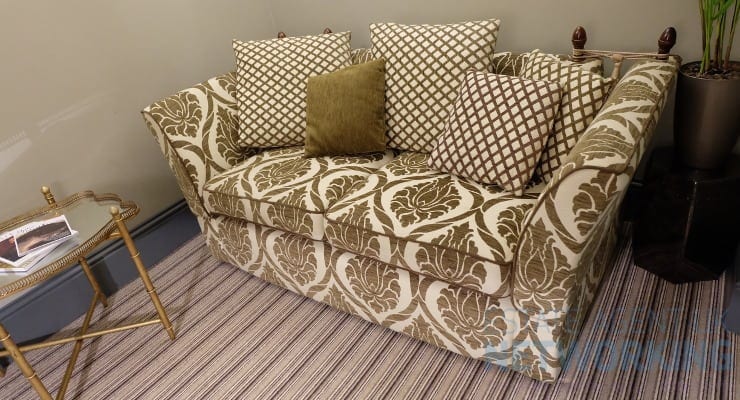
An empty new-build living room can be surprisingly difficult to furnish. The walls are freshly painted, the sockets are in place, and there is nothing to remove before decorating begins. Yet once the sofa arrives, the room can still feel unsettled: too bare in some places, awkwardly crowded in others.
The answer rarely involves buying everything at once. A convincing interior develops through decisions about how the room will be used, which pieces deserve space, and where a little contrast would help. Start with the floor plan rather than a shopping list.
Give the furniture a reason to be there
Before ordering anything substantial, walk the routes between the entrance, windows and adjoining rooms. Notice where doors swing and where someone carrying a drink would naturally pass. These movements should remain comfortable once the furniture is in position.
Mark proposed furniture footprints with masking tape. Include the full depth of an armchair and the space needed to pull away from a table. A piece that fits against a wall may still interrupt the room when someone actually uses it.
Then consider the seating arrangement. A sofa facing a television answers one need, but it may leave conversation feeling awkward. An armchair angled towards the sofa can create a more useful arrangement, particularly where a second sofa would dominate.
When comparing armchairs from K&B London, look beyond upholstery colour. The height of the back, width of the arms and amount of visible frame all affect how substantial a chair appears. A compact footprint does not always mean a visually light piece.
Choose the seat for its intended use, too. A chair for reading every evening needs different consideration from occasional seating brought into conversation when guests visit. Check seat height and depth against furniture you already find comfortable.
Introduce contrast through materials
A new room can feel flat when every surface has a similar finish. Pale walls, a pale sofa and a smooth neutral rug may work individually, yet together they can leave little for the eye to register.
Texture offers a measured way to introduce variation. Woven upholstery beside a smooth timber table creates a different relationship from polished metal against glass. You can keep a restrained colour palette while allowing materials to do more of the work.
Examine finishes closely before buying. A photograph may show the outline of a table clearly while revealing little about its surface. Read the material specification and distinguish solid stone from stone-effect finishes, or solid timber from veneered construction. These are different choices, with different care requirements.
Avoid making every piece a focal point. If a chair has a strong curved silhouette, a quieter table beside it gives that shape room to register. Repeating one material elsewhere can connect the arrangement without requiring a matching furniture set.
Plan for the room after dark
Daylight can disguise an incomplete lighting scheme. Once the curtains close, a single ceiling fitting may leave the seating area exposed and the edges of the room dark.
Think about where light is needed before deciding which lamp looks right. Reading requires light near the seat; a sideboard lamp can provide a gentler background when the main fitting is switched off.
Scale matters here. On a broad cabinet, a small lamp may look disconnected from the furniture beneath it. Collections of large table lamps provide useful options for comparing taller bases and wider shades, but check the complete dimensions against the available surface.
The shade should sit comfortably within the arrangement without obstructing artwork or projecting into a walkway. Check socket positions early so cables can run discreetly behind furniture rather than across open floor.
Leave some decisions until you have lived in the room. An empty corner may become a reading spot, or prove more useful left clear. Bring in personal objects gradually: a painting you chose independently, books you return to, a ceramic piece collected on a trip.
Before adding another accessory, sit in each seat and look around. Notice what feels uncomfortable or unfinished. The next purchase should answer that observation. A room becomes personal through those specific choices, rather than through the sheer quantity of things displayed.

You May Also Enjoy

Buying Alone? What Solo Buyers Need to Know Before Making an Offer on a House
How to Make a New-Build Living Room Feel Less Like a Show Home

Mortgage Borrowing Dip

Autumn Budget 2026: Property industry reaction

Can you legally BAN Halloween Trick or Treaters?