


Can you legally BAN Halloween Trick or Treaters?
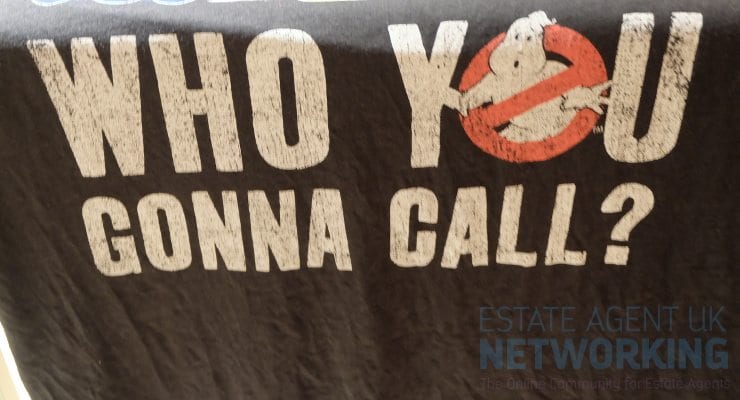
People who dread the annual knock of trick-or-treaters may have more power to keep Halloween callers away than they realise.
As millions of children prepare to take to the streets on October 31, a property law expert has explained what homeowners can do if they do not want strangers walking up their path or knocking on their door.
Janet Lane, property law expert at Rogers and Norton, said householders in England and Wales are entitled to take steps prevent strangers from entering onto their property and knocking or ringing the doorbell.
However, there is normally an implied permission for people to approach a home’s front door, allowing everyone from neighbours and delivery drivers to other ordinary callers to walk up the path and knock.
That does not mean homeowners have to welcome trick-or-treaters.
Janet said: “There is generally an implied permission for somebody to walk up the usual route to your front door and knock, which is why a delivery driver, neighbour or other caller does not normally need express permission first.
“But homeowners can make it clear that they do not want Halloween callers. A locked gate, or a simple and prominent ‘no trick-or-treaters’ notice on the door, gate or window is one of the clearest ways of communicating that visitors are not invited to approach.
“If somebody does knock despite that, you can ask them to leave. Most trick-or-treating is completely harmless, but there is no obligation to open your door, hand out sweets or participate in Halloween simply because somebody has called at your home.”
Simply walking up a path and knocking once is unlikely to turn Halloween into a police matter.
Trespass itself is not ordinarily a criminal offence in England and Wales, but behaviour can become more serious where someone refuses to leave, repeatedly targets a property, causes damage, threatens residents or behaves anti-socially.
Janet added: “There is an important difference between a child innocently knocking on the wrong door and behaviour which becomes intimidating or destructive.
“A single knock is one thing. Repeatedly banging on somebody’s door after being asked to leave, damaging their property or throwing objects at their home is something very different and should never be dismissed as simply part of Halloween.”
How to make it clear trick-or-treaters AREN’T welcome
Janet recommended homeowners:
Put up a clear sign saying “No trick-or-treaters please”
Avoid putting out pumpkins or Halloween decorations that could suggest callers are welcome
Keep gates closed where appropriate and make sure signs can be seen before visitors reach the door
Don’t feel pressured to answer if somebody knocks unexpectedly
Never create dangerous obstacles or ‘booby traps’ to deter visitors
Parents could help prevent awkward encounters by setting a few simple rules before heading out.
Janet said: “Halloween should be enjoyable for children, but it is also worth reminding them that not everybody celebrates it.
“As a general rule, decorated houses, pumpkins and other Halloween displays are a much better indication that somebody is happy to receive callers. If there is a sign asking people not to knock, children should respect it and move on.
“Parents should also remind children to stay on paths, avoid entering anyone’s home, leave immediately if asked and never treat throwing eggs, flour or damaging property as a harmless prank.”

You May Also Enjoy
Can you legally BAN Halloween Trick or Treaters?
What the sector need to do differently to give first time buyers a chance
The 50-property tipping point: when landlords need a different approach
Home is where the stress is

Breaking Property News 28/10/26