


What Makes a Commercial Property Attractive to Modern Businesses?
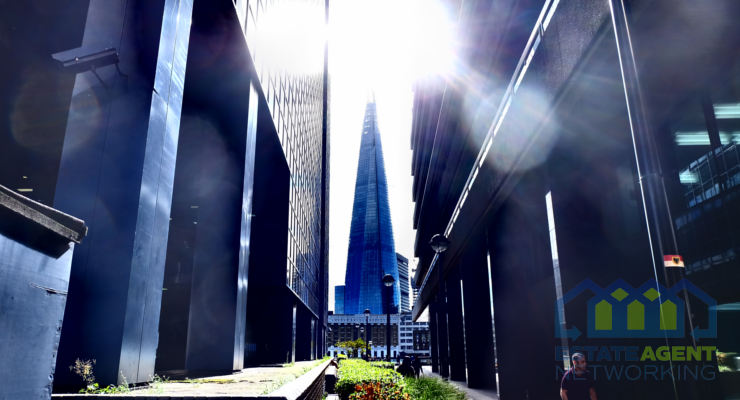
A commercial property can shape how easily a business recruits staff, serves customers and manages its everyday costs. Modern occupiers tend to look beyond floor area and monthly rent, weighing up everything from transport links to energy use. This holistic approach helps them find a space that aligns with their values and budget, especially as commuter affordability becomes a critical factor in many regions.
For landlords and agents, that creates an opportunity. A well-presented property with flexible terms and practical amenities can appeal to a broader range of organisations, retain tenants for longer and remain competitive as working habits change.
Location still leads the list
Location remains one of the main commercial property attractions, but businesses assess it in practical terms. Employees need a manageable commute, visitors need clear directions, and suppliers need reliable access. Nearby railway stations, bus routes and major roads can all strengthen a property’s appeal.
The surrounding area matters too. Cafés, shops, gyms and green spaces give staff useful options during the working day. When assessing a building, check typical travel times at rush hour and walk the route from the nearest station. A location that looks convenient on a map may feel quite different at 8.30 on a wet Monday morning.
Flexible space and straightforward costs
Businesses want premises that can adapt as their team changes. Movable partitions, meeting rooms of different sizes and shared breakout areas allow an occupier to adjust without moving every time it recruits another five people. Furnished space can also reduce the time and upfront spending needed to open an office.
Clear pricing makes comparison much easier. For example, Hope Park’s serviced offices provide furnished workspace in Salford Quays with all-inclusive pricing, on-site parking, EV charging and 24-hour tenant access. This type of arrangement helps a business forecast occupancy costs without separately organising furniture and several building services. Landlords should present included services clearly so prospective tenants can calculate the real monthly commitment.
Connectivity and everyday facilities
Reliable digital infrastructure now sits alongside heating and lighting as a basic requirement. Before viewing a property, businesses often ask about broadband providers, expected connection speeds and mobile reception. They may also want backup options because even a short outage can disrupt payments, calls and cloud-based systems.
Other important property features include parking, security and accessibility. Cycle storage, showers and EV charging can widen commuting choices, while step-free access helps staff and visitors use the building comfortably. During a viewing, test the mobile signal, inspect shared kitchens and ask how quickly maintenance requests are handled. Small operational details often reveal how well the property works in practice.
Energy performance affects the numbers
Energy-efficient premises can support lower running costs and help occupiers meet their own environmental targets. Modern lighting, effective insulation and well-controlled heating reduce waste without making staff responsible for constant manual adjustments. Visible recycling points and water-saving fittings also show that the building is managed with day-to-day efficiency in mind.
Owners should keep energy records accessible and explain any recent improvements, including new glazing or upgraded heating controls. Occupiers can then compare likely consumption between shortlisted buildings. Natural light deserves attention as well. A bright office may need less artificial lighting during working hours and usually feels more welcoming, although blinds or solar control may be needed to prevent glare and overheating.
Presentation should match performance
First impressions influence a viewing, particularly when a business expects clients to visit. Clean entrances, readable signs and tidy communal areas suggest that management standards are consistent throughout the property. Worn carpets or unanswered maintenance issues can create doubts even when the office itself is in good condition.
Presentation must also reflect how the building performs. Provide accurate floor plans, service details, and recent photographs before the viewing. Once prospective tenants arrive, show them practical areas such as meeting rooms, parking spaces and delivery points instead of focusing only on the reception area. Honest answers about noise, access hours and planned works build confidence and reduce the risk of misunderstandings later.
Good management keeps tenants longer
The relationship continues after the agreement is signed. Businesses value clear points of contact, predictable service arrangements and prompt responses when something goes wrong. A heating fault reported on Tuesday should not disappear into a general inbox until the following week.
Regular communication also helps owners spot changing requirements early. A growing tenant might need another room, while a company using hybrid working may prefer a smaller private office with access to bookable meeting space. Quarterly check-ins can bring these needs to light before the occupier starts searching elsewhere.
The most attractive commercial properties make working life simpler. When the location, costs, and facilities all stand up to scrutiny, a business can picture its team operating there from the first day, not after months of fixes and compromises.

You May Also Enjoy
What Makes a Commercial Property Attractive to Modern Businesses?
Sellers lower price expectations further
First-time buyer enquiries fall 27% as borrowing costs rise

Homes completing on Friday the 13th sell for less

Surrey, Herts & Bucks named most exclusive markets