Is this the answer to self-regulatory controls in the private rental sector?
“There is an increasing call for more controls over the private rental sector and greater protection of tenants, while at the same time agencies are operating in an economy where tenants are under increasing financial pressure and the risk of rental default is very real,” says Shawn Brown, Director at PayProp. “The need to achieve economies of scale while keeping administrative costs down and on top of that maintain regulatory control in the rental sector means that more than ever agencies need new, ways to increase profits.”
Brown has spent the past 20 years assisting blue-chip companies with growing profitability through technology and believes that the proptech industry in the UK lies at the very heart of answers to agents increasing demands, especially with headcount and maintaining profitability and meeting regulatory requirements.
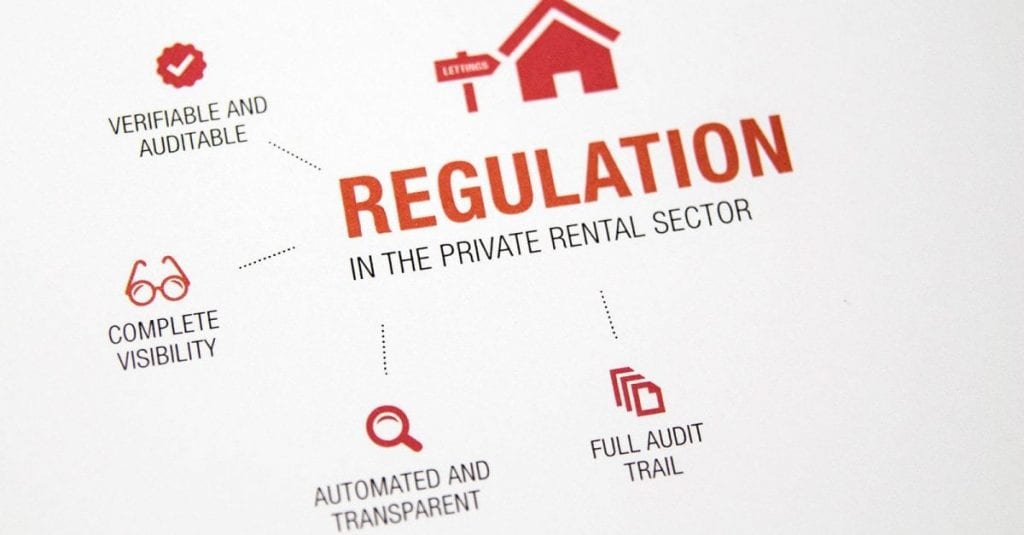
Technology enables businesses to manage and measure scalable growth and remain profitable while still keeping staffing costs down, providing a full audit trail for regulatory compliance and eliminating errors due to the automation.
When technology is implemented and used correctly, purpose built systems provide, clarity, visibility and a detailed audit reports. Systems that are rules based like PayProp, ensure that the system cannot be manipulated to cover wrong doings. Should the regulator, be it the TPO, NFoPP or ARLA want information on a particular agent, it can be provided at the touch of a button. Purpose built systems prevent extra work for agents, by providing all information in a view only format, so that the regulator can satisfy themselves of compliance. Systems that allow records to be deleted or manipulated do not solve the compliance issue, therefore its imperative if an agents want to run a compliant business that they choose systems which are fit for the purpose.
Additional services can increasingly be added onto property management platforms and progressive companies add new features on an on-going basis to improve their client’s efficiency. By combining property management, banking and accounting into a single safe and seamless platform that automates inbound and outbound payments in real-time, “Agents won’t have to lift a finger or print a bank statement ever again: PayProp automatically and securely collects payments from tenants, pays all beneficiaries and transfers commissions directly into agencies’ bank accounts – in real time,” says Brown. The automation does not stop at payments and their reconciliation either. Automated platforms can be set up to include tenant invoices, landlord statements and payment reminders, all auto-generated and dispatched.
When agents’, landlords’, tenants, accountants or any regulatory body wants to check fees, payments, deposits, and any anomalies’ without any stakeholder able to manipulate any of the records, the margin for disputes, illegal activity and concerns about errors or accountability are eliminated. For the first time, agencies can provide verifiable and auditable self-regulation standards, whilst not burdening themselves with additional workload.
“Taking hold of technology to drive efficiency and compliance is just the beginning,” says Brown. “My focus goes beyond compliance, because at the end of the day PayProp has a 10-year track record of helping clients grow their portfolios whilst driving high levels of efficiency and visibility is ultimately what it’s all about.”

You May Also Enjoy

Barclays unlocks wider mortgage access for company directors

Homebuyer demand fall in Q3

Alterations can change a property’s rebuild cost

HMO conversions hit investors for £82,000 on average

Selling a HAUNTED house?