Enduring Architectural Influence of Charles Barry
Sir Charles Barry (FRSA RA) (1795 – 1860) is perhaps one of the most revered British architects, and even won the Royal Gold Medal in 1850. But, how did his style come to be, and which buildings celebrate his architecture to this day? Let’s take a look.
Barry’s Iconic Buildings
The architecture of Charles Barry is nothing short of iconic, with many notorious buildings under his belt. In fact, you may recognise some of them from the small and silver screen. Just take Highclere Castle, for example. The renovation of the castle-cum-stately home in the 19th century was produced by Barry, taking inspiration from both Italianate and Jacobean styles – and it is this aesthetic that the building is known for to this day, as represented in the hit historical drama series Downton Abbey (2010-15).
The architectural style of the building has become so synonymous with the show that its representations in inspired media can indicate the setting effortlessly, with nods to Downton Abbey’s architectural aesthetic cropping up in a wide variety of media. For example, one of the forms of media inspired by Downton Abbey is Paddy Power Bingoton, a bingo Slingo game that utilises features of the iconic Highclere Castle, including dark glossed wood panelling, large paintings, and a deep rich colour scheme within its immersive combination of bingo and slots games. Such representations within popular culture demonstrate the lasting impact of Barry’s architectural style.
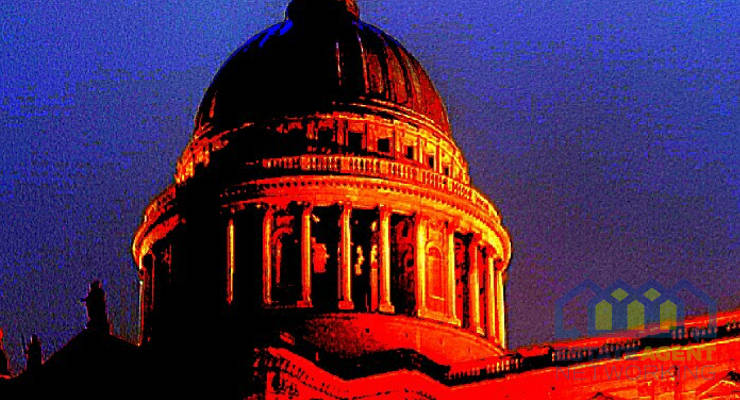
Elsewhere, Barry is perhaps most known for his lifelong role as the chief architect of the Houses of Parliament, which is also called Westminster Palace. After the original building was burned down in 1834, Barry used Gothic Revival influences to compose the entirety of the iconic complex that stands there today.
Architectural Influences
During his schooling, Barry developed an interest in architecture, apprenticing with Lambeth architects Middleton and Bailey at only 15 years old. By age 17, he began to exhibit his architectural drawings at the Royal Academy of the Arts, and continued to do so for three years. However, it wasn’t until he was midway through his Grand Tour of Europe that he began to soak up the unique blend of architectural influences he is known for.
During his travels, Barry explored the Mediterranean and the Middle East, particularly admiring buildings such as the Hagia Sophia, the Temple of Edfu, the Church of the Holy Sepulchre, and, most notably, the Palazzo Farnese and Palazzo Strozzi. It was these Italian sites and the surrounding Renaissance architecture which turned Barry towards the Italianate style that he is known for.
As such, upon returning to Britain, Barry became a pioneer and enthusiast for Italianate architecture. In particular, he specialised in the Palazzo style reminiscent of Italian Renaissance palaces, drawing additional influences from the Gothic Revival movement. Aside from the bricks and mortar, Barry also developed an Italian Renaissance style for garden landscaping, which can be seen at many British stately homes.
These influences all came together to become a style that was unique to Barry, and can be seen throughout Britain, including the Church of St Peter in Brighton, the Travellers’ Club in Pall Mall, Bridgewater House in London, King Edward’s School in Birmingham, Halifax’s town hall, and Manchester’s Royal Institution of Fine Arts.
As you can see, Barry had a huge impact on the architectural landscape of Britain, in turn, he has also influenced the styles representative of certain periods of history, as seen in representations across popular culture. This makes Sir Charles Barry one of the most recognisable British architects of all time.

You May Also Enjoy

London rents outperform property values
Rental property availability falls
Average advertised rents surpass £1,400 for the first time

Barclays unlocks wider mortgage access for company directors
Homebuyer demand fall in Q3