Benefit Changes Driving Homelessness Says New Report
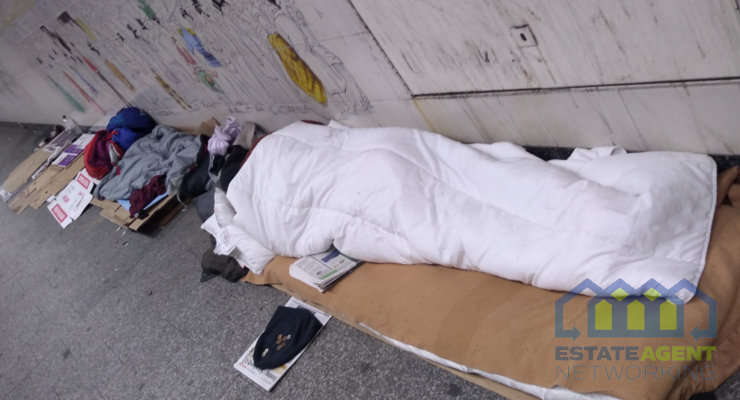
Changes to the benefit system are behind the decade-long increase in homelessness from private rented housing, according to a new report for the RLA.
Research by the Policy Evaluation and Research Unit at Manchester Metropolitan University for the Residential Landlords Association has found that a key driver of homelessness from the private rented sector has been introduction in 2008 of the Local Housing Allowance (LHA), as a way of calculating Housing Benefit payments for low income households.
There is evidence, both from the Manchester Met research and from other sources, that the gap between LHA rates and actual rents has increased in recent years and is expected to continue to increase in the future. A quarter of landlords surveyed in this research reported that this gap was more than £100 per month.
The research team found that security of tenure is not a cause of homelessness from the private rented sector, as evidence from the English Housing Survey shows that 90 per cent of tenancies are ended by the tenant. Rather the research team found that the LHA rates has a ‘double whammy’ effect that is driving homelessness because tenants in receipt of Housing Benefit are more likely than other tenant groups to have their tenancy end; and these households are then finding it increasingly difficult to find suitable, affordable accommodation in the private rented sector.
The report also highlights that in a large majority of cases where tenants are asked to leave their properties under Section 21 notices, there is a clear reason. Half of the notices are used where tenants have rent arrears, are committing anti-social behaviour or are damaging the property. Other common reasons include the landlord needing to take back possession of a property for sale or refurbishment. The report authors argue that this “raises questions” about whether the use of Section 21 notices can properly be described as ‘no fault’ evictions. They call for further research to be undertaken on how and why landlords use Section 21 notices.
The report calls both for a review of the design and operation of the LHA and for councils to develop strategies to work with private landlords to encourage the supply of private rented homes at LHA rates.
Commenting on the report, Dr Chris O’Leary, Deputy Director for the Policy Evaluation and Research Unit at Manchester Metropolitan University and a co-author of the report said:
“Whilst current debate is focused on changes to the way that landlords reclaim possession of a property, this does not tackle reasons why they need to do so.
“With the demand for rented housing remaining high, our report calls for co-operation between councils, landlords and the Government to support and sustain tenancies. This includes ensuring that benefits reflect the realities of today’s rents and work is undertaken to prevent rent arrears building in the first place.”
David Smith, Policy Director for the RLA said:
“This report puts paid to the idea that landlords spend their time looking for creative ways to evict their tenants. Most landlords ask their tenants to leave to protect their property. It would be a bizarre business model indeed to search for ways to get rid of your customers.
“The private rented sector can play a key role not just in housing the homeless but preventing people becoming homeless in the first place. Action is needed on a number of fronts to boost the supply of homes to rent to meet demand and reform the benefits and the court system to give confidence to both tenants and landlords.”
Research from the Residential Landlords Association (RLA)

You May Also Enjoy

We’ve got the visitors. Now we need your listings.

Housing market hit by £18m increase in fall-through costs in Q2 2026

More than half of ‘Mumlords and Dadlords’ give rent back to help children buy their first home

The First-Time Buyer Reality Shock
£50k hit when climbing the property ladder