Burnley tops Premier League property premium table
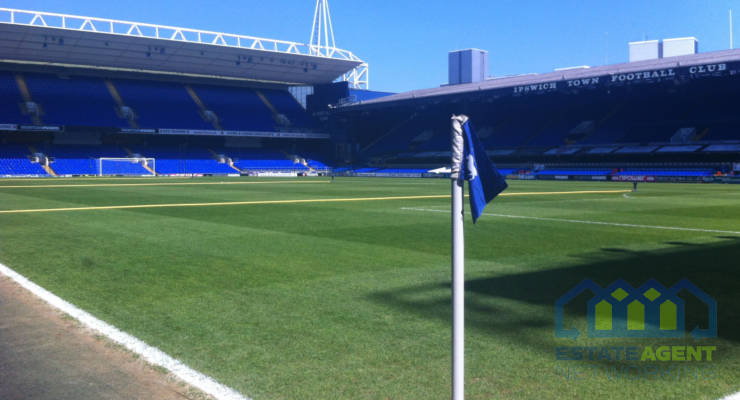
With the new Premier League season getting underway this weekend, the latest research from Yopa has revealed that while Chelsea and Fulham top the Premier League property price table when it comes to the most expensive stadium postcode, it’s Burnley’s Turf Moor stadium takes the crown for the highest house price premium compared to the wider local market.
Yopa analysed* current average house prices within the postcode district that each Premier League stadium is located in ahead of the 2025/26 season, before comparing them to average prices across their respective local authority areas, to see which stadium carries the largest house price premium.
The research shows that both Chelsea and Fulham top the table for the Premier Leagues most expensive postcode. Both Stamford Bridge and Craven Cottage are located within the SW6 postcode, where the average house price currently sits at £772,153, making it the most expensive stadium location in the league.
Arsenal’s Emirates Stadium in the N7 postcode ranks third at £520,464, whilst Brighton is home to the most expensive Premier League stadium postcode outside of London, with an average property price of £415,614.
However, Burnley’s Turf Moor leads the way when it comes to the highest house price premium commanded by a Premier League stadium, with the BB10 postcode averaging £198,037 – some 48.1% higher than the wider Burnley average of £121,305.
Bournemouth also scores highly for a postcode premium, with homes around the Vitality Stadium worth 22.9% more than the wider Bournemouth, Christchurch and Poole average.
West Ham follows closely, with property surrounding the London Stadium in the E20 postcode averaging £424,892, a 1.2% uplift versus the wider Newham market.
Interestingly, every other Premier League stadium postcode is home to an average house price below that of the wider local authority, with Leeds United’s Elland Road the worst of the lot, where the average house price for the LS11 postcode comes in -49.7% below that of the wider Leeds area.
Yopa’s National Franchise Director, Steve Anderson, commented:
“For many football fans, living within arm’s reach of their chosen football team would be a dream come true and, like all areas of the property market, the price of achieving such a dream can differ dramatically depending on which area of the country your team’s home ground is located.
However, what is perhaps more interesting is the fact that all but three Premier League stadium postcodes are home to an average house price that comes in below that of the wider area.
This suggests that living within close proximity of a major sporting venue doesn’t hold the wider market appeal you might think and, for those who don’t follow a football team religiously, the increased footfall on game days can actually act as a deterrent when it comes to property market appeal.”

You May Also Enjoy

Gap between house prices and earnings narrows

New Scheme Could Double Solo Buyer New-Build Options

Annual house price growth halves in September

Homesellers say valuation appointment is key
London’s rental market bucks the national trend