Cladding remediation work stalls – when will we realise that this is a matter of life and death?
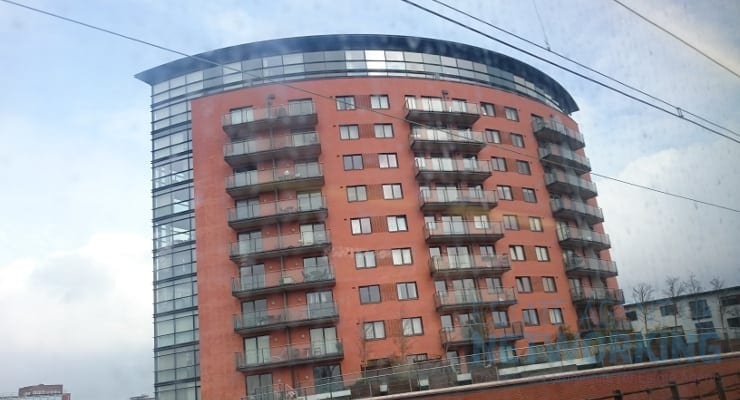
The most recent government data shows that the UK is monitoring more high-rise buildings with potential cladding risks than ever before, yet fewer are actually entering remediation. Property Inspect UK is now warning that the widening gap between identification and action reflects a persistent structural issue in how remediation is managed, verified, and delivered.
As of October 2025 (latest available data), a total of 5,570 residential buildings over 11 metres tall are being monitored through the Ministry of Housing, Communities & Local Government (MHCLG) building safety remediation programme.*
This represents a 15.2% annual increase, driven primarily by a sharp rise in the monitoring of buildings between 11-18 metres, which has increased by 23.5% year-on-year. The number of higher-rise buildings over 18 metres has increased by 9.5%.
Despite more buildings being monitored , momentum on remediation appears to be weakening. The total number of buildings actively progressing through remediation (underway on site) fell by -22.8% between October 2024 and October 2025.
But all may not be completely lost. One encouraging data point shows that the number of completed remediation projects rose by 35.5% over the same period, a signal that when work is finally commencing, it is being brought to completion at a faster rate.
Sián Hemming-Metcalfe, Operations Director at Property Inspect, commented:
“More buildings than ever are entering monitoring, yet fewer are moving into the remediation pipeline. This doesn’t point to a simple construction capacity issue, but instead an ingrained workflow inefficiency. The system still relies too heavily on fragmented documentation processes, inconsistent evidence standards, and slow, manual review procedures that delay sign-off even when physical work is complete.
At Property Inspect, we have been beating the drum for years on this issue, trying to increase awareness around the flawed procedures around unsafe cladding remediation and the impact it is having on the property industry.
We’re not going to stop banging this drum because it’s not just the industry that is being negatively impacted. At the heart of the matter, this is a human story. Every building that has been identified for remediation but hasn’t received any remediation represents dozens if not hundreds of people and families whose lives are at risk. If we didn’t learn our lesson from Grenfell, we only have to look at the more recent tragedy in Hong Kong to know that fire safety measures on high-rise buildings are literally a matter of life or death that we cannot afford to get wrong.”
Property Inspect’s vision for an improved remediation system
To be able to bring about real change, Property Inspect says three system-level reforms are needed:
Standardised, Digitised Evidence Packs: All remediation projects must be supported by a universal submission template. This should include structured photographic evidence, contractor certifications, inspection reports, and metadata to verify authenticity and chronology.
A National Remediation Tracker: There is no publicly accessible tool showing live status updates for each building. A digital, multi-stakeholder dashboard would reduce duplication, enable accountability, and eliminate informational blind spots.
Funding Linked to Compliance Standards and SLAs:. Future funding should be tied to demonstrable progress and proper documentation. Equally, Service Level Agreements (SLAs) must be enforced for both submission and regulatory review timeframes, ensuring that no project languishes in limbo due to administrative inertia.

You May Also Enjoy
Homebuyers face longer buying timelines

Breaking Property News 1/4/26
What renters and landlords need to know ahead of major rental law changes
Tackling Empty Properties

Pet-friendly rentals plunge 39%