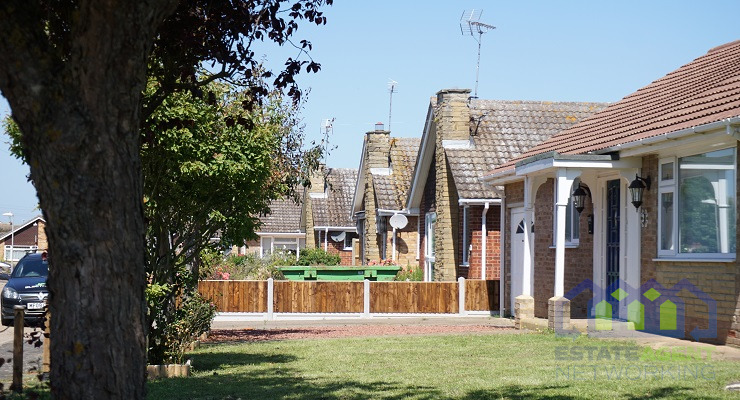
Non-standard home insurance cover and how to get it right
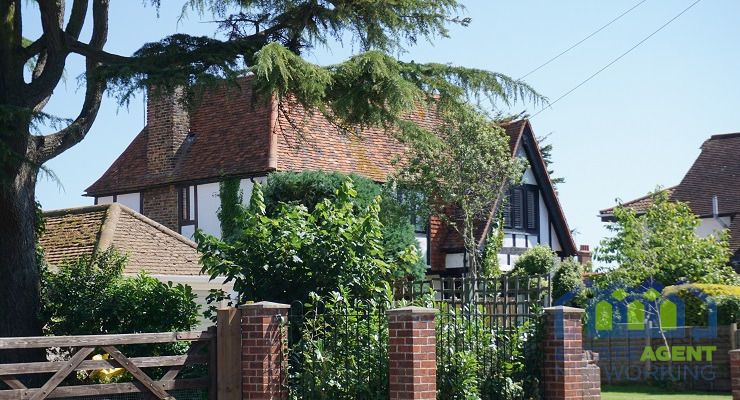
Leading insurer provides the low-down on non-standard home insurance cover and how to get it right
Most home insurance policies in the UK are designed for ‘standard’ homes, but not every home is considered standard. Whether the property is built with timber frames, has a flat roof or is a listed building, it may fall outside what is considered to be ‘standard’ in insurance, say insurance experts, Everywhen.
“Finding insurance for a non-standard home can be tricky but the risks in not having the right cover can be serious,” says a spokesperson for Everywhen. “We understand the complexities involved and so we’ve produced a guide to help homeowners understand non-standard insurance and to navigate the pitfalls in finding it.”
What does ‘non-standard’ mean in home insurance?
In insurance terms, a standard home is one that is built with brick or stone walls and has a roof made of tiles or slate. A non-standard home could be made from different materials, have an unusual design, be located in a flood-prone area, in a place with a risk of subsidence, in a conservation zone, unoccupied or it could be a listed building.
The need for non-standard insurance doesn’t mean there’s anything wrong with the property. Many non-standard homes are full of character, history or cutting-edge design. However, from an insurer’s point of view, they can come with different risks and requirements, which means they need a different kind of policy.
Types of non-standard homes – The most common types of construction that may require non-standard insurance include timber frame, steel frame, wattle and daub/cob, non-combustible prefabs, flat roofs, shingle roofs, homes in conservation areas and eco homes with green technology.
Why does it matter for insurance? The way a home is built has a big impact on how insurers assess risk. If it is non-standard, it may need specialist assessments, specific materials or expert tradespeople, in the event of a claim.
What does non-standard home insurance typically include? This type of insurance is designed to meet the specific needs of unusual or complex properties, including, rebuild and repair cover using original or specialist materials, protection against common risks like fire, flood, storm and subsidence.
How to find the right cover – These are five practical steps to getting started on insuring a non-standard home:
Know the property’s details — Find out about the materials used in the home’s construction and when it was built.
Keep records handy — Survey reports, maintenance logs and planning documents can help insurers assess the property accurately.
Be upfront with the insurer — Share all relevant information at the start. Omitting details could affect the cover or delay claims.
Consider a rebuild cost valuation — This provides a more accurate picture of what it would cost to restore the home using the right materials.
Speak to a specialist broker — If in doubt, a broker can help find the right policy for a specific home.

You May Also Enjoy

Renting an Apartment for Streaming and Gaming: What to Check Before Paying the Security Deposit

London rents outperform property values
Rental property availability falls
Average advertised rents surpass £1,400 for the first time

Barclays unlocks wider mortgage access for company directors