


Damp and mould online searches rise by 34%
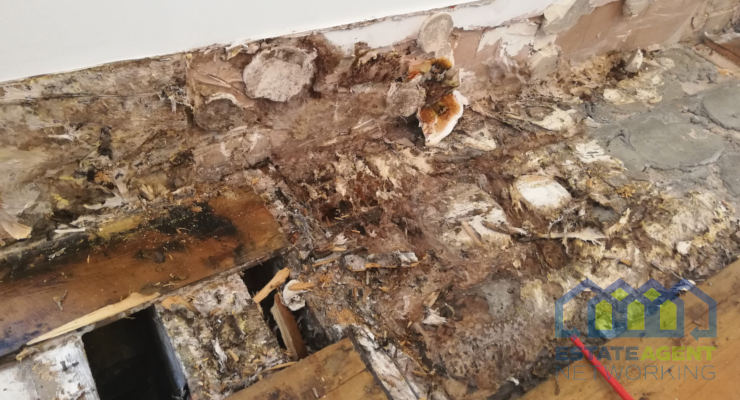
The latest research from Inventory Base shows that search interest in damp and mould has increased by 34.2% in the latest two-month comparison, while searches for damp have risen by 29.1% and mould by 16.8%.
The analysis of Google search interest trends* found that searches for “damp and mould” rose from an average search interest score of 38.65 in the previous two months to 51.88 in the most recent two months, an increase of 34.2%.
The findings come as Inventory Base launches a new template tool designed to help property professionals assess housing hazards and support compliance with the Housing Health and Safety Rating System (HHSRS).
The increase in search interest for damp and mould comes as the housing sector continues to focus on property condition and the identification of potential hazards. Damp and mould can be indicators of wider issues within a property, making accurate inspections and consistent records important for landlords and letting agents.
Search interest in related terms has also increased. Searches for “damp” rose by 29.1%, from an average score of 37.18 to 48, while searches for “mould” increased by 16.8%, from 37.55 to 43.88.
However, the increase has not been reflected across every housing-related search term. Search interest in “HHSRS” and “Housing Health and Safety Rating System” remained broadly stable, rising by 0.5%, while searches for “housing standards” fell by 2.1%.
Meanwhile, searches for “housing inspection” dropped by 47.3%, while broader searches for “housing safety” and “housing conditions” fell by 33.1% and 34.7%, respectively.
The contrasting trends suggest that interest in specific issues such as damp and mould is increasing, even as search interest in some broader housing and inspection terms declines. While Google search trends cannot explain the reasons behind these changes, the figures highlight the continued relevance of property condition issues for the residential sector.
For property professionals, identifying and documenting potential hazards is an important part of maintaining accurate property records and supporting a consistent approach to inspections. Clear records can help establish what was identified, when it was recorded and what action was taken in response.
Inventory Base says that while inventory and inspection reports cannot replace a professional assessment of HHSRS hazards, detailed and consistent property records can form an important part of a landlord or agent’s wider approach to monitoring property condition and managing issues.
Sián Hemming-Metcalfe, Operations Director at Inventory Base, commented:
“The updated HHSRS framework puts renewed emphasis on how housing hazards are identified, assessed and managed. For landlords and letting agents, understanding the changes and how they apply in practice is an important part of maintaining safe properties and meeting their responsibilities.
Damp and mould remain particularly important issues for the sector, as they can affect both the condition of a property and the health of the people living in it. The rise in search interest around these issues highlights the need for property professionals to have a clear understanding of the hazards they may encounter and how these should be documented.
The changes to HHSRS also reinforce the importance of having reliable inspection processes and accurate property records. While an inventory or inspection report cannot replace a formal HHSRS assessment, consistent documentation can help agents and landlords track property condition, record issues as they arise and evidence the action taken.
At Inventory Base, we want to help property professionals navigate these requirements with greater confidence. Our new HHSRS tool is designed to support a more structured approach to housing hazard assessments, helping agents and landlords strengthen their processes as they adapt and comply with the updated framework.”

You May Also Enjoy

Property expert warns homeowners to lock in amid mortgage rates uncertainty
Damp and mould online searches rise by 34%

Nearly two-thirds of movers want homes that generate their own energy

Renters’ Rights Act: A review of the first six months

Private rent and house prices, UK: October 2026