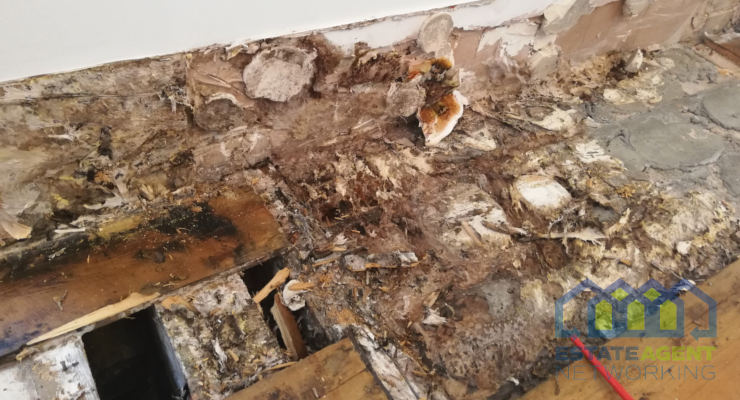
Deciding on Home Insurance: A Few Things to Consider

Houses are typically the most valuable possessions a person will ever own, so it’s essential to protect them adequately against unexpected loss. Buildings insurance is not mandated by law in the United Kingdom, although some mortgage providers may insist on it as a precondition for extending credit.
While specifics vary by policy, homeowners insurance protects against storms, earthquakes, floods, fire, lightning, explosions, uprooted trees, riots, vandalism, theft, and more. When choosing a home insurance policy, there are several considerations that you need to keep in mind.
Let us walk you through these factors.
1. Types of Home Insurance Policies
Before assuming anything, it is essential to read the fine print of your policy and determine the scope of your protection. At the same time, it may be a good idea to shop home insurance quotes online to find suitable deals.
A good place to start your search for affordable insurance is on price comparison websites, which make it easy to rapidly compare several home insurance quotes. Find other quotes from multiple sites because not all providers are listed on every comparison site.
When comparing insurance quotes, it’s important to do the following:
• Assess the policy’s coverages.
• Note any limitations or add-ons.
• Examine the policies’ different pricing.
• Last, negotiate for a better deal.
Make sure you’re getting the ideal coverage for your home insurance needs by comparing the several options available. It is essential to understand the differences between each type and what they offer.
• Buildings insurance
To qualify for a mortgage, you’ll need buildings insurance, which pays to replace or restore your home if any damage occurs.
• Contents insurance
Whether purchased separately or in tandem with a policy covering the home’s structure, contents insurance protects against loss or damage to the insured’s possessions. Though contents insurance is not required when you purchase a home, you may consider buying this type of insurance to safeguard your belongings.
You can buy either separate or combined coverage for your property and contents. The cost of buildings and contents insurance is typically lower when purchased together.
• Specified items
Under your policy, some things may only be covered up to a particular set limit, while some things might not be covered at all. Determining specific valuables and getting them covered may be a good idea when purchasing home insurance.
• Tenants’ insurance
Buildings insurance is typically not required of tenants since the landlord usually provides coverage for the property they are renting.
Alternatively, check into renters’ insurance, also known as tenants’ contents insurance, to safeguard your personal belongings. If you share a home with others, where people come and go frequently, and your belongings may be more prone to theft, you might have to pay more for this.
• Student contents insurance
In September 2021, the advising service “Save the Student” found that 36% of students had experienced theft while living in dormitories or shared housing.
Thieves regard them as easy targets because so many expensive gadgets, devices, and vehicles will be in one place. Because of this, specialized student contents insurance covers those valuable possessions you might not be able to afford to replace.
If your bedroom door doesn’t lock, you may look into “walk-in theft” coverage, which would reimburse you for loss without proof of a forced entry.
2. Your property’s use
When shopping for home insurance, one of the most crucial factors is how you intend to use the house. This may determine the coverage options that will be most beneficial to you.
Standard homeowner’s insurance, for instance, is usually sufficient if you plan to stay permanently in the insured property.
If you plan on renting out your home, however, you may look into landlord’s home insurance, which is designed to cover specific risks, such as those posed by renters committing theft.
Additionally, suppose your house is a second home, or you plan to be away from it for an extended period. In that case, consider looking into unoccupied home insurance or holiday home insurance, as many regular home insurance plans do not cover claims that occur while you have been away from home for more than 30 days.
3. Look at home insurance extras
Add-on policies are available to your basic homeowner’s insurance that might serve to secure your property further. While these may unavoidably raise your premium, they may give you much-needed peace of mind. Some of the optional extras include the following:
• Accidental damage cover
This protects the structure and its contents from accidental damage. Such as, but not limited to, toppling the television, dripping paint over the carpet, etc.
• Personal accident cover
If you or a family member at your residence are ever injured in an accident, this insurance may ensure that you are taken care of financially.
• Personal possessions cover
This refers to things you might take with you when you leave the house, like a bike or a phone. This is often referred to as “all-risks coverage.”
• Legal protection
This coverage safeguards you against the financial burden of legal fees associated with any claims made under your homeowner’s insurance policy. Typically, insurance companies may contribute up to €65,000 toward your legal fees.
Conclusion
Whether you rent or own your house, getting homeowner’s insurance will help put your mind at ease and protect your financial investment. However, finding the right house insurance policy can take time and effort. With this guide, we hope you can now acquire house insurance in the easiest way possible.

You May Also Enjoy

Seven things to do if a tree damages your property

Leasing demand rises across all sectors
Don’t Put The Property Market On Pause

Before You Sign: 10 Things Home Movers Wish They Knew

Property expert warns homeowners to lock in amid mortgage rates uncertainty