Differences between buying residential & commercial property
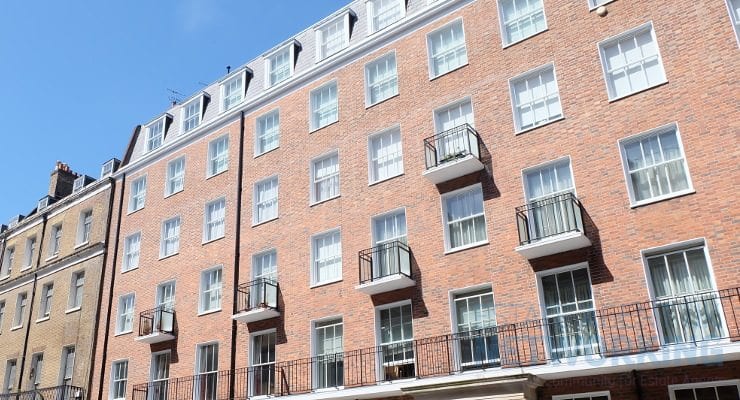
Are you considering buying a property but aren’t sure what type you would benefit from most? Look at that! You’re on the perfect article. We’re going to compare buying a residential property and a commercial property.
You’ll find out the positives and negatives of both sides, and hopefully you will have a clear idea of what type of property is best for you to purchase. Additionally, you can visit Buy Rent Commercial for more advice on property searching.
Residential property buying
Buying a residential property is for landlords looking to rent out their property for people to live in, for a given period of time. In other words, a residential property will attract people who are looking for a temporary home.
Renting Contracts
When renting out a residential property you’ll generally be looking at a contract of roughly six to twelve months. This is because, tenants usually want a temporary place to live while they save up and search for a property to live in, on a more permanent basis.
Repairs and maintenance of the property
There’s a big difference between who’s responsible for maintenance and repairs of the house when comparing residential and commercial letting. For residential properties, you’ll generally sign a contract that puts the landlord down as the person responsible for getting any problems to be fixed, and to pay for these repairs.
With this said, they are only held responsible on repairs and maintenance if the problems are not caused by the tenants.
Key points:
6-12 months renting contracts
landlords usually have to pay for and manage any maintenance or repairs
Commercial property buying
Commercial properties refer to places that will be used for a business, whether that is a shop or an office. So, you’ll be letting your commercial property to a business that will most likely be filled by stock or employees.
Renting contracts
Contrary to residential letting, a commercial let contract is usually much more long-term and varied. Due to the fact that a business is going to be renting out your commercial property, they would want to let anywhere from one to twenty years. This is because businesses don’t want to be moving their office or shop location often and need a stable property to rent.
Repairs and maintenance of the property
A commercial property owner will usually let the tenants sort out all maintenance and repairs themselves. This is due to their longer-term contracts. Which also means the landlord will not have to spend as much time on the commercial property, as the business renting it will require keeping it in good condition for their use.
Key points:
1-20 years renting contracts
tenants pay for most repairs and maintenance
less for landlords to pay and less time needed maintaining the property
Overview
Now we know the key differences between buying a commercial and residential property, which do you think would be best suited to you? Let us know in the comments below, we hope this was useful.

You May Also Enjoy
Residential projects remain under pressure

Homebuyers hold tight ahead of Autumn Budget

House price growth accelerates in Q2

House prices hold steady despite impact of higher interest rates

Breaking Property News 5/10/26