Exploring the World of Power Tools: Types, Uses, and Innovations
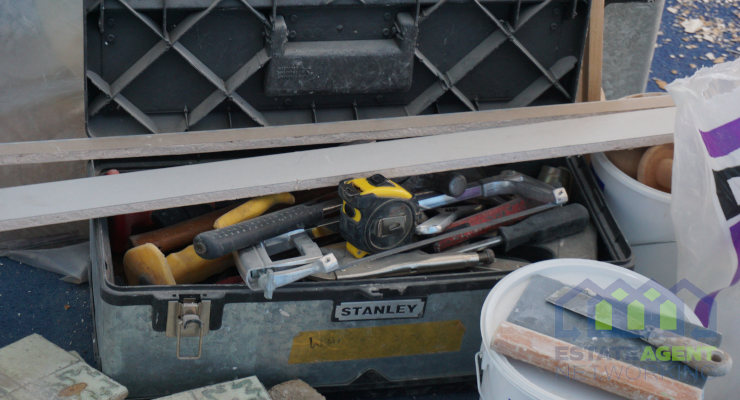
When it comes to construction, manufacturing, and DIY projects, the evolution of tools has been pivotal.
From the primitive tools fashioned by early humans to today’s highly sophisticated devices, the journey has been long and inventively robust. Among these developments, power tools have emerged as a revolutionary step, bringing efficiency, speed, and precision to tasks that were once labor-intensive and time-consuming.
This article delves into the varied landscape of power tools, highlighting their types, uses, and the technological advancements that continue to reshape the industry.
What Defines a Power Tool Compared to a Hand Tool?
Distinguishing Between Hand Tools and Power Tools
The fundamental distinction between hand tools and power tools lies in their primary source of energy. Hand tools are operated solely by human power, demanding physical effort to achieve their purpose.
In contrast, power tools are equipped with an additional power source and mechanism, greatly reducing manual labor and increasing productivity. This separation underlines not just a technological leap but also an efficiency and effectiveness that hand tools cannot match, especially in larger-scale or more demanding projects.
The Essential Role of Power Sources in Power Tools
Power tools diverge from their manual counterparts through their reliance on external power sources. These can range from electric motors to compressed air, and even battery packs in portable power tools.
The choice of power source directly impacts the tool’s mobility, power output, and suitability for specific tasks, making it a critical consideration in the design and use of power tools.
Examples of Handheld Power Tools vs. Stationary Power Tools
Power tools include both portable and stationary designs. Handheld power tools, like drills and saws, offer the versatility and freedom to move around the worksite.
Conversely, stationary power tools, such as table saws and drill presses, are anchored to a spot, providing more power and precision for heavy-duty work.
Both types of power tools are essential in construction and woodworking, each suited to different tasks.
For tradesmen and DIY enthusiasts looking for top-quality power tools and building materials in Medway, Orions Supplies offers an extensive range of products to meet all your needs. From power tools and sealants to adhesives and more, Orion Trade Supplies ensures you have the right equipment for any project. Visit our website to explore our comprehensive selection and find the perfect tools to enhance your work efficiency and craftsmanship.
The Most Common Types of Power Tools Used in Construction
Understanding the Versatility of Drills and Impact Wrenches
Drills are perhaps the most versatile tool in the power tool arsenal, used in a variety of construction projects for making holes and driving screws.
Impact wrenches, on the other hand, provide high torque with minimal exertion by the user, making them indispensable for tightening and loosening nuts and bolts.
Together, these tools embody the efficiency that power tools bring to construction work.
The Cutting Edge: Saws in Construction
Saws are another common type of power tool used in construction. From circular saws, used for cutting wood in a straight line, to reciprocating saws, which are ideal for demolition work due to their powerful, back-and-forth cutting motion, saws are critical for shaping materials to size.
Power saws transform what would be an exhaustive manual task into a quick, precise, and manageable process.
How Air Tools and Compressed Air Equipment Enhance Efficiency
Air tools, powered by compressed air, stand out for their light weight and high power-to-weight ratio. Commonly used in construction, these pneumatic tools include nail guns, staplers, and sanders.
The use of compressed air as a power source reduces the risk of electric shock and can offer more torque and speed control compared to electric tools, enhancing efficiency and safety on the jobsite.
Power Tools: Cordless Versus Corded
Benefits of Cordless Power Equipment for Mobility and Convenience
Cordless power tools have revolutionized the way work is done by offering unparalleled portability. Without the need to be tethered to a power outlet, they allow for greater freedom of movement and can be especially useful in locations without direct electric supply. The advancements in battery technology have significantly improved their power output and longevity, making them a viable option for many construction tasks.
When to Choose Corded Power Tools for Continuous Power Supply
Despite the convenience of cordless tools, corded power tools retain a vital place in construction and woodworking. They provide a continuous power supply without the need to worry about battery life, making them suitable for tasks that demand prolonged use or higher power levels. Furthermore, corded tools often offer higher torque and stability, which is critical for precision work.
Comparing Power Output and Longevity Between Cordless and Corded Tools
Choosing between cordless and corded power tools involves weighing their power output against operational longevity. Cordless tools, with ongoing improvements in battery technology, are closing the gap in power output compared to their corded counterparts. However, corded tools still lead in terms of uninterrupted use and generally provide a steadier output for intensive workloads, underscoring the importance of selecting the right tool for the project at hand.
Specialized Power Tools for Woodworking and Metalworking
From Circular Saws to Table Saws: Tools for Cutting Wood
Woodworking projects require precision cutting tools, and power tools such as circular saws and table saws are pivotal in achieving this. These tools are designed for making straight, accurate cuts, with table saws offering added stability and precision for larger pieces of wood. Selecting the appropriate saw is crucial for quality outcomes in woodworking endeavors.
Detail-Oriented Tools: Sanders and Angle Grinders for Finishing Work
Finishing work in both woodworking and metalworking demands detail-oriented tools like sanders and angle grinders. Sanders are used to smooth surfaces, preparing them for painting or sealing, while angle grinders are versatile tools capable of cutting, grinding, and polishing different materials. These power tools significantly reduce the time and effort required for finishing tasks, enhancing the final product’s appearance and durability.
The Role of Power Drills and Reciprocating Saws in Woodworking and Metalworking Projects
Power drills and reciprocating saws play essential roles in both woodworking and metalworking projects. Drills offer versatility through a variety of bits for drilling holes and driving screws in different materials, while reciprocating saws provide the cutting power needed for dismantling structures or cutting through metal pipes and sheets. Their utility illustrates the broad application of power tools across different types of projects.
Choosing the Right Power Tool: Factors to Consider
Understanding the Power Source: Electric Motor vs. Compressed Air
The power source is a critical factor when selecting a power tool. Electric motors are common in both corded and cordless designs, offering convenience and consistent power. Compressed air tools, while requiring an air compressor, offer high power output for heavy-duty tasks, making the choice between these depend on the project’s nature and the available infrastructure.
Portability and the Convenience of Cordless Tools
Portability is a significant advantage of cordless tools, making them suitable for tasks that require movement or where access to power is limited. The convenience of avoiding cords can drastically improve workflow and safety on a jobsite. However, it’s essential to balance the need for mobility with the tool’s power needs and operational time to ensure it meets the project’s demands.
Evaluating Power Tools Based on the Type of Project and Material
Finally, selecting the right power tool also means considering the type of project and the materials involved. The specific requirements of a task, such as the precision, type of cut, or finish required, dictate the choice of tool. Additionally, different materials, from softwoods to hard metals, require tools with varying power outputs and capabilities, emphasizing the importance of a thorough evaluation before making a selection.
The world of power tools is vast and continues to grow with technological advancements that promise even greater efficiency and versatility. Understanding the types of power tools, their applications, and the factors that influence their selection ensures that whether in construction, woodworking, or any project in between, the right tool is chosen for the task, ensuring quality work and efficient completion.
Conclusion
The evolution of power tools has fundamentally transformed the construction, manufacturing, and DIY industries. From the basic manual tools of the past to today’s advanced power tools, the journey underscores a relentless pursuit of efficiency, precision, and convenience. Understanding the various types of power tools, their applications, and the advancements driving their development is essential for anyone involved in these fields.
By selecting the right tool for each task, professionals can ensure quality work, increased productivity, and enhanced safety on the job site.
As technology continues to evolve, the future of power tools promises even greater innovations, further simplifying and improving the way we build and create.

You May Also Enjoy

Breaking Property News 20/10/26

The six shocking ways first-time buyers are being caught out

FTBs reveal real cost of homeownership

Supply of family-suitable homes falls across the nation

84% of agents fear Autumn Budget anti-climax