


Floods yet to hit house price growth in the worst affected areas
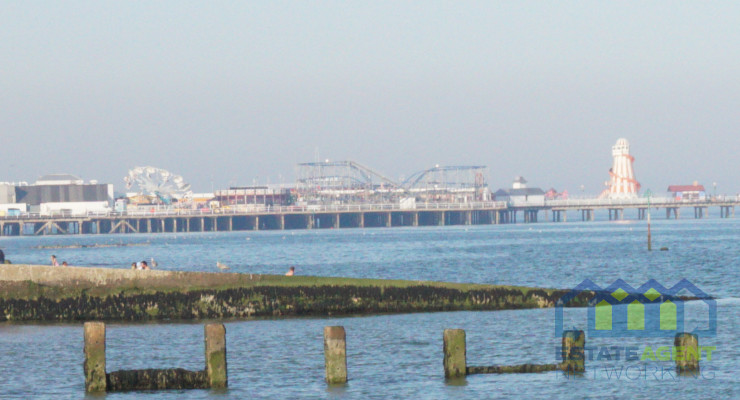
The latest research by estate agent comparison site, GetAgent.co.uk, has found that the risk of flooding is yet to hit house price growth in the majority of areas that are most at risk.
Over the last decade, there have been a number of serious flooding events across the nation. GetAgent.co.uk compiled house price data for the areas marked as the most at risk in England by the Environment Agency, analysing how prices have changed in the last 10 years, and how this compares to the wider areas these locations sit within.
The data shows that in the last 10 years, house prices in England have increased by some 49%. When looking at all areas marked at risk of flooding, house price growth has trailed marginally behind at 47%. However, house price growth in the wider counties in which these flood risk locations are found has only increased at 45% during the same time frame suggesting flood risk areas are outperforming the more local market.
When breaking these flood risk areas down by danger to the number of homes in them, all but one bracket has seen house prices increase at a greater rate than the wider area.
In areas where the total number of properties with a significant likelihood of flooding sits between 2,500 and 5,000, flood hit house prices are up 49% to just 47% across their respective counties.
In areas where the total number of properties with a significant likelihood of flooding sits between 5000 and 7,500, flood hit house prices are up 44% compared to 42% in the wider areas.
Areas where 7,500 to 10,000 properties have a significant likelihood of flooding have seen lower house price growth at 38% compared to 42% across the wider areas over the last 10 years, but those areas most at risk with 10,000 or more homes at risk of flooding have seen prices increase 46% in the last 10 years to just 39% at county level.
However, while all flood risk areas in the list have seen prices increase over the last 10 years, there are some that have trailed behind the wider area when it comes to this level of growth.
North Lincolnshire is the worst affected, with local house prices slumping -16% behind growth seen across Lincolnshire as a whole. East Hertfordshire house prices have trailed growth across Hertfordshire as a whole by -9% in the last decade.
Chichester (-9%), Southampton (-8%), Arun (-8%), Maidstone (-8%), Folkestone and Hythe (-7%), Newark and Sherwood (-7%), Richmond upon Thames (-7%) and Boston (-6%) have also seen some of the lowest rates of local house price growth when compared to the wider area in the last 10 years.
Founder and CEO of GetAgent.co.uk, Colby Short, commented:
“It’s becoming very clear that attempts to protect the nation’s homeowners from more frequent floodwaters are inadequate and more must be done to help those in need safeguard what is likely to be their most expensive asset.
Of course, on a case by case basis, flooding is costing homeowners thousands upon thousands and those worst at risk year in year out will no doubt struggle to sell at a decent price as a result.
However, looking across the nation at the top line, the risk of flooding is yet to dampen house price growth across the majority of these most at risk areas and in fact, house prices in a lot of flood risk areas are climbing at a faster pace than the wider areas they are situated within.
This is no doubt due to a shortage of stock which in some cases leaves us no choice but to build and live in areas that could be a flood risk. When you also consider that many of our major towns and cities are naturally home to more buoyant house prices but are located on or near major waterways, then it makes sense that prices will remain high regardless of the dangers.
Not only this, but waterways are a popular aesthetic draw and can act as selling points that differentiate a property from others in the area and cause the seller to ask for that little bit more when it comes to a transaction.”
|
Flood Risk
|
Average house price in flood risk areas (2019)
|
10 year price growth
|
Average house price in wider county (2019)
|
10 year price growth
|
|
> 10,000
|
£268,131
|
46%
|
£202,256
|
39%
|
|
7,500 – 10,000
|
£194,171
|
38%
|
£236,319
|
42%
|
|
5,000 – 7,500
|
£230,086
|
44%
|
£251,860
|
42%
|
|
2,500 – 5,000
|
£283,320
|
49%
|
£279,450
|
47%
|
|
All
|
264566
|
47%
|
265262
|
45%
|
|
England
|
N/A
|
N/A
|
£247,400
|
49%
|
|
Flood Risk Location
|
Flood Risk House Price (2019)
|
10 Year Price Growth
|
Wider Area
|
Wider Area House Price (2019)
|
10 Year Price Growth
|
Difference in Growth Between Both Areas
|
|
North Lincolnshire
|
£146,411
|
23.32%
|
Lincolnshire
|
£185,616
|
39.61%
|
-16.29%
|
|
East Hertfordshire
|
£387,598
|
63.36%
|
Hertfordshire
|
£396,114
|
71.98%
|
-8.63%
|
|
Chichester
|
£376,961
|
50.41%
|
West Sussex
|
£323,124
|
59.02%
|
-8.62%
|
|
Southampton
|
£208,059
|
47.15%
|
Hampshire
|
£312,545
|
55.29%
|
-8.13%
|
|
Arun
|
£284,319
|
51.01%
|
West Sussex
|
£323,124
|
59.02%
|
-8.01%
|
|
Maidstone
|
£289,938
|
55.95%
|
Kent
|
£293,591
|
63.68%
|
-7.73%
|
|
Folkestone and Hythe
|
£256,301
|
56.40%
|
Kent
|
£293,591
|
63.68%
|
-7.28%
|
|
Newark and Sherwood
|
£184,092
|
32.80%
|
Nottinghamshire
|
£178,363
|
39.95%
|
-7.15%
|
|
Richmond upon Thames
|
£650,883
|
76.20%
|
Greater London
|
£472,524
|
83.25%
|
-7.05%
|
|
Boston
|
£155,233
|
33.15%
|
Lincolnshire
|
£185,616
|
39.61%
|
-6.46%
|
|
Wakefield
|
£150,247
|
19.12%
|
West Yorkshire
|
£158,818
|
25.35%
|
-6.23%
|
|
East Lindsey
|
£179,689
|
33.64%
|
Lincolnshire
|
£185,616
|
39.61%
|
-5.98%
|
|
Enfield
|
£394,057
|
77.51%
|
Greater London
|
£472,524
|
83.25%
|
-5.74%
|
|
Kirklees
|
£150,240
|
20.21%
|
West Yorkshire
|
£158,818
|
25.35%
|
-5.14%
|
|
Huntingdonshire
|
£260,896
|
59.31%
|
Cambridgeshire
|
£293,293
|
64.43%
|
-5.12%
|
|
Carlisle
|
£136,613
|
9.94%
|
Cumbria
|
£157,644
|
14.34%
|
-4.40%
|
|
Runnymede
|
£410,246
|
63.62%
|
Surrey
|
£440,349
|
65.02%
|
-1.40%
|
|
Derby
|
£160,703
|
33.98%
|
Derbyshire
|
£178,692
|
35.05%
|
-1.07%
|
|
Teignbridge
|
£246,983
|
34.44%
|
Devon
|
£261,571
|
34.98%
|
-0.54%
|
|
East Devon
|
£289,509
|
35.05%
|
Devon
|
£261,571
|
34.98%
|
0.07%
|
|
Canterbury
|
£301,136
|
63.77%
|
Kent
|
£293,591
|
63.68%
|
0.09%
|
|
Swale
|
£249,812
|
64.77%
|
Kent
|
£293,591
|
63.68%
|
1.09%
|
|
Calderdale
|
£146,943
|
26.75%
|
West Yorkshire
|
£158,818
|
25.35%
|
1.40%
|
|
Hartlepool
|
£108,739
|
-0.48%
|
County Durham
|
£102,350
|
-2.39%
|
1.92%
|
|
City of Kingston upon Hull
|
£113,061
|
28.61%
|
East Riding of Yorkshire
|
£179,831
|
26.28%
|
2.33%
|
|
Merton
|
£507,900
|
87.00%
|
Greater London
|
£472,524
|
83.25%
|
3.75%
|
|
Spelthorne
|
£366,490
|
69.69%
|
Surrey
|
£440,349
|
65.02%
|
4.67%
|
|
Sedgemoor
|
£227,492
|
42.25%
|
Somerset
|
£235,535
|
36.31%
|
5.93%
|
|
Leicester
|
£175,233
|
54.69%
|
Leicestershire
|
£230,434
|
48.53%
|
6.16%
|
|
Elmbridge
|
£586,050
|
71.34%
|
Surrey
|
£440,349
|
65.02%
|
6.32%
|
|
Exeter
|
£258,289
|
41.42%
|
Devon
|
£261,571
|
34.98%
|
6.43%
|
|
Nottingham
|
£144,284
|
46.39%
|
Nottinghamshire
|
£178,363
|
39.95%
|
6.44%
|
|
South Lakeland
|
£239,019
|
21.53%
|
Cumbria
|
£157,644
|
14.34%
|
7.19%
|
|
Gedling
|
£187,434
|
47.43%
|
Nottinghamshire
|
£178,363
|
39.95%
|
7.48%
|
|
Erewash
|
£164,643
|
43.03%
|
Derbyshire
|
£178,692
|
35.05%
|
7.98%
|
|
Leeds
|
£185,628
|
36.42%
|
West Yorkshire
|
£158,818
|
25.35%
|
11.07%
|
|
Stockton-on-Tees
|
£135,678
|
10.76%
|
County Durham
|
£102,350
|
-2.39%
|
13.16%
|
|
Oxford
|
£407,964
|
69.43%
|
Oxfordshire
|
£350,416
|
54.13%
|
15.30%
|
|
North Somerset
|
£264,776
|
52.87%
|
Somerset
|
£235,535
|
36.31%
|
16.56%
|
|
York
|
£255,724
|
47.18%
|
North Yorkshire
|
£220,987
|
26.12%
|
21.06%
|
|
Waltham Forest
|
£431,537
|
110.57%
|
Greater London
|
£472,524
|
83.25%
|
27.32%
|

You May Also Enjoy
Section 21 reform divides landlords and tenants

70% of landlords anticipate rent rise due to Autumn Budget

Estate agent earnings fails to keep pace with inflation

Southern landlords face up to £22,000 tax hit
Corporate landlords cautiously optimistic after first six months of RRA