Grass Types and Striping Suitability: Choosing the Right Turf for a Striped Lawn
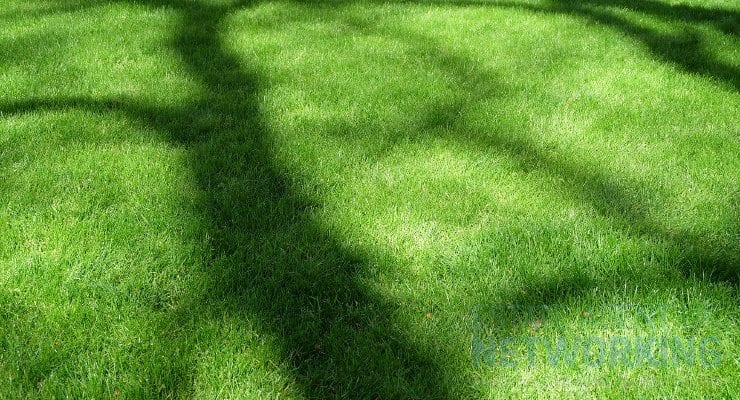
A beautifully striped lawn is one of the most visually satisfying features of any garden. Those alternating light and dark lines, extending across the grass like an emerald barcode, elevate even the simplest outdoor space into something that looks expertly maintained. Yet, as many gardeners quickly discover, not all lawns produce stripes with the same ease or clarity. What often goes overlooked is that the grass type itself—its texture, growth habit, and flexibility—plays a huge role in determining how well a lawn will take to striping.
The secret behind lawn stripes lies in how light reflects off the blades of grass after they have been bent in different directions by a mower or roller. This illusion depends heavily on how the individual blades respond to pressure. Some grass varieties bend easily and stay in position long enough to reflect light consistently, while others spring back quickly or resist bending altogether. These small differences at the plant level translate into a major visual impact across the surface of a lawn.
Cool-season grasses tend to perform best when it comes to producing clean, defined stripes. These grasses are common in temperate climates, including much of the UK, and include species such as perennial ryegrass, fescue, and bentgrass. Each of these has a fine texture and flexible blades that bend readily under the weight of a roller. Perennial ryegrass, in particular, is favoured in many high-end gardens and sports turf applications not only for its rapid germination and durability but also for its exceptional response to mowing patterns. The blades hold their direction well after mowing, and the contrast between passes is usually clear and long-lasting.
Fescues, including both red fescue and chewings fescue, offer another excellent option for striping. They produce a fine-leafed sward and grow densely, which helps reflect light more uniformly across the lawn. These grasses are often chosen for ornamental lawns where aesthetics matter as much as durability. Their slow growth means fewer mowing sessions are required, and their ability to thrive in shaded conditions adds to their appeal for homeowners dealing with dappled gardens. Bentgrass, while more commonly used on golf greens due to its very fine leaf and dense growth habit, also produces crisp striping patterns when maintained with precision.
On the other hand, some grasses are simply less suited to striping, no matter how skilled the gardener or advanced the mower. Coarser, warm-season grasses like Bermuda or zoysia, which are more common in southern climates, tend to have thicker, stiffer blades that are harder to bend. While it is possible to produce stripes on these lawns, the effect is generally more subtle and may fade quickly, especially in dry or compacted conditions. Moreover, these species tend to grow more horizontally and recover from compression more quickly, which works against the visual effect created by rolling.
The health of the lawn—regardless of species—also plays a key part in how well it stripes. Grass that is sparse, stressed, or patchy will not only show uneven patterns but may also suffer from the repeated directional mowing that striping requires. For a lawn to reflect light in a uniform way, it needs to have consistent colour, density, and leaf blade length across its surface. This means that preparation tasks like overseeding, feeding, watering, and aerating are just as important as the mowing technique itself.
Seasonality affects the impact of striping as well. Cool-season grasses tend to show better contrast in spring and autumn, when growth is strong, colours are rich, and the turf is less likely to be stressed by heat or drought. In the height of summer, even high-performing species may lose some of their striping clarity if the lawn is under moisture stress or if mowing is done too short. Grass cut too low will not bend as dramatically, and the visual difference between stripes is reduced. Allowing a slightly higher mowing height, especially on stripe-friendly species like ryegrass, enhances the visibility and longevity of patterns.
There’s also the matter of turf blends. Many lawns are not composed of a single grass species but rather a mix, chosen for performance under specific conditions such as sun exposure, foot traffic, or shade. Blends that include a high proportion of fine fescues and ryegrass are most likely to produce reliable striping, provided the dominant species responds well to bending and reflects light in a consistent way. However, if a turf mix includes more upright or coarse species—like meadow grass or certain drought-resistant cultivars—the overall stripe quality may suffer. That’s why it’s important to check the seed mix when establishing or renovating a lawn. If creating a striped effect is a priority, choosing a mix designed with that outcome in mind makes a noticeable difference.
Mower type also influences how grass species respond to striping, particularly when combined with a rear roller. Cylinder mowers, which cut using a scissor-like action and often include a full-width roller, produce the sharpest striping results, especially on fine-textured grasses. Rotary mowers with integrated rollers or added striping kits can also produce good results, though they may not achieve the same level of definition. The choice of mower should always align with the characteristics of the turf. Ron Smith offers a range of mowers suitable for homeowners and professionals alike, including cylinder and rotary models that cater to different grass types and striping ambitions.
Environmental conditions such as soil quality, slope, drainage, and sun exposure also play subtle but important roles. Grass growing on uneven or compacted ground may not reflect light uniformly, leading to stripe distortion or blotchy patterns. Similarly, shaded areas may produce duller contrast because of lower light levels and slower grass growth. In these cases, choosing a shade-tolerant fine fescue blend can make a surprising difference in overall striping quality.
Ultimately, achieving perfect lawn stripes begins with selecting the right grass for your garden’s climate, conditions, and intended use. A lawn grown from the right species—or a well-balanced blend—is far more likely to respond predictably to mowing, offer better visual impact, and retain stripes for longer between cuts. The beauty of this lies in its subtlety. Striping isn’t just a cosmetic technique applied after the fact. It’s the result of matching biology to practice, choosing the right foundation, and building the aesthetic from the soil up.
Once you understand how different grasses behave, creating beautiful stripes becomes far less a matter of guesswork and far more a matter of applied knowledge. With each pass of the mower, you’re not just tending the lawn—you’re working with the natural structure of the plant, the way it responds to light and pressure, and how it reflects the care invested in it.

You May Also Enjoy

Gap between house prices and earnings narrows

New Scheme Could Double Solo Buyer New-Build Options

Annual house price growth halves in September

Homesellers say valuation appointment is key
London’s rental market bucks the national trend