


Housing market trends highlight a changing landscape
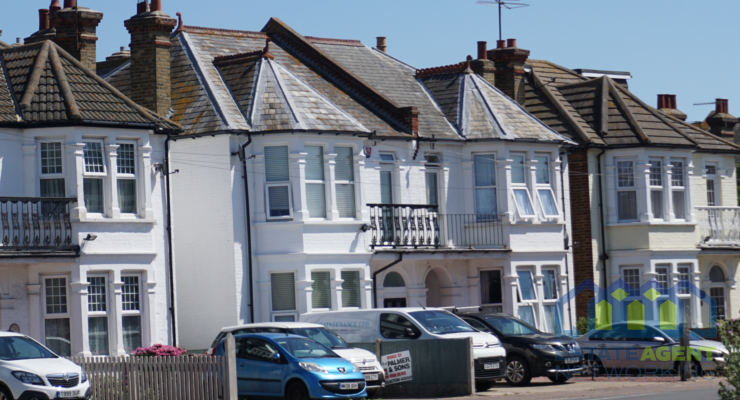
The housing market has seen many challenges across the year to date and, in many ways, the property landscape has been a year of two extremes already.
At the start of the year, there was a quiet but optimistic consumer confidence in the air.
However, with the global economy impacting almost every aspect of our domestic fiscal position, many people who may have been considering a potential house move have found themselves reassessing their overall situation and, rightly, taking important financial decisions with an added degree of caution.
The overall outcome has, in some cases, contributed to a more fragmented housing market for those who are both renting and buying, on a region-by-region basis.
Some areas have continued to thrive, while others have seen the impact of a more volatile regional economic ecosystem.
Propertymark member agents operating on the ground in specific regions have been noticing interesting trends developing among both buyers and those who choose to rent.
Avoid setting overly ambitious prices
For Sarka Wilde, who sells properties in North Oxfordshire and the North Cotswolds, the property market across those two areas remained active in July, although buyers continued to be selective and increasingly price-conscious.
“Across Chipping Norton, Moreton-in-Marsh, Stow-on-the-Wold, Shipston-on-Stour, Banbury and the surrounding villages, the market continues to be very property-specific.
“There are buyers actively looking, but they have considerably more choice than during the exceptionally strong markets of previous years. Properties which are well presented, in good locations and priced correctly from the outset are still attracting interest and selling.
“Properties which come to market at an ambitious price are finding conditions considerably more difficult,” Sarka explained.
She added: “The market below approximately £500,000 remains comparatively resilient, particularly for good family homes and properties appealing to first-time buyers and movers with established equity.
“For sellers considering coming to market, concentrate less on achieving the highest possible asking price and more on establishing the correct marketing strategy and price from the outset.
“For buyers, the current market offers greater choice and, in some cases, greater negotiating opportunity. However, desirable properties which are realistically priced can still generate strong interest,” Sarka concluded.
Demand sensitivity in East Anglia
Ian Harris, NAEA Propertymark President, also reflected that activity in the East Anglian market is currently quiet and that there is now demand sensitivity due to interest rates, which have impacted mortgage-dependent markets.
“There is widely reported price sensitivity, with correctly priced properties selling well, sometimes with more than one interested buyer, whilst anything overpriced, even by a small amount, is struggling to attract interest. This is the result of a strong supply of available stock, buyers being well researched, and a general attitude among buyers who are unwilling to overpay for anything,” according to Ian.
Impact of the Renters’ Rights Act across England
Ever since the implementation of the Renters’ Rights Act started to take effect from May 2026, Ian noted that: “The emerging trends are noticeable, such as landlords issuing Section 21 notices to sell their rental properties prior to the introduction of the Renters’ Rights Act.”
Kim Lidbury, ARLA Propertymark President and a letting agent based in London, has noticed the impact the Renters’ Rights Act has had on the market.
“Many non-UK-based residents have been struggling to find property because they can no longer pay upfront since the Renters’ Rights Act became law.
“Market appraisals are down year-on-year, and in London specifically, there has been a reduction in properties being relet due to them not being worth as much as they were only a few years ago,” Kim said.
Optimism in the North West
For Stuart Matthews, however, who sells properties in parts of the North West, such as Bolton, the property market provides a different story.
“With an average property price less than half that of London, the region remains significantly more accessible to buyers.
“There are several reasons why the North West continues to attract demand; relative affordability, employment opportunities, infrastructure investment and the continued development of Manchester and the wider regional economy all contribute to its appeal.
“For buyers, particularly first-time buyers and those looking to move up the ladder, the North West offers considerably more property for their money.
“For buyers and sellers in the North West, the current market provides some genuine reasons for optimism. And while London remains one of the world’s most important property markets, the latest figures suggest that the traditional assumption that the South will always outperform the North is becoming increasingly difficult to sustain,” Stuart concluded.

You May Also Enjoy

Leasing demand rises across all sectors

Don’t Put The Property Market On Pause

Before You Sign: 10 Things Home Movers Wish They Knew

Property expert warns homeowners to lock in amid mortgage rates uncertainty

Damp and mould online searches rise by 34%