How Technology is Transforming the Rental Market for Landlords
The property industry plays an important role in society, from helping people find new homes and commercial premises for businesses to significantly contributing to the UK economy. However, despite its importance, it can be a frustratingly time-consuming experience for buyers, sellers, renters and landlords. From lengthy turnaround times for contracts to how long it can take to find a buyer, there is no doubt the property market could do with some modernisation.
Thankfully, landlords and estate agents are moving with the times and embracing digital technology to streamline their processes. So, let’s explore just how technology is transforming the property industry.
Accounting and bookkeeping
For landlords, few tasks take up quite as much of their time as accounting, bookkeeping and the admin that goes with them. But there are now some really useful accounting tools out there, such as Xero’s MTD for landlords property income, to help take the pain away from managing your finances
From automatic invoice generation and automated rental payments to keeping tabs on your incomings and outgoings, you no longer have to rely on a complicated spreadsheet or an overwhelming number of folders to stay on top of accounting and bookkeeping.
Examples of accounting and bookkeeping software for landlords:
- Landlord Vision
- FreeAgent
- Quickbooks
Electronic signatures and contracts
Paperwork has a significant bearing on your productivity and as the property market looks to go digital, landlords can take advantage of electronic signatures and contract generation. No longer is there the need to manually type up each rental contract or renewal as landlords can automate this process to save valuable time.
There is also the bonus of speeding up the entire process as you no longer have to pass physical contracts around from one party to another. Electronic signatures are 100% legally binding, leave a full audit trail and ultimately save time and money.
Instead, a digital contract can be emailed in an instant, helping you to secure a tenant to a new contract in a matter of hours versus what may previously have taken days. But while it is great to lean on technology, landlords must be careful of the information they are passing around digitally.
Combating the increasing security risks
There is no doubt that the more landlords and property professionals lean on technology to streamline their processes, the more they will become a target for hackers and scammers. Given the sensitive information property industry professionals are privy to, it’s easy to see why a hacker might target them.
From the important financial and personal information involved in the completion of a contract to the large sums of money involved in transactions, estate agents need to have their wits about them at all times. It is the nature of operating in the digital age but thankfully there are many measures estate agents can take to ensure they protect the interests of their clients’ precious data.
With the threat landscape constantly evolving, it’s important to ensure that estate agents are proactive in the hunt for cyber threats. From complying with GDPR principles to shoring up communications, here are some of the key ways estate agents can improve their cybersecurity:
- Good password management – changing regularly and using at least 14 characters
- End-to-end encryption for communications
- Multi-factor authentication
- Up-to-date virus protection
- Updating software versions whenever they become available
- Cybersecurity training for all staff
Take control of your maintenance schedule
For now, landlords can’t rely on a robot handyman to complete the maintenance tasks around their properties but maybe we’ll get there someday. However, embracing autonomy can improve your maintenance scheduling, ensuring your buildings remain safe, compliant and in perfect working order for your tenants.
There are two main ways that technology can help landlords improve the maintenance processes within their properties: managing their schedule and tenant requests.
Property management software offers landlords the capability of creating a maintenance schedule for each of their properties that will remind them and help organise their calendars accordingly. That same software can also help improve relations between landlords and tenants as they create maintenance requests with visual references direct to your property management tool.
Generating property descriptions through AI
Not everyone who sells or rents a home is blessed with the ability to showcase a property’s features in written form. But, an online property description is essential to maximise the number of viewings and potential renters or buyers you can attract.
A property description is not only informative but also helps answer some of the questions a potential viewer might have that are not obvious from pictures, videos and a floorplan – such as what the local area is like or parking arrangements. But if writing doesn’t come naturally to you, or you are worried it will be filled with spelling and grammar errors, automation tools are at hand.
One of the biggest news events in AI in recent times is the emergence of ChatGPT, a conversational chatbot that can generate accurate and informative responses. This offers real opportunities for property managers. Text generation tools like this can help create a property description for someone who is not a natural to creative copy, as well as assisting with ongoing communications between landlord and tenant communication.
Smarter homes
Landlords looking to appeal to the rental market must adapt to the changing demands of the industry. Naturally, people want to save money and in the wake of a financial crisis and increased cost of living, tenants want value for money from their rental homes. More attractive proposals for renters include smart home technology that allows for greater control of their bills and improved safety.
Smart meters, for instance, allow for an instant reading of a tenant’s utility usage, helping them budget better and more accurately. These meters also help landlords figure out how much to charge when bills are included in the rental agreement as they can directly track the cost and usage of their tenant’s energy.
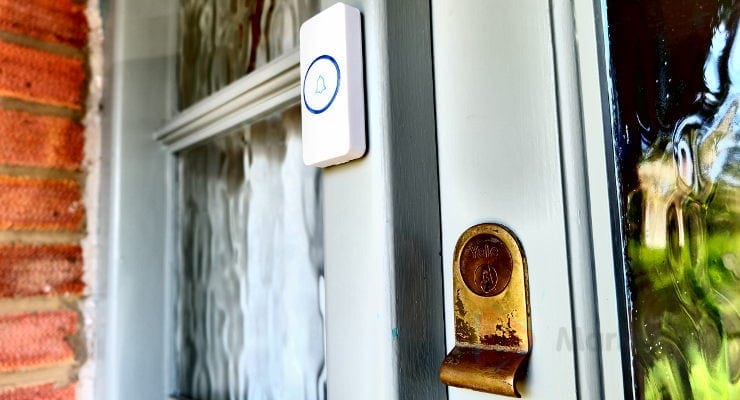
Smart locks are another useful technology to introduce to a rental property, particularly if you operate short-term lets or multi-let properties. Rather than worrying about the comings and goings of people, and the whereabouts of your keys, smart locks allow for keyless entry and when one tenant moves out you simply change the passcode.
How to embrace technology as a landlord
Perhaps the most time-saving technology you can invest in as a landlord is property management software. This is a versatile digital tool that allows you to control everything from your accounts and finances to managing tenant relationships and maintenance schedules.
Many property management software companies offer trial periods to let you choose the best option for the way you run your property portfolio. That might be a software tool that gives you full control or one that lets you hone in on certain aspects – there are hundreds to choose from.

You May Also Enjoy

We’ve got the visitors. Now we need your listings.

Housing market hit by £18m increase in fall-through costs in Q2 2026

More than half of ‘Mumlords and Dadlords’ give rent back to help children buy their first home

The First-Time Buyer Reality Shock
£50k hit when climbing the property ladder