The Compliance Curve: Meeting Landlord Safety Standards Through Smart Heating Upgrades
In today’s rental market, compliance isn’t just about ticking boxes — it’s about protecting investments, safeguarding tenants, and staying ahead of fast-evolving regulations. For landlords across the UK, particularly those managing older housing stock, staying compliant has become a strategic exercise in property value preservation.
Among the many areas demanding attention, heating systems stand out as both a regulatory requirement and a practical way to improve tenant satisfaction.
As energy-efficiency targets tighten and tenant expectations rise, landlords and estate agents are realising that smart heating upgrades aren’t just optional — they’re essential for long-term compliance and competitiveness.
Understanding the Compliance Landscape
Over the last decade, the UK government has rolled out a series of regulations aimed at making rental homes safer and more energy-efficient. From annual Gas Safety Certificates to minimum EPC (Energy Performance Certificate) ratings, landlords are now accountable for both tenant safety and environmental performance.
The key compliance areas tied to heating include:
- Gas Safety (Installation and Use) Regulations 1998: Requiring landlords to have annual inspections of all gas appliances and flues by a Gas Safe-registered engineer.
- The Energy Efficiency (Private Rented Property) Regulations 2015: Setting minimum EPC ratings for rented properties (currently E, moving toward C in future proposals).
- Building Regulations Part L: Governing energy efficiency standards in new and existing buildings.
Failure to comply doesn’t just risk fines — it can also limit a landlord’s ability to rent out a property legally. As legislation tightens, staying compliant increasingly overlaps with upgrading outdated systems.
Heating Systems at the Heart of Compliance
Heating and hot water systems are the single largest energy consumers in most homes. According to the Energy Saving Trust, around 55% of home energy use goes toward heating. That makes them central to both safety and energy-performance regulations.
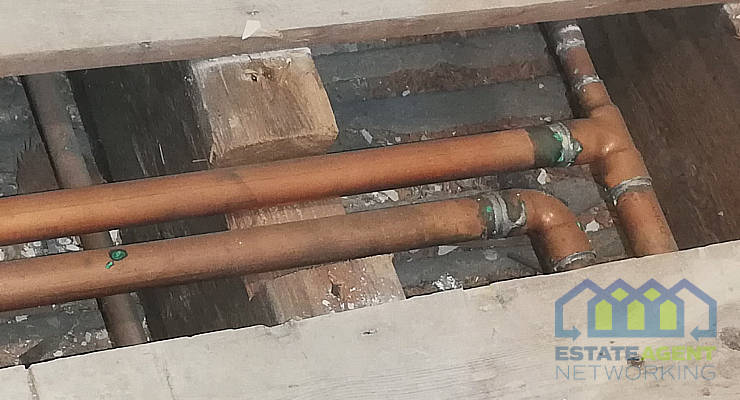
An ageing boiler not only risks breakdowns and safety issues like carbon monoxide leaks — it also drags down a property’s EPC rating. In contrast, modern heating systems can dramatically improve compliance scores while reducing tenant complaints and energy costs.
For landlords managing multiple units, proactive heating upgrades translate into less time coordinating emergency repairs and fewer regulatory headaches during inspections.
Bridging Compliance and Comfort Through Smart Upgrades
The next wave of property compliance is about convergence — where safety, efficiency, and sustainability meet. Smart heating systems now make it possible for landlords to monitor performance, schedule maintenance, and even detect faults remotely.
Upgrading isn’t just about installing new tech; it’s about future-proofing assets. Systems with programmable thermostats, smart controls, and A-rated boilers help achieve both energy targets and tenant comfort benchmarks.
For landlords in older urban properties — where heating inefficiency is common — the shift toward energy-efficient boiler replacement offers one of the most direct paths to meeting compliance standards while reducing ongoing costs.
New A-rated boilers use advanced condensing technology to recover heat that would otherwise be lost through exhaust gases, achieving efficiencies of over 90%. Over the lifespan of a property, this adds up to lower bills, higher EPC scores, and stronger appeal to both tenants and buyers.
The Economic Case: Turning Compliance into Value
Compliance upgrades can feel like a burden, but smart landlords view them as long-term value plays.
A well-documented boiler replacement or heating system upgrade not only satisfies inspection requirements but also provides a tangible ROI when:
- Selling the Property: Homes with recent heating upgrades command higher asking prices and stand out on listings.
- Re-Letting: Energy-efficient homes attract better tenants and reduce void periods.
- Managing Portfolios: Standardising modern heating systems across units cuts maintenance costs and simplifies compliance management.
Data from the UK Green Building Council suggests that energy-efficient properties achieve rental premiums of 5–10% in some areas, particularly when accompanied by strong EPC ratings and safety certifications.
Future Regulations on the Horizon
The pace of change in housing compliance is accelerating. The government’s ongoing focus on decarbonisation means heating systems will face increasing scrutiny in the next decade.
- Proposed EPC targets: Landlords may soon need to meet a C rating by 2028 for new tenancies, and by 2030 for all existing ones.
- Boiler phase-out discussions: The roadmap toward low-carbon heating (including heat pumps and hydrogen-ready boilers) is already shaping future property requirements.
- Data-driven compliance: Expect digital maintenance logs and smart monitoring tools to become standard.
Landlords and estate agents who act now — by upgrading to compliant, efficient heating systems — won’t just avoid penalties; they’ll position themselves as forward-thinking and market-ready.
Estate Agents as Compliance Partners
Estate agents play an increasingly advisory role in helping landlords navigate these standards. Whether assisting with letting certifications, coordinating safety checks, or recommending upgrade partners, agents who understand the compliance curve gain a competitive advantage.
By integrating property compliance checks into routine management — including annual gas servicing and periodic heating audits — agents not only protect client assets but also build long-term trust.
Some forward-looking agencies even promote “compliance readiness” as part of their property marketing, highlighting recent upgrades and green credentials as selling points.
Practical Steps for Landlords and Agents
- Audit Your Heating Systems: Start with an annual review of boiler age, service records, and EPC data.
- Plan for Upgrades Early: Don’t wait for failure — align upgrades with tenancy cycles to reduce disruption.
- Keep Clear Documentation: Store Gas Safe certificates, EPC reports, and maintenance logs digitally.
- Partner with Certified Installers: Always use accredited professionals for any heating work or replacement.
- Leverage Smart Tech: Adopt systems that provide remote monitoring and fault alerts to stay ahead of safety risks.
Staying Ahead of the Curve
Property compliance is no longer a reactive process — it’s a proactive, strategic investment. By focusing on safe, smart, and sustainable heating systems, landlords and estate agents can simultaneously meet regulations, lower operational costs, and enhance tenant satisfaction.
Smart heating upgrades, particularly efficient boiler replacements, represent one of the simplest yet most impactful ways to bridge compliance with comfort. In an increasingly regulated rental landscape, the most successful property professionals will be those who turn compliance into competitive advantage — not by doing the bare minimum, but by future-proofing their assets today.

You May Also Enjoy

Gap between house prices and earnings narrows
New Scheme Could Double Solo Buyer New-Build Options
Annual house price growth halves in September

Homesellers say valuation appointment is key
London’s rental market bucks the national trend