Lockdown rental stock shortage will see rents and deposits climb
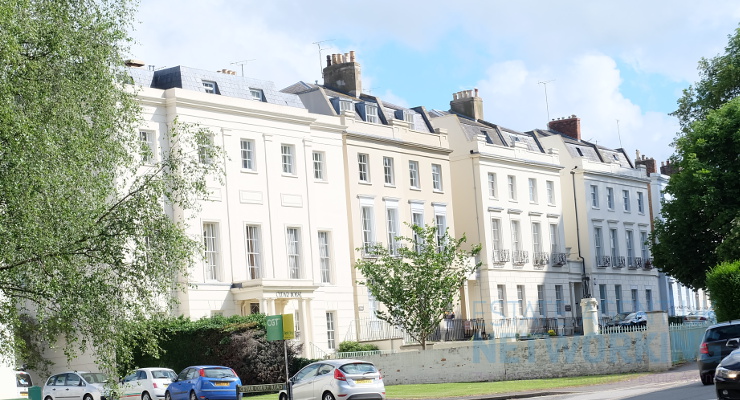
Research by rental deposit replacement scheme, Ome, has highlighted how a lockdown reduction in rental stock entering the market could result in higher rental and deposit costs for UK tenants.
Ome investigated the percentage of buy to let mortgage loans approved over the last five years as a percentage of all loans. The figures from the Financial Conduct Authority show that the number of landlords entering the market with new stock has slowly declined every year since 2015 with an average annual drop of -1%.
At the same time, the value of the buy to let market has also diminished at an average annual rate of -1% a year, now worth £35,661m compared to £37,424m in 2015.
Despite a declining level of stock entering the market, there has been growing demand which has seen the average UK rent climb by an annual average of 4% each year since 2015, now at £743 a month compared to £627 in 2015. The average cost of a rental deposit has also increased at an average rate of 3% each year over the last five years.
A similar increase this year would see the average rent hit £776, while the average deposit would reach almost £900 despite the recently introduced five week deposit cap. However, Ome predicts that any lasting reduction in rental stock due to the current pandemic could result in a much larger increase in cost for UK tenants in the long term.
|
United Kingdom
|
2015
|
2016
|
2017
|
2018
|
2019
|
Average Annual change
|
|
Buy to let (% of gross advances)
|
16.81
|
16.04
|
13.43
|
13.02
|
12.96
|
|
|
change
|
-0.76%
|
-2.62%
|
-0.40%
|
-0.07%
|
-1%
|
|
|
Buy to Let VALUE – £millions
|
37,424
|
40,129
|
35,182
|
35,731
|
35,661
|
|
|
change
|
7.2%
|
-12.3%
|
1.6%
|
-0.2%
|
-1%
|
|
|
Average rent
|
£627
|
£643
|
£656
|
£677
|
£743
|
|
|
change
|
2.6%
|
1.9%
|
3.2%
|
9.8%
|
4%
|
|
|
Average Deposit
|
£758
|
£766
|
£777
|
£790
|
£858
|
|
|
Change
|
1.1%
|
1.4%
|
1.7%
|
8.6%
|
3%
|
|
|
Sources
|
||||||
|
Lending statistics – Buy to Let
|
||||||
|
Average private rent statistics
|
||||||
|
England
|
||||||
|
Wales
|
||||||
|
Scotland
|
||||||
|
Northern Ireland
|
||||||

You May Also Enjoy

Breaking Property News 27/10/26

35% of UK homes are in postcode areas where house prices are falling

Budget wishlist

Autumn Budget 2026: Property industry experts comment

5 Renovations That Can Transform a Property Before It Goes on the Market