Make Sure to be Secure: Things to Know about CCTV Home Security System
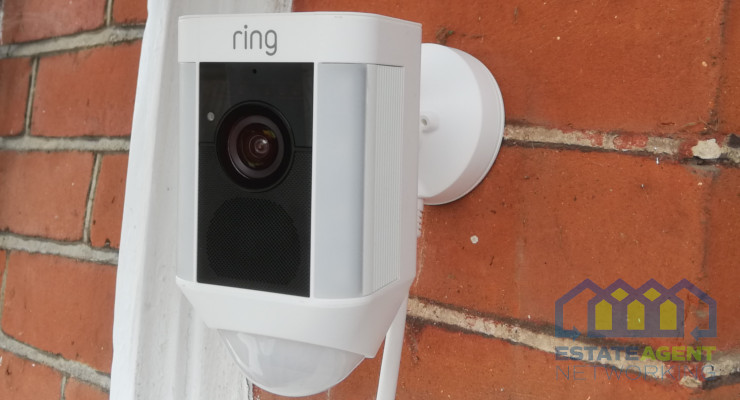
Nowadays, most CCTV cameras are capable of 4 MP, 5MP or 1080p HD recording, motion detection, remote access, and push notification via phone applications. What else are the other things you need to make sure before being secured?
Lenses
Choosing the correct lenses ensures quality images. Right lenses allow cameras to focus, generate enough light to the camera sensor, recognize faces, read vehicle registration plates, and many more. The more detail a camera perceives, the better reference it can give.
It is recommended to opt for zoom lenses. Cameras with these lenses can give clients more information due to its optical zoom, the ability to adjust the light as it reaches the sensor, and flexibility to generate enhanced images.
Sensors
Finding the right sensors include taking note of these two factors: type and size. Be enlightened with a complementary metal oxide semiconductor (CMOS) and charged coupled device (CCD) cameras, in which the latter is more expensive since it produces more explicit pictures. Check out Simplisafe system reviews of their cameras.
Output Resolution
Higher pixels means better pictures. 700 TV Lines (TVL) is the highest resolution one can get. Other mainstream cameras have resolutions ranging between 300-550 TVL. Do not be excessive. Make sure to match a resolution that your camera can generate. Too much is unnecessary.
Discreet vs. Visual Deterrent Cameras
Dome cameras are smaller in size, so they are more discreet. They are compact cameras that are ideal for monitoring greater premises like your front or back garden, which will allow you to follow movements with ease.
On the other hand, box cameras give a clear sign for any person who will pass by. These cameras are noticeable that everyone will know that they are being recorded on CCTV cameras. Consequently, it can be a great deterrent of crimes, specifically theft.
Indoor vs. Outdoor Cameras
There are plenty of things you need to consider when deciding what equipment to mount indoor and outdoor your house. Other realizations like how cameras should be housed and mounted, and whether they are in best places that ensure protection will arise, as well.
If cameras are placed indoors, make sure that it will not be influenced with the steam or grease from the kitchen. If they should be outside, ensure that they are weatherproofed and robust enough to persist from other environmental hazards.
Light Conditions
Lighting differs throughout the day; regardless cameras are inside or outside. It is recommended to test various cameras models to see what functions best in your area. You may also check any backlighting and reflections at daytime and night.
Image Clarity
If placed in small areas, cameras do not need to be of high resolutions. For broader coverage, CCTV camera should coincide on how vast a landscape is so it can provide clearer and more useful footage, though.
Audio
Audio is not a necessity unless you opt for systems in which you can communicate with the burglars, or friends, family members, and relatives. Also, it is an excellent way to deter criminals through playing something at the same time as intruders break in, making them ponder that there are people inside the house.
CCTV equipped with audio systems is ideally useful when homeowners are away. Like any other recording equipment, this will help them to take essential footage to determine criminals, and of course, secure justice.
Troubleshooting
For fuzzy cameras, re-focus lens. First, locate the focus ring on your camera. Turn it until the image will adjust and become sharper. If there are no focusable lenses on the camera, then you need to get it fixed or replaced by your manufacturer or provider.
For excessive grainy pictures, infrared videos are of lower quality than daytime videos. Hence, it is natural that images from your CCTV cameras to be like this; however, if you find it too much, then you need to take actions.
Power interference, malfunctioning digital video recorder (DVR) or poorly terminated cable are common reasons for this. See to it that no video cables are running alongside power cables. There must be a gap between the two wires. Finally, make sure that all connections between the DVR and the cameras are all secured.
For poor vision at night, check if your infrared light emitting diodes (IR LED) are on at nights. If not, you can add standalone infrared illuminator to provide lightings for your security cameras at night.
Takeaway
There are two significant things you need to follow. First, choose a camera with a 2.8-12mm zoom lens, either manual or motorized, if the viewing area is 40-180 away from the location of the camera. Lastly, opt for a camera with night vision that is no more than twice the expected viewing distance.
Author’s Bio

Tyler Pack is a real estate consultant and journalist, with a passion for smart homes technology. He is keen on writing about home and property security, and cybersecurity.

You May Also Enjoy
Residential projects remain under pressure

Homebuyers hold tight ahead of Autumn Budget

House price growth accelerates in Q2

House prices hold steady despite impact of higher interest rates

Breaking Property News 5/10/26