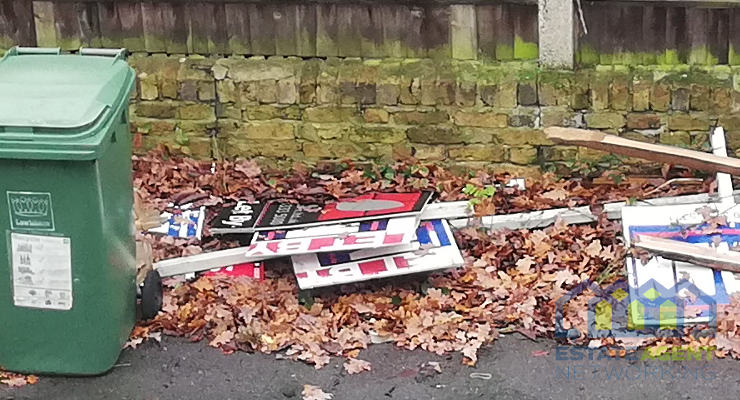
Pros and Cons of Leaflet Distribution for Estate Agents
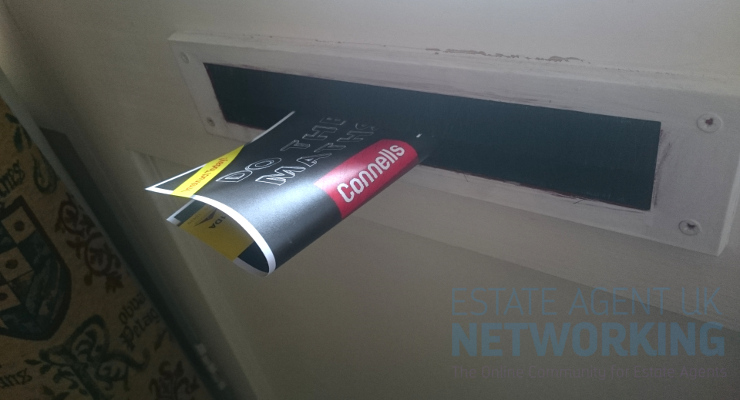
In this digital age, paper can appear dated and old-fashioned. People get their news online, read books on ereaders and browse estate agent websites and property portals to find their new dream home.
With so many people choosing to get their info on the internet, is there still any benefit in door-to-door leaflet distribution for estate agents, or is it just a waste of time, money and paper?
We believe there most definitely is still a need for door-to-door leaflet distribution but, like everything, there are advantages and disadvantages, so we’ll have a look at some of the pros and cons of leaflet distribution for estate agents below.
The pros of leaflet distribution for estate agents
Leaflet distribution is cost effective
Compared to other forms of advertising such as print, radio, television or digital, leaflet distribution is as cheap as chips (although, saying that, have you seen the price of chips these days? Shocking.)
Your business is literally in the palm of their hands
When your estate agency’s flyer or leaflet comes through someone’s door, they have no choice but to at least glance at it. No other marketing method can guarantee such full attention – after all, newspapers and magazines get flicked through without much notice taken of ads, television ads get ignored in favour of Facebook and we’re so used to online ads now we don’t even notice them, or our adblockers mean we don’t even see any ads online in the first place.
If a leaflet had a face, it would be a smug one.
Leaflets target specific demographics
It may cost you nothing to advertise a £10million mansion on your own website but will the right people see it? That mansion may well get tens of thousands of hits but most of those will be from people in tiny terraced houses simply having a nose and saying ‘ooh’ a lot.
With leaflet distribution, you can target the specific people you want to see that £10million mansion by leafleting houses in affluent areas.
Leaflet distribution also allows you to target those who don’t go online often, if ever, such as the elderly.
Although we’re by no means saying the elderly aren’t internet-savvy, a study by Age UK revealed that 4.2 million people aged 65+ have never used the internet. That’s a lot of people.
Therefore, if you want to get your message across to the older members of the community, you can drop your leaflets in areas where there’s a large population of older people (top tip: look for bungalows. Old people love bungalows.)
On a real micro-level though, if you’ve got potential buyers looking for properties in certain streets, guess what’s the best way to reach people in those certain streets? Yep, leaflets.
The cons of leaflet distribution
Although there are plenty of advantages of leaflet distribution for estate agents, there are downsides too. The good news is there aren’t as many downsides as upsides, but let’s have a look at a few disadvantages of leaflet distribution for estate agents.
They can make your business look unprofessional
Typo’s. Appostrophes in the wrong place. A design that looks like you got your next-door-neighbour’s nephew’s goldfish to design it in Microsoft Paint. Shudder.
Not only will that badly-spelled, badly-designed leaflet go straight into the recycling bin, it’ll also put off whoever was unlucky enough to pick up that leaflet from your business forever. If you’re really unlucky, they’ll stick a photo of your typo-laden leaflet on their Facebook page for all their pedantic grammar-Nazi friends to laugh at too.
Don’t say you weren’t warned.
Leaflets can get put immediately in the recycling bin
Although we said above that residents who receive a leaflet through their door have your business literally in the palm of their hands, unfortunately, that doesn’t mean your professionally-designed, carefully-worded and proofread leaflet won’t go immediately from their hand into the recycling bin.
Some people just don’t like unsolicited pieces of paper coming through their door. Not even pizza menus. Crazy, we know, but true.
However, if you don’t want your leaflets to end up in the recycling bin, here’s an article with some tips on how to avoid your leaflets being binned.
Leaflets don’t have a long-term impact
Even if your leaflet doesn’t go immediately into the recycling bin and the recipient takes the time to consider whether your leaflet is of value to them or not, if what you’re trying to sell them on your leaflet isn’t of interest to them at that specific time, then it’s probably going to go into the recycling bin.
Unlike the pizza menu, which they might keep for another time.
Is leaflet distribution for estate agents an effective marketing tool?
As you can see from the above, there are pros and cons of leaflet distribution for estate agents. On the whole though, leaflet distribution is still a valid and effective marketing tool and one that should be carefully considered along with digital methods.

You May Also Enjoy

Budget wishlist

Autumn Budget 2026: Property industry experts comment
5 Renovations That Can Transform a Property Before It Goes on the Market

Seven things to do if a tree damages your property

Leasing demand rises across all sectors