Renter’s Rights Bill pet u-turn creates more questions than answers
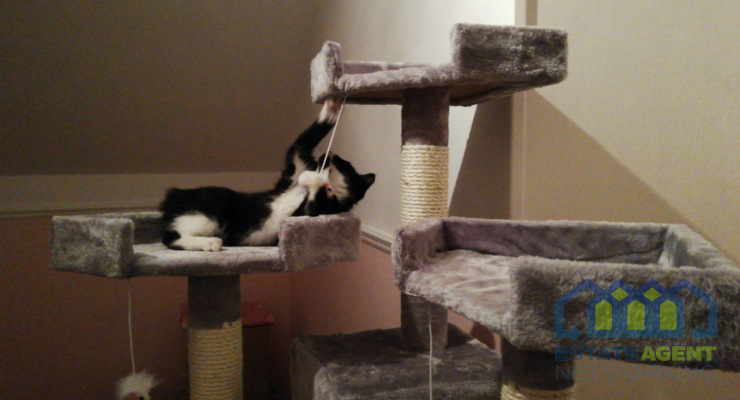
The latest U-turn in the Renter’s Rights Bill (RRB) concerning pet ownership may temporarily protect landlords from the cost of pet-related damage, but it leaves major questions unanswered, warns Inventory Base, the UK’s leading property inspection platform. As confusion grows around whether the proposed pet deposit amendment will pass, the industry is left in limbo, with tenants, landlords, and agents all seeking clarity.
The Renter’s Rights Bill (RRB) puts an end to blanket ‘no pets’ clauses on rented homes, meaning landlords will be required to accept animals into their properties unless they can provide a valid reason for refusal.
Despite this, there remains general agreement that landlords still need protection against the potential cost of repairing damage caused by pets, which has led to a frantic search for a workable solution.
Initially it was suggested that landlords should be able to insist tenants obtain pet insurance. But then, during parliamentary debate, it was decided that tenants should not be expected to pay for pet insurance, leaving landlords exposed once more.
Now, in what is fast becoming one of the most confusing and hard-to-follow political narratives of its time, another u-turn has occurred to introduce a proposed amendment that states that landlords can insist on a so-called pet deposit, capped at three weeks worth of rent.
There remain many questions
However, this recent amendment raises more questions than it answers.
First of all, will it even pass? As it stands, it’s a proposed amendment which is yet to be ratified. With so many other attempts having already fallen by the wayside, there’s every chance that this one will too. If so, what do they try next in order to protect landlords and get the RRB passed?
But even if this new amendment does pass, we lack absolute clarity about where the deposit money will come from. Can we be sure that the three-week pet deposit won’t be taken from the standard five-week security deposit? Because if it is, it renders the new pet-deposit non-existent in anything other than rhetoric.
If, on the other hand, landlords will be able to charge the pet deposit on top of the security deposit, it raises big questions around affordability. After all, the security deposit is being capped at the value of five-weeks rent because that’s how much it has been deemed tenants can afford. So if we start adding another three weeks on top, does it not become unaffordable? This would fly in the face of the government’s message of “tenants are not second-class citizens and deserve to keep pets”, caveating it with, “but only if they’re well-off”.
Then there is the question of whose job is it to set the rules in the first place?
Is it the government? The deposit schemes? The ombudsman? How will they ensure the process reflects the realities on the ground?
This is where the main stakeholders Propertymark, TDS, mydeposits, Deposit Protection Service, ombudsman and inventory professionals all need to work together as agents, landlords, and tenants all need clarity on how risk will be managed, disputes handled, and evidence evaluated.
If the industry wants pet-friendly tenancies to succeed, the solution has to be practical, credible, and based on how damage is actually documented and adjudicated today. In order to avoid the creation of a bad law, it’s time for the sector to create a workable framework that protects everyone involved.
What Can Landlords Do to Protect Themselves?
By opening up the entire rental market to pet owners, the RRB will radically change the UK’s current norm when it comes to pet-friendly renting.
In fact, Inventory Base’s analysis of current rental listings across England* has found that only 7.5% are listed as being pet-friendly.
Even in the nation’s most pet-friendly region, the North East, less than 11% of listings welcome pets. So with pets set to take over the rental market, how can landlords be given the protections they require?
With legal recourse and risk management options very much up in the air, Inventory Base urges landlords to protect themselves against pet damage by making proactive adjustments to their processes. Practical steps include:
- Reviewing and updating tenancy agreements to reflect the new legal framework
- Including guidance documents outlining acceptable reasons for pet refusals
- Scheduling more frequent inspections for properties with pets
- Considering modest rent increases to offset potential pet-related damage
- Keeping detailed records of tenant requests, refusals (with reasons), and all property issues related to pets
These measures can help landlords stay compliant while maintaining control over the condition of their properties.
Sián Hemming-Metcalfe, Operations Director at Inventory Base, commented:
“This latest U-turn on pet insurance highlights just how complex the balancing act is between tenants’ rights and landlord protections. The Renter’s Rights Bill aims to create a more inclusive rental sector—and rightly so—but without clear safeguards for landlords, particularly when it comes to pet-related damage, we risk creating uncertainty and conflict on both sides.”
“Most landlords aren’t anti-pet—they’re anti-risk without recourse. That’s why the focus now must shift toward building a framework that’s practical, enforceable, and based on how the rental sector actually works today. We need consistent rules, a reliable mechanism for assessing pet-related damage, and clarity on who sets those standards. This is where inventory professionals, deposit schemes, and regulators must collaborate closely.”
“Pets can absolutely be part of a successful tenancy, but trust and protection must go both ways. We need to use this moment not just to remove blanket bans, but to replace them with a smarter, more responsible system that works for everyone.”

You May Also Enjoy

Gap between house prices and earnings narrows

New Scheme Could Double Solo Buyer New-Build Options

Annual house price growth halves in September

Homesellers say valuation appointment is key
London’s rental market bucks the national trend