Subsidence: What it really means for your property – a guide for homebuyers
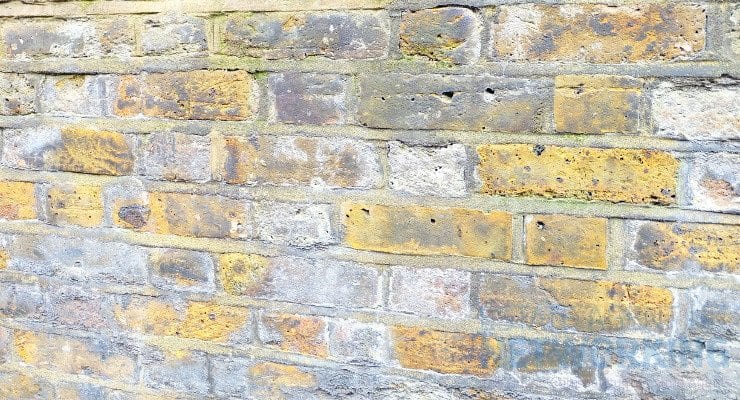
Discovering the word ‘subsidence’ in a property survey can strike fear into the heart of any prospective homebuyer. But while subsidence may sound daunting, it is a structural movement issue that can be manageable and with a certificate of structural adequacy and the correct insurance, your property plans don’t need to be derailed.
Essex-based Chartered Surveyors, Cheke & Co, have compiled expert insights into a guide to help homebuyers make informed decisions about subsidence – from understanding what it is, to help with identifying what it means for a property and steps to take in order to protect yourself.
David Clifford Smith, Director of Cheke & Co and Chartered Building Surveyor, said: “Structural movement is very common, and it can be due to factors such as thermal movement and differ based on geographical location. Subsidence can sound alarming, but it doesn’t have to be a deal-breaker when purchasing a home and the most important thing is to do your research on the type of movement issue you’re dealing with before buying. By understanding the signs, taking appropriate action with a survey, and seeking expert advice, buyers can make informed decisions if a property has subsidence.
“If a certificate of structural adequacy is given and a property is protected with the right insurance, subsidence is just another factor to consider in the property buying process and it can be entirely manageable with the right professional guidance and work. A thorough survey will help determine the best course of action, and in most instances, remedial work can stabilise a property, put buyers’ minds at ease and help protect a property’s long-term value.”
- What is subsidence?
Subsidence occurs when the ground beneath a property shifts, causing the foundations to sink unevenly. This movement can weaken the structural integrity of a building over time. It’s typically caused by:
- Clay soil shrinking during dry spells
- Tree roots drawing moisture from the ground
- Leaking drains washing away soil
While subsidence sounds severe, it’s often manageable when identified early.
- Signs to look for
Spotting subsidence early can prevent more serious issues. Look out for:
- Cracks that appear suddenly, especially around doors and windows
- Cracks that are wider than 3mm and often diagonal
- Doors and windows that start to stick due to shifting frames
- Uneven or sloping floors
If you notice any of these signs, it’s worth seeking professional advice.
- How serious is it?
Not all cracks are a sign of serious subsidence. Many older properties experience minor settlement over time, which is normal and often harmless. However, if subsidence is actively causing movement, it requires attention. The severity can vary from minor cosmetic issues to more significant structural concerns. A qualified surveyor can assess the level of risk and recommend appropriate solutions.
- What happens if a survey flags subsidence?
If your survey mentions subsidence, don’t panic and stay focused. The next steps usually include:
- Further investigation: A structural engineer may be required to assess the extent of movement
- Insurance checks: If the property has a history of subsidence, check whether it’s covered by insurance
- Specialist reports: These will outline potential remedial work and estimated costs
Many buyers can successfully speak with the seller and insurer to understand what the subsidence issues entail for the future.
- How can it be resolved?
Modern techniques can effectively address subsidence, ensuring the property remains structurally sound. Options may include:
- Underpinning: Strengthening the foundations by extending them deeper into stable ground
- Drainage improvements: Fixing leaking pipes or improving water drainage around the property
- Tree management: Removing or managing nearby trees that may be causing soil shrinkage.
The best solution depends on the cause and severity of the subsidence.
- Does it affect property value?
Properties with a history of subsidence will be viewed with caution, but often movement issues can be successfully treated to ensure no significant impact on the long-term value. Lenders may be more cautious about providing mortgages for properties with unresolved subsidence, but with the right documentation and remedial work, buyers can proceed with confidence.

You May Also Enjoy

Gap between house prices and earnings narrows

New Scheme Could Double Solo Buyer New-Build Options

Annual house price growth halves in September

Homesellers say valuation appointment is key
London’s rental market bucks the national trend