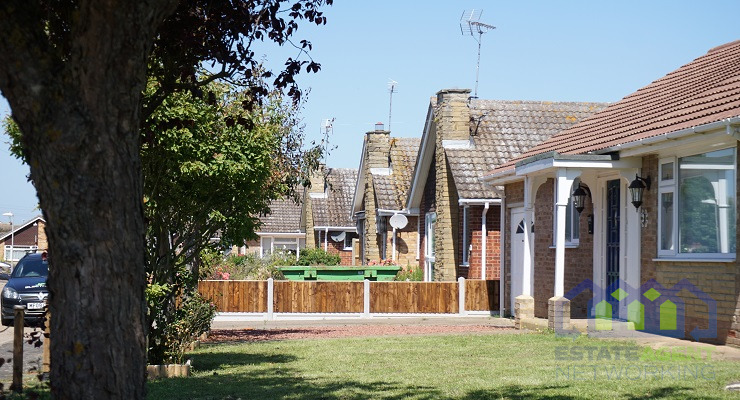
The 10 biggest homebuyer turn-offs
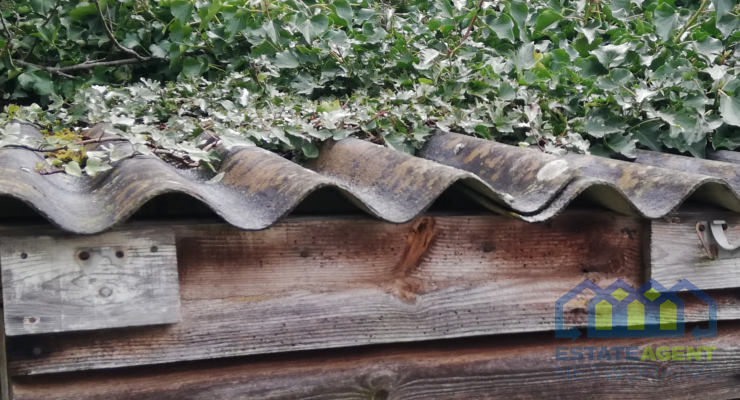
From overgrown gardens to nightmare neighbours, homeowners across Britain could be knocking tens of thousands of pounds off the value of their property before a buyer even makes an offer.
New insight from House Buyer Bureau reveals the most common homebuyer turn-offs that could be thwarting your chances of making a sale, and the estimated impact they can ultimately have on your house price.
While some issues are cosmetic and relatively easy to fix, others can dramatically reduce buyer demand and significantly lower the final sale price.
Japanese knotweed and structural issues
Any kind of structural concerns are instantly going to act as a major buyer turn-off. Subsidence, for example, remains one of the biggest red flags when purchasing a property, with severe cases estimated to reduce a property’s value by 20%. Based on the current average UK house price of £267,957*, this is equivalent to a value drop of £53,591.
Structural issues are often the result of a property’s age and lack of upkeep over time, but they can also be caused by the presence of invasive plants and trees.
Japanese knotweed is probably the most feared of these invasive plants. It grows quickly, and can destroy all infrastructure in its path. It is also notoriously difficult and expensive to remove. As such, properties affected by knotweed can see their values fall by as much as 15%, equivalent to £40,194.
Flood risk and other location issues
Flood risk remains another major turn-off for buyers, particularly in areas with a known history of flooding. If a property has visible water damage, it’s also going to scare most buyers. Homes exposed to flood concerns could see values reduced by nearly 15%, which is a financial loss of almost £40,000.
Location and environmental turn-offs spread far beyond flood risk. For example, close proximity to pylons, power lines, wind turbines, or mobile phone towers can lower buyer appetite and knock approximately 14% off a property’s value, while any evidence of nuisance neighbours can reduce a home’s value by as much as 10%.
The problem for sellers is that no amount of repairs or regeneration can change a property’s exposure to location-based turn-offs such as these, which means they can be very difficult to sell.
Damp, mould and disrepair
First impressions are perhaps disproportionately influential for homebuyers. And while it’s a cliche, many sellers still don’t fully appreciate just how much it can impact the mindset of a prospective buyer. General disrepair, neglected maintenance, and overgrown gardens can reduce values by an estimated 12.8%, as buyers often consider it a warning sign that larger hidden problems may exist elsewhere within the home.
Damp and mould continue to deter buyers due to both health concerns and fears over hidden repair costs. Depending on severity, the impact can vary considerably, although a visible issue could reduce a property’s value by around 12.5%, or £33,495.
Bad smells, outdated decor, and messiness
Even smaller cosmetic details can influence buyer perception and negotiating power. Evidence of pets, lingering odours, clutter, mess, and outdated décor can all impact how buyers emotionally connect with a property during viewings.
The mess and smell of pets threatens to knock 4.4% off your value, messiness can reduce it by 4.2%, while outdated décor may lower achievable sale prices by close to 4%.
Managing Director of House Buyer Bureau, Chris Hodgkinson, commented:
“Many homeowners focus purely on market conditions when thinking about the value of their property, but buyer psychology plays a huge role in achieving a strong sale price.
In many cases, relatively minor issues such as clutter, poor presentation, or tired décor can immediately influence a buyer’s perception and encourage lower offers.
But then there are the more serious problems such as subsidence, damp, flooding, or Japanese knotweed that can have a far greater impact, not only reducing buyer demand but also limiting mortgage availability in some cases.
Finally, you’ve got environmental and location-based problems like mobile phone towers or flood risk which, with all the will in the world, cannot be changed. In such instances, sellers can struggle to secure a buyer, at which point quick sale platforms such as HBB offer an ideal solution, enabling you to offload your problem property for a good and fair price, and move on quickly to the next stage of your life.”

You May Also Enjoy

Renting an Apartment for Streaming and Gaming: What to Check Before Paying the Security Deposit

London rents outperform property values
Rental property availability falls
Average advertised rents surpass £1,400 for the first time

Barclays unlocks wider mortgage access for company directors