The Londoner’s Guide to Year-Round Gardening
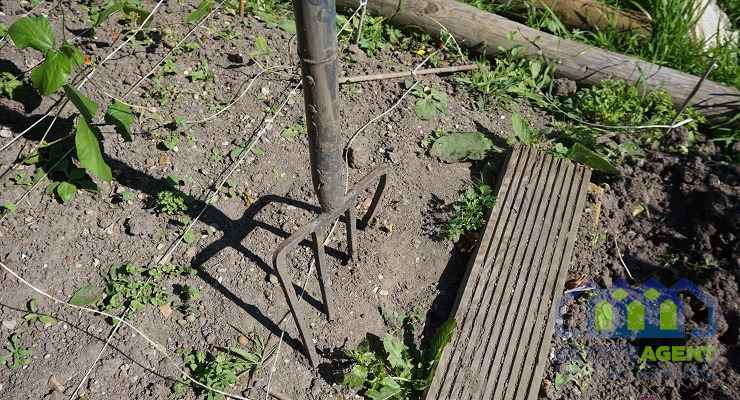
Imagine stepping into your London garden, a vibrant oasis that defies the city’s ever-changing weather. You may think it’s a dream, but it’s absolutely achievable, even amidst the bustling urban landscape. You’re not alone in facing the challenge of maintaining a flourishing garden year-round in a city known for its unpredictable climate.
In this guide, we’ll delve into the secrets of successful gardening through each of London’s distinct seasons. From the first spring blossoms to the frosty winter mornings, you’ll learn not just to sustain, but to thrive in your gardening endeavors.
Why is this important, you ask? Because your garden can be more than just a space—it can be a year-round sanctuary, a source of pride and joy, regardless of the weather outside.
Understanding London’s Gardening Calendar
Seasonal Shifts in London’s Gardens
In London, gardening is not just a hobby, it’s a year-round journey. According to the reputable London gardeners from PI Gardening each season in the capital city brings its distinct charm and challenges to gardening. In spring, the city awakens with mild temperatures and soft rains, perfect for nurturing new growth.
As summer arrives, it demands more attention with increased warmth and sunlight. Here, diligent watering and pest control become essential. Autumn brings a gentler pace with its cooler air, signaling a time to harvest and start preparing for the colder months.
Winter, with its frosty mornings, tests your garden’s resilience, requiring protective measures to ensure its survival.
Monthly Gardening Checklist for Londoners
January:
• Embrace the new year with garden planning. Choose plants and order seeds.
• Protect your garden from frost and assess any winter damage.
February:
• Sow hardy annuals indoors, getting a head start on spring.
• Weather permitting, prepare your soil for planting.
• Prune winter-flowering shrubs post-bloom to encourage future growth.
March:
• Plant hardy vegetables outside as the earth begins to warm.
• Prune your roses, setting the stage for spring blossoms.
• Mow the lawn as it starts its new season of growth.
April:
• With warmer days, increase watering to support growing plants.
• Sow tender plants indoors, readying them for later transplant.
• Tackle weeding early to prevent overgrowth.
May:
• Gradually introduce indoor-grown plants to the outside world.
• Plant summer bedding plants as May concludes.
• Keep your lawn healthy with regular mowing and fertilization.
June:
• Vigilantly monitor for pests and diseases.
• Water thoroughly, especially during prolonged dry spells.
• Pinch out tomato side shoots to encourage healthy fruiting.
July:
• Harvest vegetables at their peak.
• Deadhead flowers to inspire further blooming.
• Maintain a steady watering and weeding schedule.
August:
• Collect seeds from your favorite plants for next year.
• Trim hedges and stay on top of weeding.
• Water deeply, particularly during heatwaves.
September:
• Start planting bulbs that will bloom in spring.
• Reduce watering of houseplants as daylight decreases.
• Harvest remaining summer crops.
October:
• Plant winter bedding plants for seasonal color.
• Clear fallen leaves and start a compost pile.
• Enrich your soil for next year with compost or manure.
November:
• Shield plants from early frosts.
• Plant bare-root roses and deciduous shrubs for future growth.
• Clean and store your gardening tools.
December:
• Ensure winter protections are holding up.
• Plan next year’s garden layout and species.
• Relish in the quietude of your winter garden.
By syncing with London’s gardening calendar, you’ll not only maintain your garden but also watch it flourish throughout the year.
Spring Gardening: Awakening Your Garden
Preparing for Spring Growth
Spring in London is a rebirth for gardens. Start by rejuvenating your soil. Testing and adjusting the soil’s pH and nutrient levels creates an ideal environment for new growth. Pruning is next; removing dead or damaged branches from shrubs and trees not only tidies your garden but also spurs healthy new growth.
When it comes to planting, choose frost-tolerant varieties that can brave the city’s sometimes capricious early spring weather. With the last frost behind, introduce early bloomers to add vibrancy to your garden.
Spring Plant Recommendations
Selecting plants for your London garden in spring requires a focus on resilience and aesthetic appeal. Hardy perennials like Lupins and Foxgloves are perfect, thriving in London’s climate while adding a vertical dimension and a pop of color.
Early bloomers such as Pansies and Primroses bring immediate life and color, breaking the monotony of winter. Incorporate herbs like Parsley and Chives early on. They’re culinary staples that also contribute to your garden’s fragrance and green aesthetics.
Don’t overlook vegetables, Broad Beans and Peas, planted now, promise a rich early summer harvest. Choose plants that are not only tough but also bring beauty to your spring garden.
IV. Summer Gardening: Maximizing Growth and Bloom
Summer Maintenance and Care
London’s summer garden is a vibrant tapestry that requires diligent care. Key to this is efficient watering. To ensure deep soil penetration and reduced evaporation, water your plants in the cooler parts of the day – early morning or late evening.
For pest control, lean towards eco-friendly options like natural deterrents or organic pesticides to maintain a healthy, sustainable garden. Mitigating summer heat is crucial too. Shield your delicate plants with strategic shading and use mulch to preserve soil moisture, keeping your garden verdant and thriving throughout the warmer months.
Thriving Summer Plants
Choosing the right plants is essential for a vibrant summer garden in London. Fragrant and colorful flowers like Lavender and Geraniums are not just visually appealing but also hardy in warm weather. Ferns, with their lush foliage, offer a cool green retreat and some much-needed shade.
In the vegetable patch, Tomatoes and Cucumbers are ideal choices for the London summer, providing fresh flavors for your kitchen. These plants, with their robust nature and aesthetic appeal, are the cornerstones of a lively and productive summer garden.
V. Autumn Gardening: Preparing for the Cooler Months
Autumn Planting and Harvest
As autumn arrives in London, gardens enter a phase of change and preparation. This season is ideal for planting hardy perennials and biennials, such as Wallflowers and Foxgloves. These plants will root themselves over winter, offering early blooms next spring. Additionally, planting spring bulbs like Daffodils and Tulips now sets the scene for a vibrant spring display.
Harvesting is also key in autumn. Gather the last of summer’s produce – apples, plums, pumpkins, and squash – to relish the rewards of your summer efforts.
Protecting Plants from Early Frosts
With London’s dropping temperatures, safeguarding your plants from early frosts becomes critical. Begin by identifying frost-sensitive plants. Move them indoors or cover them adequately to shield them from the cold.
Employing mulching significantly aids in insulating the soil and protecting plant roots. For those plants remaining outdoors, using fleece covers or cloches can offer necessary protection. These proactive steps will help your garden maintain its health, poised to flourish again in spring.
Winter Gardening: Protecting and Planning
Winter Care for Perennials and Lawns
In London’s winter, a gardener’s focus shifts to safeguarding and nurturing. For perennials, cutting back and applying a protective mulch layer is essential.
This not only guards against freezing temperatures but also ensures the soil retains moisture, vital for root health. Lawns in winter require less attention, but it’s crucial to avoid walking on frost-covered grass to prevent damage.
On mild winter days, aerating the lawn and removing debris can significantly contribute to a healthier turf come spring.
Indoor Gardening and Planning for Spring
The dormant winter period is a golden opportunity for indoor gardening pursuits. Starting a herb garden on your windowsill or beginning seedlings indoors keeps your gardening passion thriving.
This period is also invaluable for planning the upcoming year’s garden. Reflect on the previous season’s triumphs and learnings, and map out future plant arrangements and species selections. Browsing seed catalogs and gardening websites can spark new ideas, laying a strong groundwork for a fruitful gardening year.
Conclusion
In conclusion, we might say that each season bringing its unique set of tasks and rewards. In spring, the focus is on planting and nurturing new growth, setting the stage for the year ahead. Summer demands diligent care with watering, pest control, and managing the heat to ensure a garden full of life and color.
Autumn is a time of transition, where harvesting summer’s bounty and planting for the next year takes precedence. Finally, winter is less about active gardening and more about protecting, planning, and indoor gardening activities.

You May Also Enjoy

Gap between house prices and earnings narrows

New Scheme Could Double Solo Buyer New-Build Options

Annual house price growth halves in September

Homesellers say valuation appointment is key
London’s rental market bucks the national trend