Ticking time bomb that could be growing in your garden
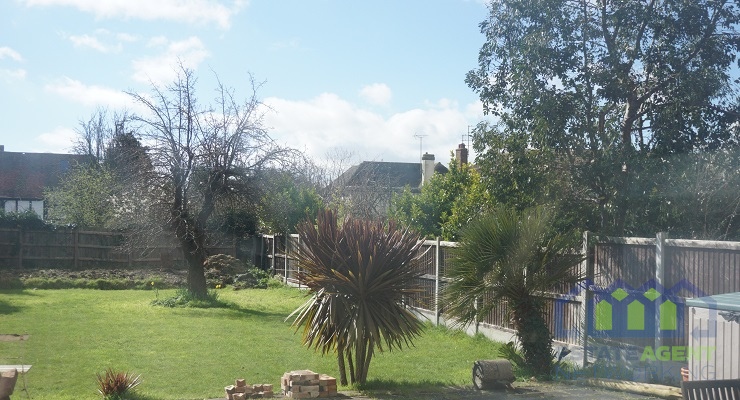
Property industry body flags the ticking time bomb that could be growing in your garden rapidly during the summer months
There have been widespread concerns about Japanese Knotweed over the years, but for those who may not be aware of the pesky plant, Propertymark highlights that now is the time to act, as warmer conditions tend to lead to rapid growth during the summer months of up to 10cm a day and it causes some serious damage along the way.
Propertymark is urging homeowners to be aware and deal with this plant as soon as possible due to its deceivingly harmless appearance, but it can go undetected and have costly impacts on a property if left untreated.
It is easy to mistake this plant as a pleasant addition to your garden, but it is important address its presence as a priority.
As well as growing rapidly up to heights of around three metres, it can force its way through expansion joints in concrete, cavity walls, weaknesses in the damaged mortar between paving slabs or bricks, and it can also hinder drains and sewers.
If left unaddressed, it can also potentially cause substantial structural damage, especially to properties that are more venerable, such as character homes.
It can be helpful to seek expert advice to help plan an effective treatment regime for Japanese Knotweed and to help minimise any potential return.
What is Japanese Knotweed?
If you haven’t heard about Japanese Knotweed or don’t know what it looks like, then it is very easy to miss it in your garden. This plant has various growth stages throughout the year, which can make it hard to identify.
In the spring, it will have red or purple asparagus-type shoots, quickly transforming into green or bamboo-like stems, but then in the early summer, it is usually fully grown at three metres high.
Now that the late summer is arriving, it is important to identify what the plant may start to look like. By this time of year, the plant flowers will produce clusters of spiky stems in tiny creamy-white flowers. The leaves are luscious green and show their unique flat, shovel, or heart-shaped appearance.
During the late autumn and winter, the leaves drop, and the canes become dark brown. The Japanese knotweed then remains dormant during the winter months before coming back to life in spring.
How to treat Japanese knotweed
The correct treatment will depend on a variety of factors. However, there are normally two methods to beat the issue: herbicide treatment or physical removal through excavation. Eradication experts can discuss with you the extent of the issue.
They normally take photos, but for bigger areas and commercial development sites, a decent contractor will be eager to come and see it for themselves before potentially quoting. A pre-site survey will establish the extent of the problem and the cost to tackle it.
When it comes to which company you potentially choose, most offer a guarantee, whoever it is important to fully check all terms and conditions. Crucially, make sure you have a detailed post-treatment management plan with your selected contractor.
Can Japanese Knotweed return?
There is always a chance of regrowth, but this should be accounted for in any post-treatment management plan.
How can Japanese Knotweed affect house sales?
Just like any identified problem or issues, Japanese Knotweed can cause problems regarding house sales with some lenders taking a cautious approach to lending should it be identified an issue. Buyers may look to renegotiate the initial offer for any property, if they know they will need to spend time and money eradicating any Japanese Knotweed.
However, most UK lenders will still potentially lend to consumers if they can feel assured that the problem can be treated effectively.
Michael Holden, a former NAEA Propertymark president, comments:
“When buying a home, the key issue is to make sure that you ask the vendor and the estate agent as to whether the property has had any present or historic issues with Japanese Knotweed or invasive plant species generally. Bamboo, for example is now becoming more of a concern. Where there are potential issues, it is advisable that a specialist survey is undertaken to identify invasive plants in the property’s garden and any other matters that would require further investigation.”

You May Also Enjoy

Gap between house prices and earnings narrows

New Scheme Could Double Solo Buyer New-Build Options

Annual house price growth halves in September

Homesellers say valuation appointment is key
London’s rental market bucks the national trend