Tips for Resolving Common Rental Disputes
In the world of property management, rental disputes are hard to avoid. There are many different types of issues that can arise, requiring the letting agent to resolve disputes between the landlord and tenants. Anything from how much deposit is taken to cover minor damages, to long term tenants asking for expensive home improvements can be a challenge for you as the lettings agency. Here are some tips to help resolve some of the common disputes:
Tenants disputing damage caused to property
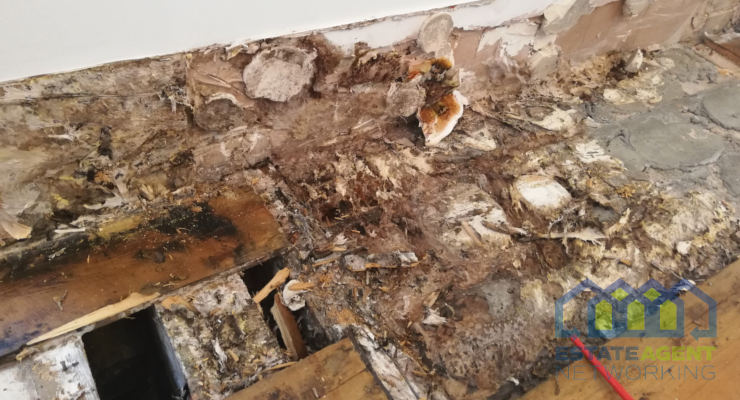
In many cases, tenants will claim that property damage was pre-existing and not caused by them. This is where a very thorough inventory is required and rather than just listing the existing condition of the property and any contents, it is much better to take photographic evidence, or even videos to show the condition in detail. This means that at the end of the tenancy, any dispute regarding property condition should have hard evidence to help with agreeing responsibility. It is also important to speak to the tenant about requesting landlord permission for any types of fixtures that could damage the property and ensure that the tenancy agreement is clear on this.
Tenants requesting property improvements
Another common topic that gets disputed is where tenants request what they deem to be essential updates to the property, whilst the landlord is not happy to pay for what they may see as unnecessary work. If you think tenants are requesting work that sits outside of the landlord’s responsibilities, you can direct them to the Citizens Advice page that outlines the landlord’s responsibilities. On the other hand, if the landlord is contesting the work, possibly because they don’t have the money to make the repairs, you may need to discuss options with them. One option you could put to them is to seek mortgage advice on remortgaging with a broker such as Trussle. They can even just get some free advice initially, to see whether remortgaging is a good option for them. This way, they can access a good remortgage deal to take money out of the value of the property and get repairs completed that come under their responsibility.
Property cleanliness and garden tidiness
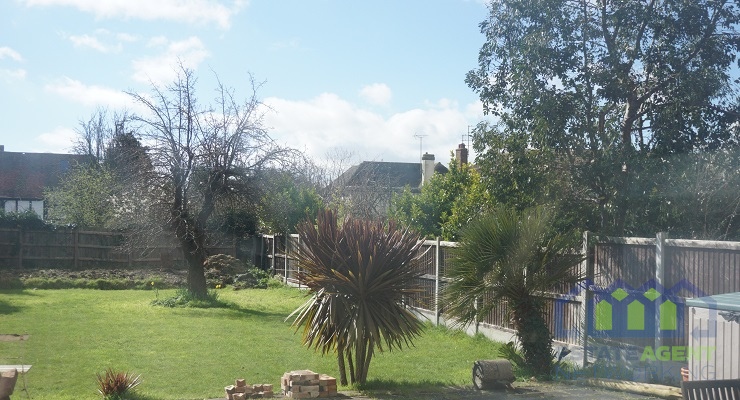
How clean and tidy a property should be when a tenant moves out is another common debate, which often leads to a landlord keeping back some or all of the deposit to pay for professional cleaning or gardening. It is important that the tenancy agreement is clear that the property must be in the same condition as when the tenancy began, including how clean it is and how tidy the garden is. Again, what will help here is having high-quality photos and videos to compare these areas at the beginning and end of the tenancy. It will also help to avoid these debates by having a conversation with the tenant to remind them of their responsibilities before they move out and point out how it could affect their deposit. Some tenants are unaware of how much deposit they would lose if a professional cleaner and gardener is hired.
These are three of the biggest disputes that occur between tenants and landlords and it is really important to have a thorough tenancy agreement in place but also capture property details in images to help handle disputes.

You May Also Enjoy
Seven things to do if a tree damages your property

Leasing demand rises across all sectors
Don’t Put The Property Market On Pause
Before You Sign: 10 Things Home Movers Wish They Knew

Property expert warns homeowners to lock in amid mortgage rates uncertainty