


What does your Twitter following really say about you?
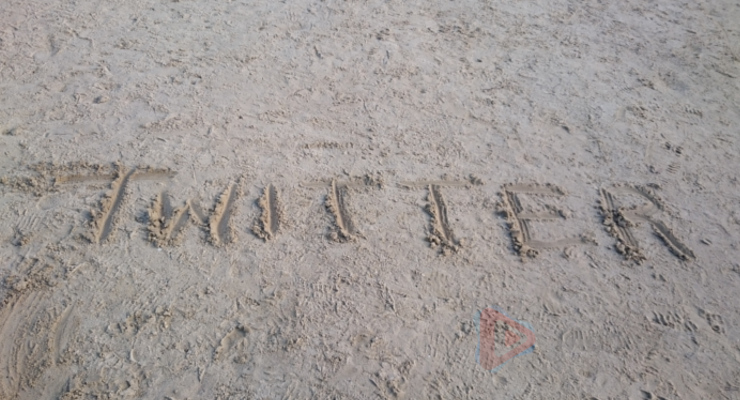
Firstly, Twitter is all about building a following and that I am sure many would agree. What’s important to note at this early stage of the conversation is that I refer to target following over simply numbers. I mean, if you are selling Bentley’s in your local City then you are far better off having 10 followers (all successful multi millionaire business people) over 100,000 followers (general public).
When people are searching ‘who to follow‘ on Twitter, they tend to look at profile descriptions and images as well as a peak at the followers and following ratios – ie, is this account / person, one of influence and one I should follow, is it likely they’ll follow me back etc, etc…
As I involve myself a lot in who each of the accounts I run on Twitter we should be following, I thought it a good idea to share some ‘following ratios’ that says a lot about the account you are considering following.
No following and a few hundred, up to 2,001 following: most likely a newbie to Twitter so check their profile and activities to see if they are genuine. Increase your Twitter followers, with real targeted traffic by using Twesocial.
No followers and a few hundred, couple of thousand followers: check their profile description and followers. This to me sounds very suspect and likely to be a spam account, one set up to acquire new followers whilst Tweeting and direct messaging spam content such as offering ‘paid for Twitter followers’.
A few dozen / hundred following and many more hundred followers: likely to be a legitimate account such as a business person or business account though check their followers to rule out a fake / spam account.
A few hundred followers and several thousand followers: more than likely to be a genuine account, though check followers to rule out that this account has not simply purchased fake followers (though still a genuine account) to make themselves appear bigger / more important than they are.
A few followers compared to many, many more followers, ie 500 following and 500,000 following: chances are they are genuine and a key person of influence such as a B list celebrity, well known business owner or a past key person of influence. Very rarely, these accounts will be fake, but do check quality of followers.
A few followers, usually under 5,000 compared to millions of followers: these type of accounts will most likely be ‘blue tick’ accounts and that of known companies and people, unless Twitter have made a grave error, highly likely to be genuine accounts with genuine activity.
A large amount following, ie 50,000 followers with similar amount, just above or several thousand below, following: likely to be a genuine business or a person, trying to wisely use social media to build their brand awareness by the ‘following and unfollowing’ technique.
High amount of following, ie 100,000+ and similar or above followers: a good quality and genuine account, likely a long term expert of Twitter with a long history of Tweeting who’ve built their name / brand using Twitter and still using the ‘follow and unfollow’ technique – usually now a social media trainer / advisor in their industry sector or an established SME business.
Above are all my thoughts from the many years I have ‘surfed’ Twitter whilst searching for new people / businesses to follow in order to build my networks.

You May Also Enjoy

Leasing demand rises across all sectors
Don’t Put The Property Market On Pause
Before You Sign: 10 Things Home Movers Wish They Knew

Property expert warns homeowners to lock in amid mortgage rates uncertainty

Damp and mould online searches rise by 34%