Why are EICRs Required for Commercial Buildings in the UK
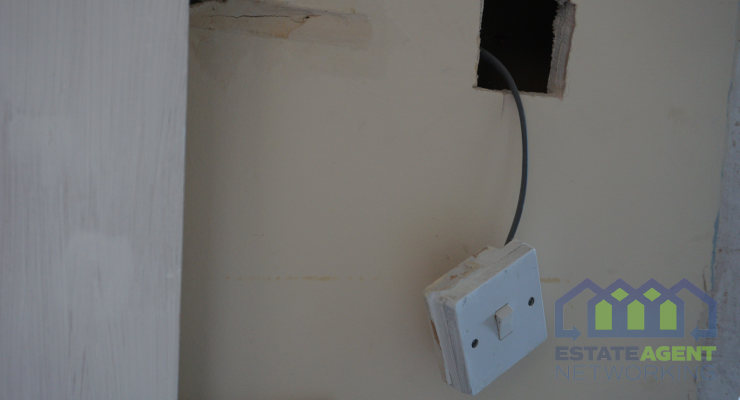
All businesses in the UK are required to comply with specific electrical safety standards set out in the Electricity at Work Regulations 1989. These rules are designed to keep commercial properties, customers and employees safe.
Under these rules, business owners and landlords of commercial properties must get a new EICR (Electrical Installation Condition Report) at least once every five years. Here is everything you need to know about commercial EICRs and how you can obtain one.
What is a commercial EICR?
A commercial EICR report is an official document that provides details of the safety and overall condition of the electrical fittings and installations within a commercial building. The inspection and report must be completed by a qualified and licensed electrician.
The report will state whether electrical installations are satisfactory and advise whether remedial work is needed to improve electrical safety and energy efficiency.
Why is a commercial EICR important?
An EICR will highlight faults with your electrics so that remedial action can be taken before issues turn into something more serious and dangerous. Business owners and landlords have a responsibility to protect the health and safety of all people within their properties by carrying out regular electrical safety checks.
If you don’t inspect the electrical systems within your building, then faults may go unnoticed and become more serious. This could cause an electrical fire which could result in extensive damage, along with serious injuries and death.
What happens if I don’t get an EICR?
If you fail to have an EICR, then you will be liable under UK law if damage or injury is caused by electrical faults or fires. Your business insurance may also be invalid if you don’t have a current EICR and you try to make a claim for electricity-related damage or injuries.
Business owners and landlords who fail to apply with the regulations and obtain a commercial EICR can also be fined up to £30,000. For more information, please visit this article.
What is the cost of a commercial EICR?
The cost of a commercial EICR will depend on the contractor you choose and the extent of the assessment. Small commercial properties are typically cheaper to inspect while larger buildings can cost significantly more. Older commercial properties with outdated electrical systems may also have additional costs when obtaining an EICR.
You can check the cost of a commercial EICR in your local area by contacting your local EICR specialists.
What should I expect during an EICR inspection?
A qualified EICR assessor will visit your commercial property and complete a thorough inspection of all electrical installations including the fuse board, electrical outlets and switches, and fixed wiring. They will then complete a final report on whether the electrical installations are satisfactory.
The electrician will look for faults in your electrical system such as overheating, broken wiring, faulty circuits, and inadequate bonding. The report will give you instructions for remedial work and the required date for the next EICR inspection.
Get in touch to book an EICR!
If you require a commercial EICR for your commercial property then get in touch with our electrical experts today. Our team has the skills and expertise to ensure that the electrics within your commercial property are safe and working effectively and efficiently.

You May Also Enjoy

Breaking Property News 20/10/26
The six shocking ways first-time buyers are being caught out
FTBs reveal real cost of homeownership
Supply of family-suitable homes falls across the nation

84% of agents fear Autumn Budget anti-climax