4 Factors To Consider When Choosing A Construction Site
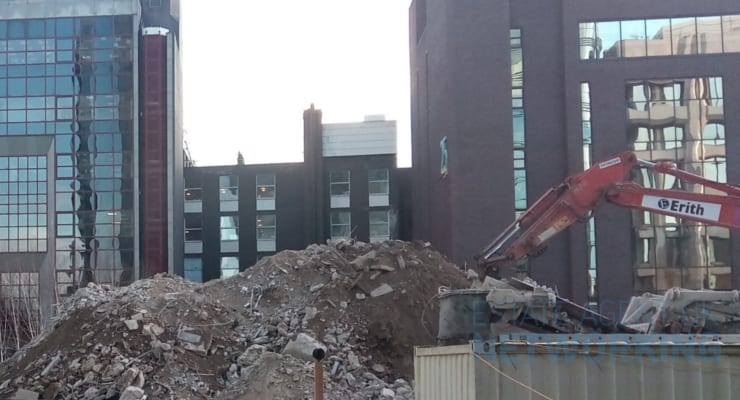
The first stage of any construction project is finding the right site. Unfortunately, many builders, homeowners, construction engineers, and even architects ignore this stage. Not all land is good enough for a construction project. Choosing a defective site can lead to a considerable increase in building expenditure, delays in the construction project, and problems regarding building maintenance. Picking a bad location can also affect the building’s structural integrity. If you want to breeze through the construction process and prevent problems after the construction, it’s important to consider the following factors during site selection.
1. Landscape, land size, shape, and topography
You need to consider these four factors thoroughly – landscape, size, shape, and the topography of the land. Knowing the actual size of the land will help you create a building plan that fits perfectly. It will also help you plan how much space to leave for future extensions. Addressing landscape and topography concerns involves identifying special features of the land. For example, does it slope? What is the potential visual impact of the surrounding landscapes? Questions like these should help you identify an ideal construction plan that takes full advantage of the landscape and avoids potential challenges during the construction phase. You can work with an experienced environmental consultancy to assess a site’s landscape.
2. Type of ground soil
Every land space or site has a different type of ground soil; not all soil types may be ideal for your construction. The last thing you want is to end up with a faulty structure or a cracked building due to the soil on which the foundation is built. The site’s ground soil should be good enough to build strong but economical foundations for the intended building without causing major issues. In most cases, an ideal site should have a rocky, sandy, or dense soil. However, it should be below 60 cm to 120 cm layer of light soil.
3. Site location and accessibility
Regardless of which location you pick, it should be easy to access for the construction process and access to the building itself when it’s completed. It’s best to look for locations with easy road access to make the transportation of building materials to the site easy. For example, if you are building a Purpose built student accommodation you’ll want to make sure you pick a prime location for the project to take place. You’ll want to confirm that the building is somewhere where it’s easy to walk and get to places such as the grocery store and gym.
Aside from the location, also consider proper infrastructure. Some construction sites may require more labour and time than others. Picking sites in very remote locations may come with several infrastructural challenges to deal with. For example, you may need to construct roadway extensions to create easy access. You may also face challenges setting up utilities like electric power supply, runny water availability, etc.
4. Government laws and construction requirements
Almost every location is governed by regulations that can affect how your construction can turn out. For example, some by-laws may force certain restrictions on your project in terms of building height, how much space you should have around your building, etc. There may also be some zoning codes, building permits, and government regulations you need to consider before you commence construction.

You May Also Enjoy

Housing market hit by £18m increase in fall-through costs in Q2 2026

More than half of ‘Mumlords and Dadlords’ give rent back to help children buy their first home

The First-Time Buyer Reality Shock
£50k hit when climbing the property ladder

Conveyancing causes more stress than property chains