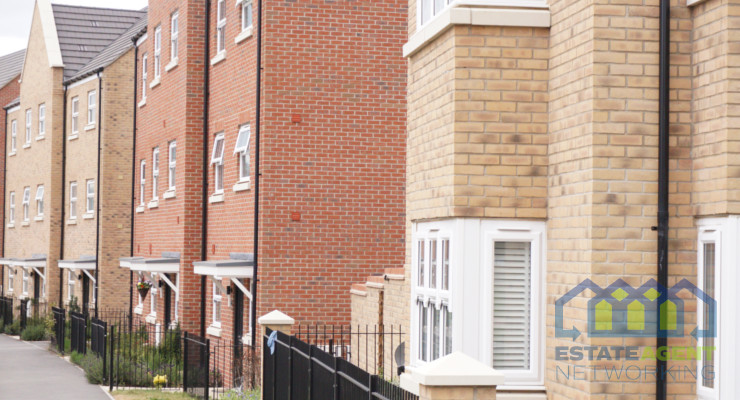
6 Essential questions every first-time buyer needs to ask

Buying your first home is a huge step for anyone. No doubt you’ll have been planning and saving up for it for years and now you’re finally ready to take the plunge into homeownership. Well, you couldn’t have chosen a more unusual year in which to make your move! But while 2020 is a year like no other, it could also be the perfect time to buy property. Take a look at our recent blog here to find out why.
Before you commit your hard-earned cash into what might be the biggest investment you ever make, you need to be absolutely sure that you’re choosing the right property. Keep your feet firmly on the ground and don’t get carried away by the excitement of it all until you’ve got satisfactory answers to these essential questions that we highly recommend all first-time buyers should ask.
1. Can I afford the property?
Rule Number One is to get your finances in order and establish a clear idea of a realistic budget before you commit to buying your first property. What are your monthly household incomings and outgoings? How much could you comfortably repay per month? Factor in unforeseen circumstances that could materially affect your finances (illness, unemployment, divorce…) and leave enough headroom. Here’s a handy budget planner to help.
How much are you able to borrow and what deposit can you put down? If you save more than 5%, you’ll get access to a wider range of cheaper mortgages. If you haven’t already, go and see an independent mortgage broker who will explain all the options available to first-time buyers, help you get the best deal and secure a mortgage offer in principle. This will enable you to be a credible buyer who can proceed as soon as the right property comes along.
2. Leasehold or freehold?
Property in England and Wales is typically sold either on a leasehold or freehold basis. As a leaseholder, you will have to pay an annual service charge to the freeholder towards the upkeep of the building and communal areas. There may also be ground rent to pay. Make sure you know how much these bills are going to be! The recent leasehold scandal has shown how easy it is for inexperienced buyers to sign legally binding lease contracts containing onerous clauses, without realising what they were getting themselves into.
Also be aware that a leasehold property is, in essence, a depreciating asset. “As the lease runs down, the property value falls until the lease has expired when, at least in theory, the asset reverts back to the freeholder,” explains Shakil Ahmed, a specialist in lease extension services. By contrast, if you own a freehold property (usually a house), you own the building and the land it is built on – a very different proposition indeed.
3. Is the location right?
The choice of location for your first own home is important for two reasons. One, it’s where you will be living in the foreseeable future, so the area needs to offer exactly what you need. Check local amenities such as shops and restaurants, local schools and transport links, green spaces and recreational facilities. Find out what the neighbours are like, and the parking. Is the area safe or does it have a crime problem?
Two, the location will play a big role in your home’s resale value, as and when you’re ready to move on. If you’re in the catchment area for a good school, for example, this can add value to the property, even if you don’t have any children yourself. Here are some useful tips to help you choose the right location for your new home.
4. Does the property suit my needs?
Whether you’re looking for a home for yourself, with a partner or a young family, your budget and the location will largely determine the size of property you can buy. The number of bedrooms is clearly key, but they are not the be-all and end-all.
Consider things like natural daylight. West or south-facing rooms are typically brighter than north or east-facing properties, and the presence of nearby buildings or trees can also compromise the light. Rooms with a view, on the other hand, tend to be light and airy and increase the potential resale value of the property.
Think beyond beds, sofas and dining tables and look for ample storage space for all those bits and pieces that don’t need to be on show. From coats and shoes to toys and bikes, DIY tools and Christmas decorations, there should be enough space for you and your belongings. New builds are notorious for not offering enough storage, with recent data showing that today’s new homes are the smallest they’ve been in 100 years!
5. Is the flat/house in good condition?
It should go without saying that a major investment such as a property must be thoroughly scrutinised to ensure it is in good condition and, crucially, worth the money you are shelling out. Don’t think for a minute that you will be able to tell a ‘bad’ property from a ‘good’ one since many building problems won’t be obvious to the untrained eye.
This is where a property survey can be worth its weight in gold. Find a reputable RICS accredited surveyor and ask them to recommend the right level of survey for your first home. For a few hundred pounds, the surveyor will give you a professional appraisal of any potential issues with the building including serious defects such as damp, timber rot, structural movement and more, plus plenty of valuable advice on how to proceed with your purchase.
6. Are there any planned developments in the area?
Finally, it’s important to find out about any future development plans in the neighbourhood that could affect the value of the property. Are there proposals for major residential housing developments nearby, new road layouts planned or long-term construction works in the pipeline? It could dramatically change the look and feel of the area.
That said, development doesn’t have to spell bad news. The promise of better transport links, for instance, may mean short-term disruption but could enhance the appeal of the area in the longer term. There are many neighbourhood regeneration schemes that aim to increase the attractiveness of the local area for residents and/or businesses, such as these Manchester schemes. Check the local council website for information about planning applications in and around your chosen property.

You May Also Enjoy

FMB Supports Construction Leadership Council’s Health and Wellbeing Strategy

20% Property Premium to Live Beside Britain’s Best Beaches

Houseboats hand London homebuyers 57% saving
Silverstone fails to take pole when it comes to race track property premiums
Section 8 Reforms: What Landlords Need to Know About Longer Notice Periods and Stricter Rules