7 Ways to Prevent a Plumbing Disaster in Your Home
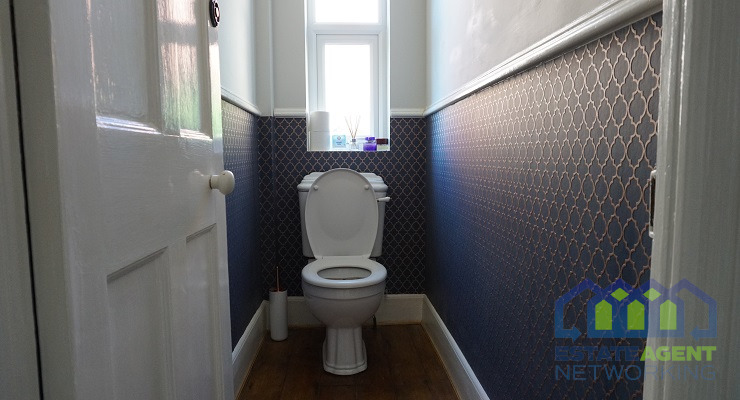
Having a plumbing disaster at home is a serious emergency. If this happens in your absence or at night, your home can flood easily and cause a lot of damage.
But did you know that it need not happen to you if you take measures to prevent it? And remember, plumbing disasters are not only caused by bursting pipes or failed faucets.
Your toilets could block and cause dirty water to back up and spill into the rest of the house. While a plumber can help to fix your plumbing issues fast, it will cost you a lot. Besides, prevention is better.
To prevent this kind of trouble, you should consider checking your plumbing works often, and employing the tips shared below:
1. Don’t flush the wrong things down the toilet
Most of the toilet backup and clogging disasters at home occur because people flush things down the toilet that should not be flushed.
Teach your children how to put different types of solid waste in trash bins instead of down the toilet. If you are a landlord, include this in the regulations for your tenants.
Nothing apart from water, toilet paper and bodily waste should ever go down the toilet. If there is anything else floating in the bowl, please remove it before flushing.
Diapers, feminine sanitary products, newspapers or towels should never be flushed down the toilet.
The trouble of removing them is easier than having to unclog a toilet. Besides, it won’t cost you anything to remove them but unclogging a toilet requires a plumber.
To prevent guests from tossing things in the toilet bowl, place trash bins for different types of waste.
2. Keep your water pipes in great shape all the time
With time, your water pipes start to rust. They can look as if they are in great shape but they are falling apart slowly.
The years, rust and water take their toll on the pipes. Exposure to winter also causes the water inside the pipes to freeze. Ice expands, and this forces the pipes to start cracking.
During the winter, you might have to leave the heater on low heat to maintain a constant temperature for the pipes.
If you are traveling, shut the water off completely and if it is winter, leave the heat running on low mode.
Do check the water pipes in the crawl spaces because they might not be insulated. If the pipes leak in the basement, the constant dripping of the water will raise your indoor humidity.
High humidity damages books, paintings, electronics and furniture. It can also cause mold growth.
3. Don’t let food materials get into the kitchen sinks
Kitchen sink drains are going to clog sooner than later if you keep letting water with food particles get inside.
The water drains away, but the food materials keep piling up until it becomes a big solid mass and the water cannot pass through.
Also avoid pouring used cooking oil down the sink. Keep a container nearby to collect all the used cooking oil that you don’t intend to reuse.
If this oil is poured down the sink, it will start to solidify when it comes into contact with the cold pipes. It will then start sticking on the pipes.
Combined with the food materials that you pour down the drain with waste water, this is going to block the kitchen sink drain quickly.
4. Check the outdoor pipes too
Do not ignore your outdoor spaces because a leakage there could also affect your indoor spaces. For instance, if the sprinkler system leaks, the water could find its way into the basement.
Outdoor pipes are exposed to the weather elements all year. They are more vulnerable to corrosion. The extreme winter cold and summer heat also take their toll on the pipes.
To protect your underground sprinkler system, find out where all the pipes are. Mark the line with something to prevent damaging the pipes when there is some gardening or trench work going on.
5. Do not unclog your systems the easy way
If the toilet clogs, you might be tempted to pour chemicals down the toilet to unclog. This will work, but the chemicals will remain behind and they will damage your plumbing system.
Always use chemical-free solutions such as the good ol’ fashioned plunger and the snake. These ones take more work to unclog your systems, but they are chemical-free and they will not cause clogs.
6. Do not forget to maintain your septic tank
The septic tank is where all the bathroom/shower water, the kitchen, and the toilet water meet. Thus, if something is wrong with the tank, it will affect the overall health of your plumbing system.
Older septic systems develop issues too often. Regular checks and maintenance might reveal any such problems before they escalate.
Regular pumping, live bacteria, and high pressure jetting in the pipes that drain into the septic tank prevent clogging.
7. Know where the main water shut off valve is
If you check under the kitchen sink, there is a small water shut-off valve. The same applies to the toilet and bathroom.
These will not help you when a major pipe in the house has burst. Find out where the main shut off valve is located.
This valve shuts out all the water to the house. If there is a plumbing emergency, this should be the first valve to shut off.
You could also invest in leak detection technology for your home. It will shut off the water automatically if it detects a leakage.
Conclusion
Even as you do everything laid out in this article, also remember to hire a plumber for regular maintenance. Practice preventive maintenance rather than wait for something to go wrong to fix.
If the house is old, consider overhauling the entire plumbing system soon. If you find yourself having plumbing issues every few months, it is time to start thinking of an overhaul.

You May Also Enjoy
Residential projects remain under pressure
Homebuyers hold tight ahead of Autumn Budget

House price growth accelerates in Q2

House prices hold steady despite impact of higher interest rates

Breaking Property News 5/10/26