Plumbing Tips for High-Rise Buildings
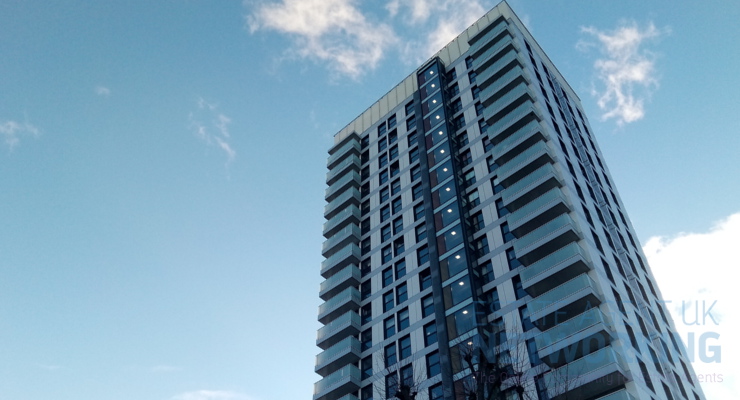
Many people, especially youngsters, want to live in a modern, high-rise condominium. As a result, you can see beautiful and well-designed towers rising all over cities across the world, particularly in advanced countries.
Besides all the benefits these towers have, there are countless matters and problems regarding designing and manufacturing such buildings.
The plumbing system is one of the most crucial parts of each building and requires special care different from normal apartments.
Whether you’re a designer interested in such buildings or a resident or manager in these condominiums, you need to become familiar with their plumbing requirements.
That’s why we’ve listed some important tips regarding high-rise plumbing systems.
Consider pressure drop in water flow
Low water pressure is very frequent in high-rise buildings, especially on the higher floors and in penthouses.
Water comes from the city municipal water supply and undergoes lots of elbows and vales each of reduces the pressure. It should pass through pumps to increase the water pressure.
These systems can comprise a network of smaller diameter pipes, water pumps, and even water tanks on the building’s roof to assist raise water pressure by gravity.
As a result, the water pressure on the lower floors is high, but as the water flows up the building via the risers, it diminishes.
This can result in very low water pressure in the top units, especially during periods of intensive usage. If you have several leaks, having your water pressure tested and your system improved or fixed will assist restore water pressure.
Frequently check drain pipes for clogs
Clogs in your drain pipes can cause delayed drainage in individual units and, in the worst-case scenario, a sewage backup.
Grease, foreign items like toys, and paper products other than toilet paper are the most common causes of clogs. Pet fish, cat litter, pet waste, paper towels, wet wipes, feminine hygiene products, face tissue, grease, oil, meat trimmings, and fruit and vegetable rinds are all examples of goods that should not be flushed down drains.
You may use a leaflet or material on your building’s website to tell your tenants about the best plumbing pipe practices in order to limit the frequency of drain and sewer line blockages.
Don’t postpone fixing leaks
Older plumbing systems, particularly ones that were built 20 years or more ago, are prone to leakage.
Corrosion, rust, and leaks between pipes and couplings or valves are to blame. A yearly plumbing pipe check that identifies leaks is suggested in order to find leaks early before they drastically increase your water use and result in poor water pressure on the higher levels.
Alternatively, there are new gadgets on the market that can automatically identify and warn you of plumbing pipe and appliance leaks.
Avoid using traditional appliances that consume too much water
Another prevalent issue is that older appliances and water fixtures consume far more water than their current counterparts.
We recommend replacing obsolete faucets and showerheads with low-flow equivalents. You can consult with a professional team like R & Z Plumbing to make sure you’re buying a high-quality and cost-effective appliance.
Installing water faucets with sensors that only turn on the water when a hand is detected is another option for bathroom sinks.
You can also opt to install low-flow toilets and energy-efficient appliances like washing machines and dishwashers, which use far less water than units made even five years ago.
Design and implement standard safety valves
You want to make sure that all of your water safety valves are in excellent working condition and not clogged or frozen by corrosion and silt, in addition to sensors and technology that automatically detects water leaks and shut off water to the leaking region.
Water cutoff valves for any outdoor water features, such as fountains and sprinkler systems, as well as shutoff valves for every appliance and even shutoff valves for each level, should be installed in high-rise structures.
These valves may be changed to the closed position in an emergency to stop off the water to specific locations and prevent major water damage while a Chicago plumber is contacted.
Schedule a frequent maintenance plan
High-rise buildings may wish to execute a plumbing maintenance plan that includes frequent drain cleaning and testing to detect tiny leaks before they cause catastrophic water damage and astronomical repair costs.
Many expert plumbers recommend that you get your drain lines cleaned and your water pressure tested at least once a year.
Install separate flow meter for each unit
If you live in an older building, each apartment may not have its own water meter. This makes it hard to precisely assess each unit’s water use, perhaps resulting in high water bills for units that aren’t consuming much water.
This is because, in high-rise buildings that aren’t sub-metered, water use is frequently distributed evenly based on the number of units and persons in each unit.
Rather than guessing, put water meters in each unit so that all of your residents are appropriately invoiced for their water use.
If one or more units encounter significant increases in their water costs, this may also aid in the detection of leaks.
Conclusion
There are many things you need to know about the plumbing systems of high-rise condominiums. We tried to list some of them and let you know how to design and implement such systems. It’s recommended to study the HVAC system in high-rise buildings as they also have many problems.

You May Also Enjoy

London rents outperform property values
Rental property availability falls
Average advertised rents surpass £1,400 for the first time

Barclays unlocks wider mortgage access for company directors

Homebuyer demand fall in Q3