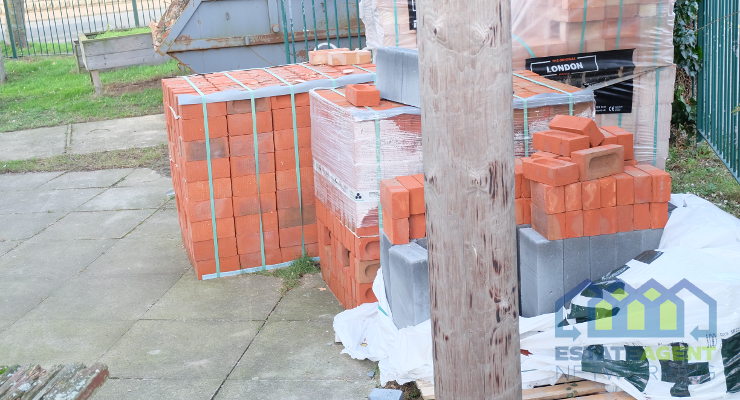
Contaminants that stain the facades of high rise commercial buildings

High rise buildings are part of our cities’ characters and identities. But even the most impressive looking building can lose their shine and look dirty, particularly when they have precast and concrete facades. As a building owner, how do you identify the source of pollution? This is the key to removing the problem stains and selecting the correct method to revitalise the building’s exterior.
Let’s look at the causes of staining:
Soot: Soot stains occur predominantly in cities with dense traffic and highways that pass close to the buildings they affect. Smoke and ash, as well as car emissions, can cause soot staining.
Oil: Oil stains are usually found around chimneys and vents on buildings or buildings involved with oil, such as manufacturing and garages. As such, it rarely the cause behind staining in modern high-rise buildings in cities.
Paint: Again, this is an uncommon issue, but runoff stains can occur, affecting the façade of a building. However, graffiti is common, and inner-city buildings can be hit hard by this form of defacement. The longer the paint is left on walls, the harder it can be to remove.
Moss: Plantlife such as moss will affect the look of a building’s walls, giving it a green hue. However, because it takes root in brickwork, it can cause lasting damage too. This occurs commonly in environments high in environmental moisture. It can also happen when debris collects on the surface of a building, restricting airflow, and creating a high-moisture surface where the plant life can thrive. Also avoid Slime and Grime as this can be hard to clean.
Dust: This can be made up of materials like pollen, soil, and sand. It settles on walls, but with moisture and rain, it runs off under ledges, frames, and windows, leaving marks, stains, and irregular colour on the exterior.
Rust: Also known as oxidation or corrosion, which occurs on metal surfaces and stainless steel. It occurs in environments high in salt.
Efflorescence: When water penetrates brick or limestone, which are porous, it can dissolve the salts found in the cement and mortar. When this evaporates, the salt residue is left on the building.
Pressure cleaning is one of the most fast, efficient, and affordable methods of cleaning the facades of high-rise buildings. The cleaning is undertaken using rope access technicians, which means they can reach otherwise hard-to-reach areas to apply the pressure cleaning system.
The pressure washing method makes use of blasts of water emitted from a pump at high intensity. The pressure generates kinetic energy. This breaks up the contaminants that have become chemically bonded to the surface of the walls. Detergents and soaps may be required to loosen the debris.
How much does it cost to pressure clean a high rise building?
Every building is different, but it makes sense that the higher the building, the more expensive it will be to clean. Skyscrapers, such as those that are 20 storeys or higher, will require more stringent safety processes. There are hard costs and standard fees that you can count on when getting a quote from a commercial building cleaner, but there are other factors they may take into account that you haven’t considered.
Here are some further considerations that may affect the cost of cleaning a building.
The weather. The cleaning team will need to assess the direction the wind is travelling in and if and when it is safe to clean certain sides of the building. This may cause delays as rigs may need to be moved around the building on different days as the weather changes, leading to delays that may not have been taken into account.
Speed. If you have been quoted on a rate per hour, it can be a concern if the job takes longer than expected. However, it’s crucial to consider that safety will be the number one consideration of the cleaning team. Time spent on ensuring all tie downs and anchor points are secure and that equipment is secure, is time well spent. Any accident occurring on your property will cause longer delays anyway. On this note, always check that the company you employ to clean your building has all the certification and insurance in place before you hire them.
One of the benefits of having your building cleaned is that because the teams get close to hard to reach areas and places of the building that are not always visible, they may pick up structural issues with the construction that require further maintenance or repairs. While this will add unexpected costs, it’s worthwhile exploring having the problems addressed while you have the team on your property. Ask them for a building report that documents issues they encounter while they work. Fixing a small problem before it becomes a bigger one will save you money in the long term.

You May Also Enjoy

London rents outperform property values
Rental property availability falls
Average advertised rents surpass £1,400 for the first time

Barclays unlocks wider mortgage access for company directors
Homebuyer demand fall in Q3