Guide to deciphering property surveys
To help buyers navigate the world of property surveys, Cheke & Co has compiled a step-by-step, guide:
Why do I need a property survey?
Having a professional survey report is crucial to making informed decisions when purchasing a property. Our reports provide you with expert advice to:
- Make a reasoned and informed decision on whether to go ahead with buying the property
- Determine a reasonable price for the property based on its condition and any potential repair needs
- Take into account significant repairs or improvements the property may require, helping you avoid unexpected costs after purchase
- Identify what further advice you should seek before committing to purchasing the property
What type of report do I need?
We understand that different buyers have different needs. That’s why we offer a range of survey options to suit every situation:
- RICS Level Two Home Survey (formerly a Home Buyer Report): Perfect for those looking for more detailed information, this report includes all the benefits of the Condition Report, plus additional insight into the property’s structure, condition, and any issues that might affect its value
- RICS Level Three Survey (formerly a Building Survey): For older or more complex properties, or if you’re concerned about major defects, our Building Survey offers an in-depth analysis of the property’s condition, including advice on repairs and long-term maintenance
Clear, visual indicators with RICS condition ratings
We use the RICS condition ratings system, which employs a simple traffic light system to indicate the severity of any issues found during the survey. This straightforward approach allows you to immediately understand what needs urgent attention and what can wait. Green (1) means everything is fine, amber (2) suggests some repairs are needed, and red (3) signals immediate action is required.
Easy-to-understand reports
We know how intimidating a technical survey report can be, which is why we use the RICS format – designed to be user-friendly and straightforward. Our reports are clearly structured with easy-to-read summaries, helping you quickly grasp the most important findings. We also provide a glossary of terms and diagrams of the building’s key features, so you can understand what we’re referring to. Here are five of the most commonly used terms that we are asked about:
- Damp-proof course (DPC) – this is your home’s waterproof barrier against rising damp. It’s built into the walls near ground level to stop moisture from creeping up from the soil. If your DPC is damaged or missing, you might start seeing damp patches on your lower walls—something no homeowner wants to deal with!
- Thermal movement – have you ever noticed small cracks appearing in walls and wondered what’s causing them? Often, it’s just thermal movement – materials expanding and contracting as temperatures change. It’s usually nothing to worry about, but if cracks start getting wider or recurring in the same place, it’s worth a closer look. This is when the ground beneath your home shifts, causing the foundations to move but this is only in very extreme cases. It does sound scary, but not all cracks in your walls are serious. If we suspect an issue, we’ll recommend further investigation, because catching it early can save you a lot of stress and money.
- Wall tie failure – wall ties are the small but mighty connectors that hold together the two layers of a cavity wall. Over time, these ties can corrode or break, leading to cracks in your brickwork and even structural instability. If we spot early signs, we’ll let you know so you can address it before it becomes a major issue.
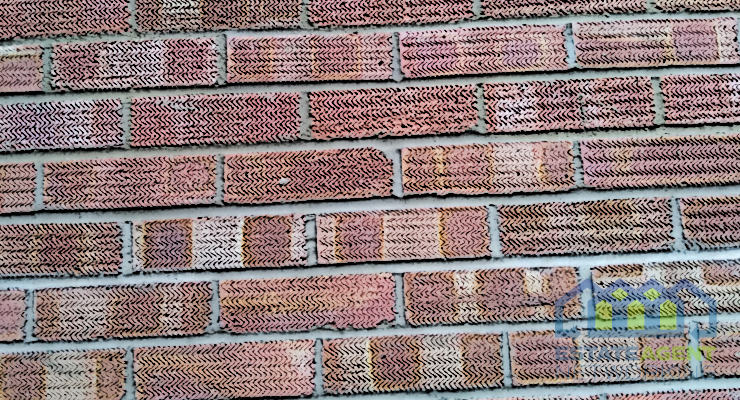
- Efflorescence – if you’ve ever spotted a white, powdery substance on brickwork, that’s efflorescence. It is actually just salts being drawn to the surface by moisture. It’s usually harmless, but it can sometimes be a sign that your walls are holding too much water – so it’s worth keeping an eye on.
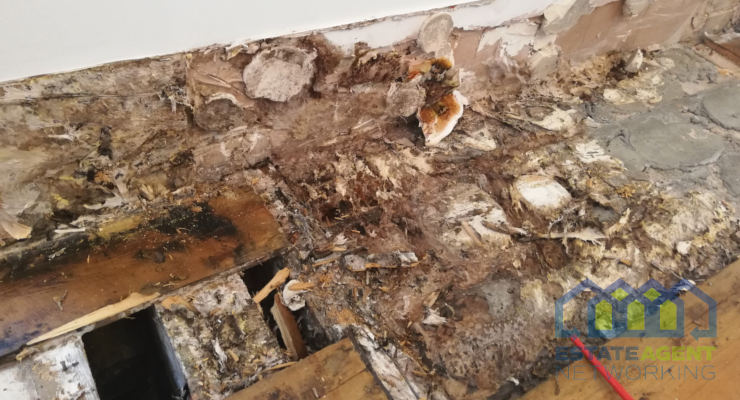
- Dry rot – dry rot is a type of wood decay caused by a fungus that thrives in damp, poorly ventilated areas. Dry rot is particularly concerning because it can spread quickly through timber structures and cause significant damage. It’s a common issue in older buildings and can be difficult for homebuyers to spot unless there is visible fungal growth or a musty smell.
Personalised follow-up to combat commonly misunderstood jargon
Once we’ve completed your survey, we don’t just leave you with the report. We make sure to follow up with every client, offering a dedicated phone call or meeting to go over any concerns and answer questions.
David Clifford-Smith, Director at Cheke & Co, explains: “Survey reports are vital for homebuyers, but they can often be difficult to digest by those who have requested them. At Cheke & Co, we believe in clear, accessible information and our reports include detailed building diagrams and a glossary of terms to ensure the technical details are as clear as possible.
“We also follow up with our clients to answer any questions they may have, with our aim of helping buyers fully understand the type of report they need – and its findings – to make confident, informed decisions.”

You May Also Enjoy
Seven things to do if a tree damages your property

Leasing demand rises across all sectors
Don’t Put The Property Market On Pause
Before You Sign: 10 Things Home Movers Wish They Knew

Property expert warns homeowners to lock in amid mortgage rates uncertainty