

Seven things to do if a tree damages your property
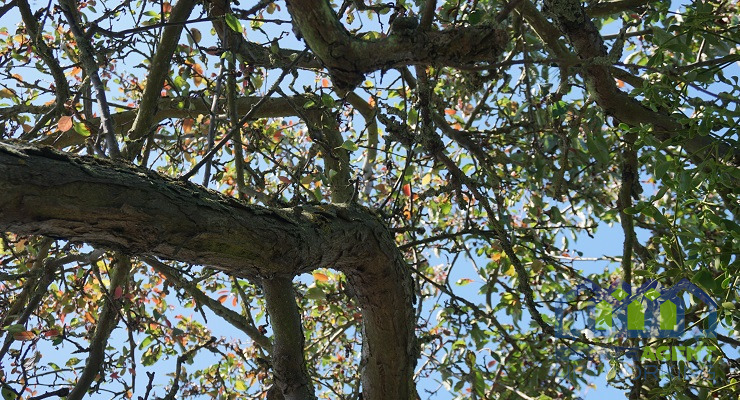
Storm Austen and Storm Boelo are bringing strong winds and heavy rain across the UK this weekend, meaning homeowners could find themselves dealing with fallen trees, damaged roofs, crushed cars and difficult conversations with neighbours about who should pay.
But what should you do if a neighbour’s tree comes crashing through your roof? Will your insurance cover the damage? And could you be liable if your own tree falls onto someone else’s property?
Sarah Dodd, a specialist tree law solicitor at Tree Law, has shared seven things homeowners should do if a tree falls during the storms.
- Make safety the priority. Stay away from unstable trees, hanging branches and electricity cables. Don’t attempt dangerous clearance work yourself.
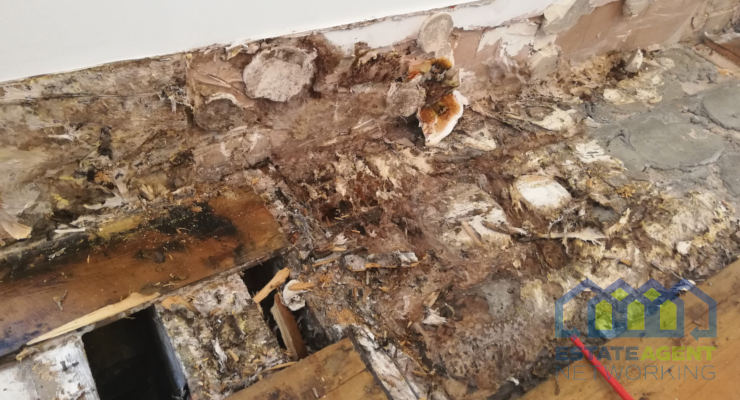
- Photograph everything. Record the position of the tree, the damage, exposed roots and any visible decay before anything is removed, provided it’s safe to do so.
- Notify your insurer promptly. Check whether your policy covers the damage, tree removal costs and any expert inspections. Buildings insurance will generally cover damage to your home, but fences, gates and fallen trees that haven’t damaged a building can be more complicated.
- Speak to the tree owner. If the tree came from neighbouring land, let the owner know and discuss how to manage the clear-up. They aren’t automatically responsible for the damage simply because the tree belongs to them.
- Use a qualified and insured tree surgeon. Fallen trees can be extremely dangerous to dismantle, particularly when branches are under tension or resting against buildings.
- Check whether the tree is protected. Tree Preservation Orders and conservation area protections may still apply. Emergency exemptions can allow necessary work, but homeowners should check the requirements and keep evidence.
- Preserve evidence if liability is disputed. If there’s a potentially significant claim, consider arranging an independent investigation before the tree is disposed of. Evidence of decay or previous damage could help establish whether the tree owner was negligent.
Sarah also explains that a storm doesn’t automatically remove someone’s legal responsibility for damage caused by their tree. Which surprised me, but turns out there is nuance.
“A healthy tree falling in extraordinary winds is one thing. A visibly decayed tree, which has been the subject of repeated warnings and has then been left standing next to a busy road or neighbouring house, is quite another.”
She also warns against clearing everything away before the cause of the tree’s failure has been established.
“Once a tree has been cut up and removed, valuable evidence of decay, root failure or other structural defects can be lost permanently.”

You May Also Enjoy
Seven things to do if a tree damages your property

Leasing demand rises across all sectors
Don’t Put The Property Market On Pause
Before You Sign: 10 Things Home Movers Wish They Knew

Property expert warns homeowners to lock in amid mortgage rates uncertainty