The Foundation of Your Home: Why Your Subfloor Dictates Your Flooring Destiny
In the field of residential and commercial renovation, the aesthetic selection of a floor covering—be it the grain of a hardwood plank, the texture of a stone tile, or the finish of a luxury vinyl—often commands the most attention. However, from a technical perspective, the long-term performance and durability of these materials are entirely dependent on the condition of the subfloor. A floor’s success is measured not just by its surface appearance, but by the stability of the foundation beneath it.
The emphasis must always be placed on the structural integrity of the base layer as the primary factor in determining material suitability. Proper surface leveling and professional subfloor remediation are standard requirements to ensure that the finish layer is supported by a stable, flat, and dry surface. Understanding this relationship is a vital consideration for the safety and long-term value of any property, which is why homeowners often rely on a Professional flooring company in London to manage these critical initial stages.
The Role and Composition of the Subfloor
The subfloor is the load-bearing horizontal layer that sits directly on the floor joists. It acts as the structural “skeleton” for the interior environment. In contemporary construction, this layer typically consists of plywood or oriented strand board (OSB). In many urban settings or ground-floor units, the subfloor is a concrete slab, while historical properties may feature traditional timber planks.
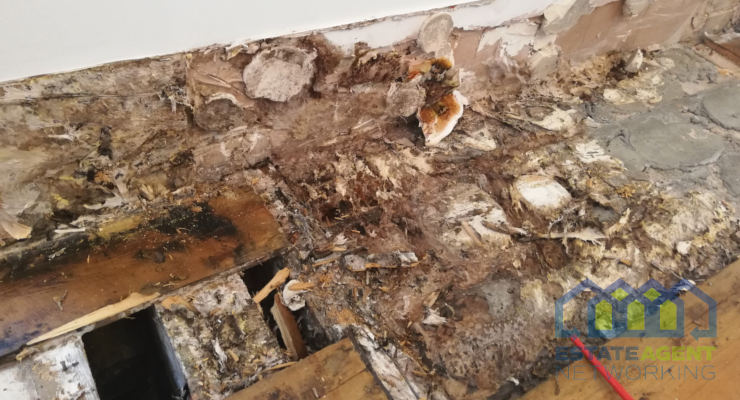
Because the subfloor provides the base for everything above it, its physical characteristics dictate the lifespan of the finish flooring. Before a material is selected, a comprehensive structural assessment is recommended to evaluate three critical variables:
- Moisture Content: The presence of water vapor can cause organic materials like wood to expand, warp, or decay over time.
- Deflection: This refers to the amount of vertical “flex” or movement in a floor when subjected to a load. High deflection is the leading cause of failure in rigid materials.
- Planarity: A floor must be level and flat across its entire span. High spots cause uneven wear, while low spots create “springy” sensations and audible noise.
How Foundation Materials Influence Flooring Options
Concrete Slabs and Moisture Migration
Concrete is a porous material that naturally holds and transmits moisture from the ground. This creates a challenging environment for many natural materials. For example, solid hardwood is prone to cupping or crowning when installed directly over concrete without significant moisture barriers. In these instances, engineered wood or luxury vinyl are often utilized as more stable alternatives because their construction allows them to handle the environmental stresses of a slab more effectively.
Timber Subfloors and Rigid Materials
Plywood and OSB offer versatility but are subject to deflection. This flexibility is problematic for brittle materials such as natural stone or large-format porcelain tile. If a wood subfloor has too much movement, it will eventually lead to cracked grout lines or fractured tiles. To prevent this, it is necessary to ensure foundations meet industry-standard deflection limits, which often involves the addition of specialized underlayments or cement boards to increase the necessary rigidity.
Existing Flooring as a Base
In some renovation scenarios, new flooring is installed over an existing layer, such as old parquet, linoleum, or vinyl. While this can reduce demolition costs, it must be approached with caution. Adding layers can affect door clearances and floor heights. A thorough inspection is required to confirm that the original floor remains securely attached to the joists before proceeding with an overlay installation.
Why Subfloor Decisions are Vital for the Home
Selecting a flooring material that is incompatible with the subfloor typically leads to premature failure. This often manifests as structural noise—those persistent squeaks and groans that detract from the quality of a home. Furthermore, most manufacturers will not honor a product warranty if the subfloor was not prepared to their exact technical specifications.
Beyond the financial and aesthetic risks, subfloor health is directly linked to indoor air quality. If moisture is trapped beneath a new floor without proper ventilation or barriers, it can lead to mold growth. Prioritizing the subfloor protects the structural integrity of the property and explains why the foundation truly determines the lifespan of the finish.
Professional Technical Standards
A professional approach to flooring is based on providing a stable foundation through technical accuracy and the application of established industry standards. This process ensures that the finished result is both durable and structurally sound.
Assessment Protocols Project planning should involve a detailed diagnostic of the existing site conditions. Professional sensors are utilized to measure moisture content in both wood and concrete, and precision tools are used to check for levelness across the floor span. If a foundation does not meet the required tolerances, corrective measures must be implemented, such as grinding down high spots in concrete or reinforcing wooden joist systems to eliminate movement.
Installation Methods To ensure a renovation is built on a stable foundation, property owners can access a professional fitting services across Greater London and nearby areas. This provides the technical oversight required for an installation that maintains its integrity and appearance for the long term. Proper alignment between the subfloor and the finish material is the most effective way to ensure a quiet, stable, and durable floor.

You May Also Enjoy

Seven things to do if a tree damages your property

Leasing demand rises across all sectors

Don’t Put The Property Market On Pause
Before You Sign: 10 Things Home Movers Wish They Knew

Property expert warns homeowners to lock in amid mortgage rates uncertainty