Tenant confidence in RRA compliance sits at just 32%
Barely a third of managed tenants believe their management company is compliant following RRA changes
The latest insight from property management specialist, Rushbrook & Rathbone, reveals that whilst managing agents had until 31st May to distribute new documentation following the latest RRA implementations, almost 60% of tenants living in managed properties have seen no changes at all made to their tenancy agreements.
Rushbrook & Rathbone has surveyed 1,105 UK tenants who live in managed properties* to gain insight into how their property management company has responded to the radical legal changes introduced by the Renters’ Rights Act (RRA) on 1st May.
Now that the implementation period has passed, the findings suggest that many tenants remain uncertain about how the legislation has affected their tenancy and whether their property manager has taken the necessary steps to comply with the new requirements.
The first glaring issue for tenants is a lack of clear communication coming from their manager, with many left uncertain about what the new legislation means for them in practice.
Just 29% of tenants say their management company has thoroughly communicated and explained the changes resulting from the RRA, while 50% report receiving no communication at all.
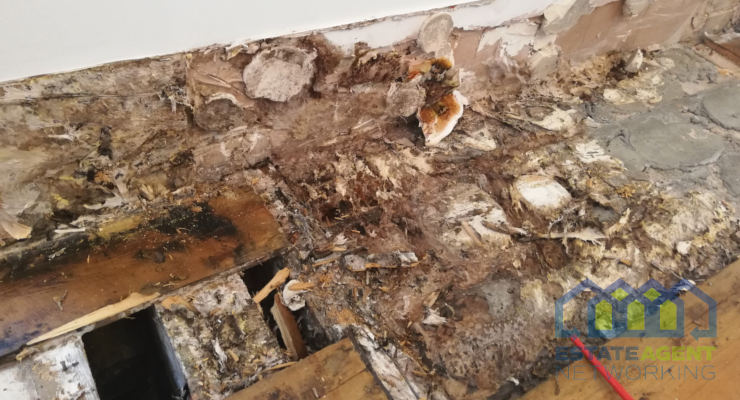
This lack of clarity appears to be impacting confidence in standards, with just 40% of managed tenants believing their property fully meets the new RRA requirements regarding health and safety hazards, including damp and mould.
This is particularly concerning given that only 41% of tenants say their manager has historically addressed maintenance issues without delay, suggesting long-standing shortcomings may still be going unresolved.
Since hearing about the RRA, a significant 91% of tenants report seeing no noticeable change at all from their property manager, with just 7% saying they’ve observed improvements.
Only 19% say their manager has responded proactively by addressing issues such as damp, mould, or safety concerns within the home. A further 6% say some minor improvements have been made, although communication surrounding these actions has been limited, while 7% feel their manager is aware of issues but has been slow to act.
Meanwhile, 69% say their manager has either taken no visible action, or they simply don’t know due to a continued lack of communication.
This apparent lack of action is further reflected in tenancy agreements themselves. Almost 60% (59%) of tenants say their agreements have not been updated to reflect the changes introduced by the RRA, despite managing agents having a deadline of 31st May to have sent new documentation.
Taken together, the findings suggest that many tenants remain unclear about both their rights and their property manager’s responsibilities under the new legislation, despite the implementation period having now passed.
Just 32% believe their manager is fully compliant, whilst 42% believe there are at least some gaps in compliance. A further 26% simply don’t know, highlighting the extent to which poor communication may be undermining confidence in the sector.
Roma Sharma, Managing Director of Rushbrook & Rathbone, commented:
“With the implementation period now behind us, tenants should have confidence that their property manager has taken the necessary steps to comply with the new legislation and communicate any relevant changes.
However, our findings suggest that many tenants remain uncertain about what has changed, what protections are now in place, and whether their property manager has fully adapted to the new requirements.
At the same time, the absence of visible action – particularly when it comes to issues like damp, mould and general safety – points to a wider problem within parts of the industry, where compliance risks becoming a box-ticking exercise rather than a genuine commitment to raising standards.
For property managers, this is a clear moment of accountability. Those who fail to communicate transparently and act decisively risk falling short of both their legal obligations and tenant expectations. By contrast, there is a real opportunity for responsible operators to set themselves apart by being proactive, responsive, and fully aligned with both the letter and the spirit of the new law.”

You May Also Enjoy

Seven things to do if a tree damages your property

Leasing demand rises across all sectors

Don’t Put The Property Market On Pause
Before You Sign: 10 Things Home Movers Wish They Knew

Property expert warns homeowners to lock in amid mortgage rates uncertainty