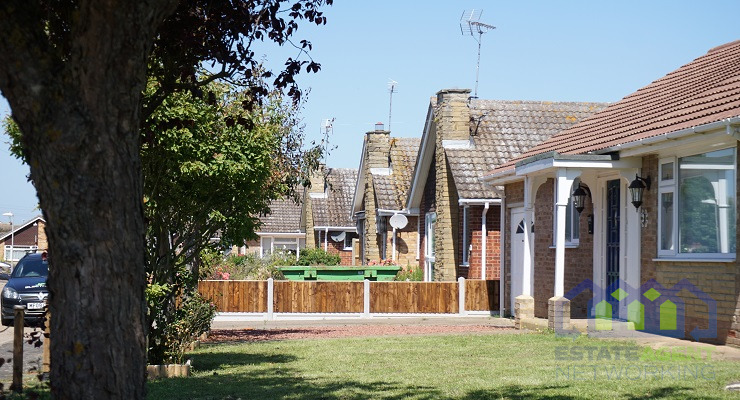


Commonly Used Building Construction Materials in the UK
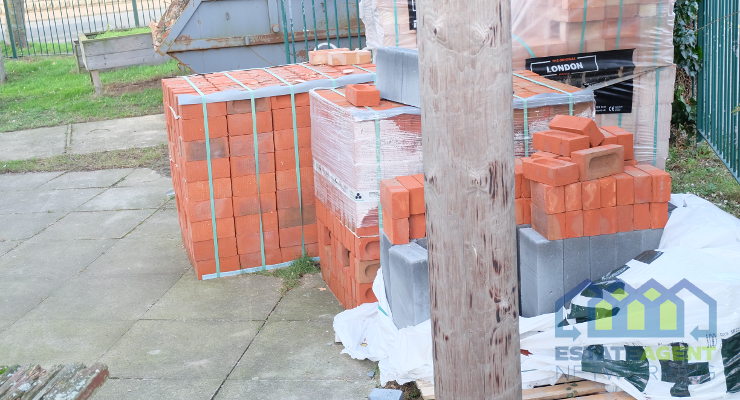
Building materials used in the construction industry depend on the design and national standards in using these materials. In the UK, construction materials used are usually manmade and are treated and prepared before construction companies can use them for building.
Whether it be a remodeling project or new construction, most builders from the UK are using masonry. Usually, these are done by self-builders. These self-builders are innovative in that they explore other alternatives during construction.
Before a building construction starts, a site should be cleared of debris. To do this, a digger, most commonly known as an excavator, is used in digging trenches to set the foundations of the building before the construction starts. Digger hire in Bedford is available to provide digging services that save costs and time.
Most Common Construction Materials
1. Bricks
As mentioned earlier, British builders often use bricks and blocks in construction. In the UK, almost 70% of newly built homes are made of bricks. In using these materials, the blocks are usually made of clay or mud. These are frequently used during the 1900s since bricks are considered fire-resistant. Though more expensive than other materials, bricks are still popular in the construction industry due to their attractive appearance and durability.
2. Concrete
Concretes are made by mixing an aggregate material and a binder which hardens as it dries. The durability of the cement depends on how the concrete mix was made. Concrete can be poured into a mold to make any shape. It would take at least seven days to harden and cure so construction schedules should be adjusted if needed.
There are times that the mixing can be done by yourself. Instructional materials on how to mix concrete are easy to follow and finish. However, it is important to get the proper ratio of the aggregate and the binder to get the full durability of the cement.
3. Steel
Engineers usually use steel in making the frameworks of the building. The stainless steel used by construction companies has higher strength and can resist corrosion due to its added chromium. Compared to other metals, steel relatively costs higher but choosing the cost-effective sizes that can handle actual load can save you money. Also, this can be installed faster than concrete in any environment.
Aside from a building’s framework, steels are also used in surface coverings as well as for rooftops.
4. Wood
A versatile material, wood is used in building structures in any climate. It maintains its strength even on a maximum load. Usually, wood is used for framing. During these modern times, woods can now be used as floor finishing’s, building cabinets, kitchen cupboards, and home improvements.
5. Clear Plastic Sheets
Rather than taking weighted loads, strong, clear plastic is commonly used for aesthetics such as a kitchen splashboard or as secondary glazing in your windows. A clear perspex sheet is far cheaper than glass yet no less versatile. Sheets can come polished or unpolished, depending on what you need them for. And they stand up well to the British weather, making them an excellent choice for a greenhouse.
Conclusion
It is important to consider durability when choosing a building construction material. Taking a look at the tests done for each can help you decide which one to choose. Each material has its pros and cons when it comes to construction. Being informed about every material characteristic will save you time, effort, and money on construction.

You May Also Enjoy

Renting an Apartment for Streaming and Gaming: What to Check Before Paying the Security Deposit

London rents outperform property values

Rental property availability falls
Average advertised rents surpass £1,400 for the first time

Barclays unlocks wider mortgage access for company directors