CP12 Landlord Certificates: What They Are and Why You Need Them
If you’re a landlord in the UK with gas appliances in your rental property, you’re legally bound to ensure they’re safe. That’s where the CP12 certificate for landlords enters the picture.
Also called a Landlord Gas Safety Record, the certificate assures that your property’s gas installation is safe and in accordance with regulations. Yet, despite its significance, few landlords are still unclear about what it entails, who requires it, or how often they have to get it renewed.
Here’s the lowdown.
What Is a CP12 Certificate?
A CP12 certificate is given after a Gas Safe registered engineer inspects the gas appliances, pipework and flues on your rental property. It assures that all is functioning safely at the time of inspection.
The title “CP12” originates from the former CORGI scheme (Council for Registered Gas Installers), which was replaced by the Gas Safe Register in 2009. Although not its formal title anymore, “CP12” remains widely used throughout the industry.
What Is the CP12?
During a CP12 inspection, the engineer will inspect:
-
Boilers
-
Gas hobs or cookers
-
Gas fires
-
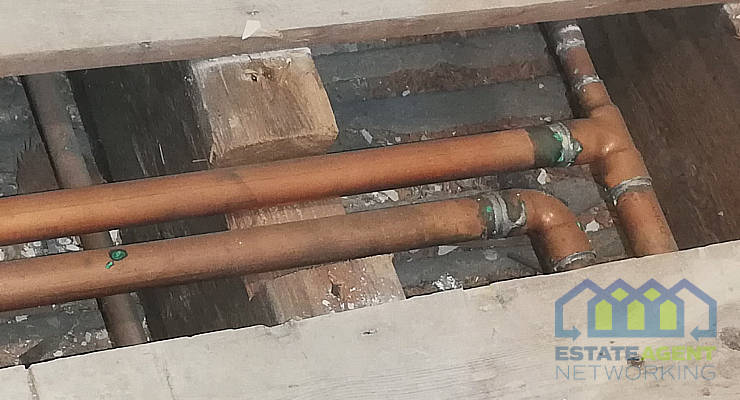
Pipework and gas meters
-
Flues and ventilation
-
They’ll check for:
-
Safe pressure and gas flow
-
Correct ventilation
-
Carbon monoxide hazards
-
Faulty or leaking pipework
Evidence of wear or unsafe connections
Upon inspection, you will be issued with a certificate indicating:
-
Property address
-
All appliances checked
-
Faults or safety issues
-
Whether appliances are safe
-
Engineer’s name and Gas Safe Registration number
Who Requires a CP12 Certificate?
You’ll require a CP12 if you are renting out a property that is fueled by gas — even if only one appliance. This includes:
-
Private landlords
-
Letting agents on behalf of a landlord
-
Housing associations or local authorities
-
Student accommodation providers
-
Holiday let owners (if let for over 28 days a year)
How Often Do You Need One?
You need to have a gas safety check carried out every 12 months. As a landlord, you are legally obliged to:
-
Organise annual checks
-
Provide a copy to tenants within 28 days of the test
-
Supply it prior to new tenants occupying
-
Retain records for a minimum period of two years
What Happens If There’s a Problem?
If something isn’t safe, the engineer will mark it:
At Risk (AR) – the fault isn’t immediately dangerous, but could become so
Immediately Dangerous (ID) – the appliance poses a serious risk and must be switched off
In these cases, you’ll need to arrange repairs urgently. Once fixed, the engineer will need to carry out a re-check before issuing a valid certificate.
Only Use Gas Safe Registered Engineers
This is not negotiable. In the UK, it’s against the law for anyone who isn’t Gas Safe registered to work on gas.
When you book your inspection:
-
Request to view the engineer’s Gas Safe ID card
-
Check them at gassaferegister.co.uk
-
Ensure they’re competent to operate on the appliances in your building
Having an unregistered engineer doesn’t just invalidate the certificate — it risks your tenants’ safety and can get you in trouble with the law.
Why the CP12 Matters
Gas safety isn’t a formality. Faulty gas appliances can cause fires, explosions, or carbon monoxide poisoning — often without warning.
Having a valid CP12:
-
Shows you’re fulfilling your legal duties
-
Protects your tenants from harm
-
Helps avoid fines, legal action or invalidated insurance
-
Keeps your property safe and operational
CP12 Certificates and Tenancy Agreements
Most assured shorthold tenancy contracts (ASTs) have the requirement for landlords to issue a CP12. Not doing so can lead to problems if you ever have to serve a Section 21 notice in order to get your property back.
Digital CP12 Certificates
Increasingly, engineers will send you a digital copy of the certificate. They are equally acceptable and easier still to file away, email to tenants, or pass on to your letting agent.
Final Word
If you’re a landlord, a CP12 is not just another form — it’s your certificate that your building is legally compliant and safe to inhabit. Neglecting to maintain gas safety checks could endanger lives and cost you thousands in fines or lawyers’ fees.
Book your next check with a Gas Safe registered engineer, record-keep, and stay ahead of renewal. It’s a small step that keeps your tenants and your investment safe.

You May Also Enjoy

Seven things to do if a tree damages your property

Leasing demand rises across all sectors
Don’t Put The Property Market On Pause
Before You Sign: 10 Things Home Movers Wish They Knew

Property expert warns homeowners to lock in amid mortgage rates uncertainty