Essential Do and Don’ts Of Renovating A Period Property For Sale
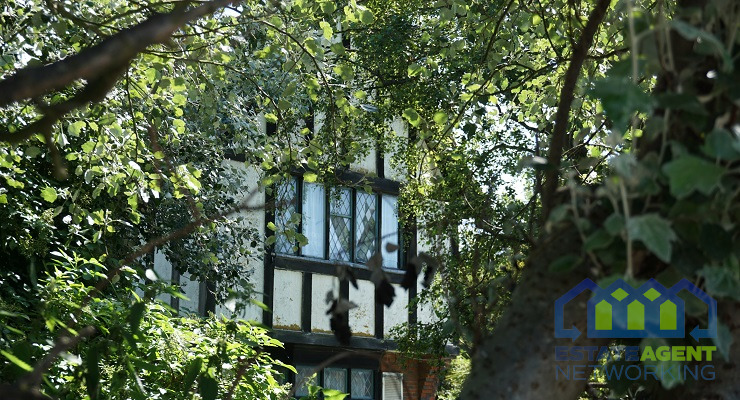
When it comes to selling a period property there are lots of things that a buyer will look for such as style, era, and location. However, among the most important factors that buyers will be interested in is the quality of any renovation work that has been done. Indeed, when it comes to renovating a period property for sale there are some essential dos and don’ts that you can let guide you to a better and more profitable result. Read on to find out what they are.
Don’t over-modernise
Tempting as it may be to gut the interior of your period property and filling in with sleek contemporary fittings and decor, it’s vital that you don’t over modernise your renovation.
Indeed there are two vital reasons why you should attempt to conserve and optimise the original features in your period property. The first is that buyers will always pay a premium for original features, especially those that are lovingly and tastefully restored.
While the second is that while modern-contemporary homes can be beautiful, it’s far easier and cheaper to buy a property that is designed in the manner, than to rip out the bowels of an older home, wasting precious history in the process.
Do make the best use of all the space
When renovating a period property for sale, be sure that you are maximising the usable square footage. After all, property prices are largely based on the size of the home, and so by adding more you can increase the value.
Of course, many people think that the best way to increase the square footage of a period property is to add an extension. However, this isn’t always the case. Instead finding a Basement Construction Company that can renovate existing unused space in your period property can be a much more cost-effective way of creating more usable space. Thereby pushing the value of your home up into the next price bracket.
Don’t use the wrong materials
Selecting materials that are sympathetic to the period property you are renovating is vital if you want to maintain and boost its value.
There are multiple reasons for this including achieving a more authentic look and maintaining the historic integrity of the building. Also, older homes were designed to breathe to prevent damp and mold, while ones built from newer materials are much more impermeable. Unfortunately, that means if you mix the two kinds you can end up damaging the function of the building and reduce its value.
Do carefully consider any energy efficiency tactics
Last, of all, it is important to remember that most period properties were not built with the consideration for energy efficiency that modern properties are. This means that work will need to be completed on them if we want to improve their energy efficiency rating, something that is always popular with buyers.
However, standard energy performance advice may not be suitable for period properties. Mainly because older properties were designed to breathe, while more modern properties were not. What that means is modern eco techniques can seriously interfere with the structure of the home. Therefore specialist advice will be needed before any action is taken here.

You May Also Enjoy
Residential projects remain under pressure

Homebuyers hold tight ahead of Autumn Budget

House price growth accelerates in Q2

House prices hold steady despite impact of higher interest rates

Breaking Property News 5/10/26