Fledgling homeowners cut costs by taking on fixer-uppers to achieve dream home
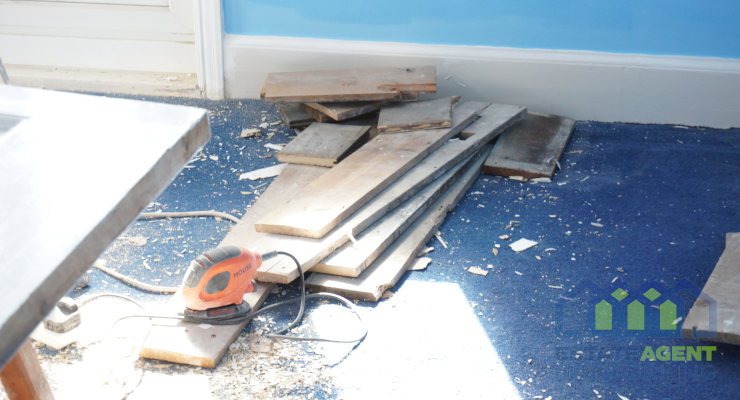
66% of first-time buyers bought a cheaper home because it needed DIY or renovation work done
Many choosing a ‘fixer-upper’ were able to buy in their preferred location, add value and put their stamp on it
DIY almost mandatory among first-time buyers, with 93% completing at least one project since moving in
But three quarters of first-time buyers have carried out more work than they expected at the outset
Nationwide’s recent ‘What Adds Value’ report reveals extensions or loft conversions can add up to 24% value
By borrowing more through Nationwide’s Helping Hand mortgage boost, Louis from Essex was able to keep money back from deposit to finance renovation costs
At a time when homeownership remains out of reach for many, first-time buyers are increasingly opting for cheaper properties needing renovation to get onto the property ladder, new research from Nationwide reveals.
However, three quarters (75%) carried out more DIY or renovation than they initially anticipated, with 25 per cent of those saying they had done much more than they expected, with 18 per cent taking on major structural projects in a bid to get their property shipshape.
The poll of 2,000 first-time buyers found that two thirds (66%) bought a cheaper home because it required DIY or renovation work, with 19 per cent saying it was significantly cheaper. Regionally, that was most likely to happen in the North East and least likely in Scotland. For many, choosing a ‘fixer-upper’ was a strategic decision rather than a compromise.
The research, conducted by Nationwide as part of a focus on its support for first-time buyers, suggests that buying a cheaper property that needed work enabled people to:
- Buy in the location they wanted (41%)
- Shape the home to their own tastes over time (30%)
- Increase the value of the property (23%)
- Prepare the home for future plans, such as starting a family (22%)
More work than expected:
DIY and renovation has become almost universal among first-time buyers, with 93 per cent completing at least one project since moving in, and 34 per cent saying they have carried out many projects. When it comes to taking on more work than initially envisaged, this was most prevalent in the North West, with 83 per cent1 saying they had done more than expected. This compares to just 68 per cent in Northern Ireland and the South East.
Despite this, enthusiasm remains high. Nearly nine in ten (89%) first-time buyers describe themselves as confident, excited or willing to take on DIY. One in five (20%) first-time buyers also admitted they specifically chose a property that needed work doing to it because they enjoy doing DIY and renovation projects.
Thousands spent turning properties into homes:
The extra work comes at a cost. Six in ten (60%) first-time buyers have spent more than £2,500 on DIY and home improvement projects since moving in, with 29 per cent spending over £5,000. The most common projects include painting and decorating, kitchen and bathroom improvements, new flooring and general repairs. Almost one in five (18%) have taken on larger structural projects, such as knocking through walls, building extensions or converting lofts.
Renovation can help build value:
Nationwide’s What Adds Value House Price Index report shows that bigger renovation projects can deliver significant long-term financial benefits. Adding a loft conversion or extension with a large double bedroom and bathroom can increase the value of a typical three-bedroom home by up to 24 per cent, reinforcing the appeal of buying a cheaper property that needs work.
Planning ahead with mortgage support:
Many first-time buyers are planning for these extra costs. Nearly two thirds (62%) factored DIY or renovation expenses into their savings when building their deposit. More than a fifth (21%) borrowed more on their mortgage so they could keep savings back to fund improvements after moving in.
Nationwide’s Helping Hand mortgage boost supports eligible first-time buyers by allowing them to borrow up to six times income – for some, that can mean helping them secure a home while retaining funds for essential renovation work.
That approach worked for Louis, 30, from Essex, who used Nationwide’s Helping Hand to buy his first home in Southend, freeing up savings that would have been used for the deposit to fund renovation costs on the property.
Louis said: “The property I wanted to buy needed some work done to it, so when my broker, John Charcol, mentioned Nationwide’s Helping Hand, it seemed the perfect solution. By being able to borrow more through my mortgage, I was able to put down a smaller deposit. This freed up money which I have been able to put towards the renovations on the house. I already bank with Nationwide so it’s great I’ve been able to get my mortgage with them too in what was a smooth and quick process.”
Carlo Pileggi, Nationwide’s Head of Mortgage Products, said:
“For many first-time buyers, opting for a cheaper property that needs work is a deliberate and savvy choice rather than a compromise. By taking on a home requiring renovation, they are not only able to get onto the property ladder in the location they want, but they can shape it to their own taste while adding to its value.
“Although there’s a real enthusiasm amongst first-time buyers to roll up their sleeves, our research suggests many have had to undertake more work than they initially intended. This is where planning and having the right support can make a real difference. Nationwide’s Helping Hand offers eligible buyers the opportunity to borrow more, helping them plan renovation costs and feel more in control as they turn a fixer-upper into the home of their own.”

You May Also Enjoy

Gap between house prices and earnings narrows

New Scheme Could Double Solo Buyer New-Build Options

Annual house price growth halves in September

Homesellers say valuation appointment is key
London’s rental market bucks the national trend