Beware of the underinsurance risk created by property alterations
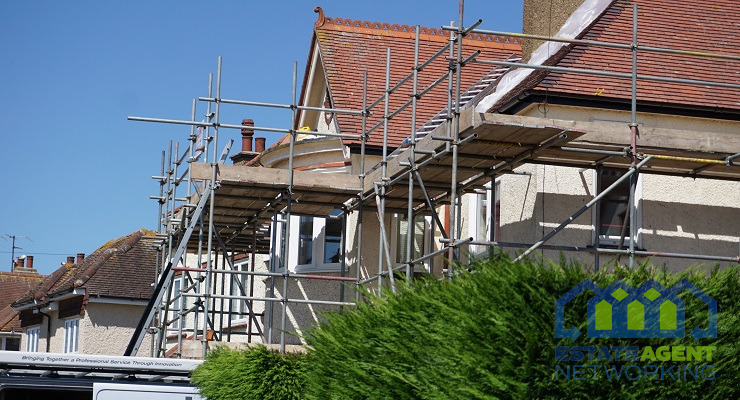
Property owners are being warned that while alterations may well improve a building, they can also change its rebuild cost. Where works materially affect a building’s size, layout, specification or services, the amount it is insured for may need to be reviewed, as a matter of urgency, according to experts at RebuildCostASSESSMENT.com
“It’s a common misconception that smaller renovation projects won’t affect the rebuild cost of a property,” says Sharon Masters AIIRSM MARLA, Technical Lead and Surveyor at RebuildCostASSESSMENT.com. “However, modern materials, additional rooms and system upgrades can all alter reinstatement costs, sometimes quite substantially.”
It is material changes that have the most impact on rebuild costs. Extensions, loft conversions, roof alterations, added bathrooms or kitchens, heating-system changes, fixed air-conditioning, replacement windows and doors, and major retrofit works can all alter reinstatement costs, especially where they affect regulated elements, specifications or floor area. Depending on scope, alterations can affect site-clearance costs and the cost of meeting current standards.
If the rebuild figure is not updated, owners can unwittingly fall into an underinsurance trap, which may leave claim settlements short of the amount needed for a reinstatement. The reverse can also happen. Over insurance may mean clients are paying more than is necessary, which could raise fair-value questions under the FCA’s Consumer Duty.
Notify the insurer before structural works begin
For brokers, the practical step is to ask about planned or recently completed material works at renewal and mid-term. Clients should also be reminded to notify the insurer before structural works begin, with an updated RCA arranged, once the final scope and specification are known.
For property owners, the aim is to keep the live policy and the post-works sum insured aligned with the building as it stands, rather than a historic version of it. “Even relatively modest works can alter reinstatement cost where they change regulated elements, specification, labour demand or safety requirements,” Sharon Master adds. “That is particularly true for retrofits, cladding-related work and more complex buildings.
“A useful rule of thumb is to review the rebuild cost when works change the floor area, roof form, layout, external envelope, services or the build quality. Planning permission or building-control involvement can be useful warning signs, but they are not the only trigger.”
Reviewing the rebuild cost after material works have taken place reduces the risk of the sum insured falling behind the rebuild cost and supports a more proportionate insurance outcome.
What changes usually justify a fresh rebuild cost assessment?
- Extensions,
- loft conversions,
- roof changes,
- added bathrooms or kitchens,
- heating or service upgrades,
- fixed air-conditioning,
- replacement windows/doors,
- cladding or fabric upgrades,
- changes to listed/high-spec/non-standard buildings
Changes that would not normally justify a fresh rebuild cost assessment include cosmetic decorating, shelving, like-for-like retiling and similar minor interior works.
For property owners and brokers, the key step after new material works is simple: check whether the building has changed enough for the existing sum insured to be reviewed. When it has, an updated rebuild cost assessment can provide a much more reliable basis for cover and protect the owner from being underinsured in the event of a claim.

You May Also Enjoy

Gap between house prices and earnings narrows

New Scheme Could Double Solo Buyer New-Build Options

Annual house price growth halves in September

Homesellers say valuation appointment is key
London’s rental market bucks the national trend